


More than 90 percent of american adults say they wish they had stronger emotional skills, yet few know where to start. Understanding your own emotions is the key to better relationships, improved mental health, and greater resilience in daily life. This guide breaks down practical steps for building emotional intelligence, offering real strategies to help you recognize and manage feelings, connect with others, handle stress, resolve conflicts, and create trust in any setting.
Table of Contents
- 1. Recognizing And Naming Your Own Emotions
- 2. Listening Actively And Showing Empathy
- 3. Managing Stressful Situations Calmly
- 4. Giving And Receiving Constructive Feedback
- 5. Navigating Conflict With Respect And Fairness
- 6. Building Trust Through Honest Communication
- 7. Motivating Yourself And Others Positively
Quick Summary
| Takeaway | Explanation |
|---|---|
| 1. Recognize and name your emotions | Regularly pause to identify and label your specific feelings for better emotional management. |
| 2. Practice active listening | Engage fully with others by observing verbal and non-verbal cues to foster genuine connections. |
| 3. Manage stress with intention | Recognize your triggers and practice techniques to stay calm and respond thoughtfully. |
| 4. Give and receive feedback effectively | Approach feedback with openness and empathy to create a constructive dialogue for growth. |
| 5. Build trust through honest communication | Foster trust by being genuine, transparent, and reliably following through on commitments. |
1. Recognizing and Naming Your Own Emotions
Emotional intelligence starts with understanding your own inner landscape. Recognizing and naming your emotions is the foundational skill that allows you to transform raw feelings into actionable insights.
Research from the National Center for Professional & Research Ethics highlights that effectively perceiving emotions enables better social navigation and prevents emotions from controlling your responses. Think of emotional recognition like learning a new language where your feelings are the vocabulary.
To begin this practice, start by pausing and asking yourself: “What am I truly feeling right now?” Instead of accepting broad labels like “bad” or “good,” challenge yourself to get specific. Are you anxious? Frustrated? Disappointed? Overwhelmed? The more precisely you can name your emotion, the more power you gain over managing it.
The concept of meta mood provides additional insight into this process. It involves developing a reflective state where you can step back and analyze your emotional experience objectively. By practicing regular emotional check ins, you transform from being passively swept along by feelings to becoming an active navigator of your inner world.
Practical strategies for emotional recognition include:
- Keep a daily emotion journal
- Pause and do a 30 second body scan to identify physical sensations linked to emotions
- Use emotion wheels or charts to expand your emotional vocabulary
- Practice mindful breathing when strong emotions arise
Remember that recognizing your emotions is not about judgment but understanding. Every feeling is valid information about your internal experience.
2. Listening Actively and Showing Empathy
True connection happens when we stop talking and start genuinely listening. Active listening is more than hearing words it is about understanding the emotional landscape behind those words.
Active listening involves fully engaging with a speaker by observing both verbal and non verbal communication signals. Imagine creating a safe emotional space where the other person feels completely heard and validated.
Interestingly, neuroscience reveals that when people feel truly understood, their brains release dopamine. Research indicates that this neurological response strengthens interpersonal bonds and promotes a collaborative environment.
To practice active listening, try these strategies:
- Put away digital distractions
- Maintain open body language
- Use non judgmental facial expressions
- Ask thoughtful open ended questions
- Reflect back what you heard to confirm understanding
- Avoid interrupting or preparing your response while someone speaks
Empathy transforms listening from a passive activity to an active connection. By showing genuine interest and compassion, you create moments of profound human understanding. Remember listening is not about agreeing with everything but about creating a space where others feel respected and heard.
3. Managing Stressful Situations Calmly
Stress is inevitable, but your response to it is a choice. Emotional intelligence transforms how you navigate challenging moments, turning potential meltdowns into opportunities for growth.
The NICRO Emotional Intelligence Workbook emphasizes that self awareness is the first step in managing stress effectively. By recognizing your emotional triggers, you can interrupt automatic reactive patterns and respond with intention.
Research from the International Journal of Advanced Research reveals that individuals with high emotional intelligence can better regulate their emotions during tense situations. This skill is not about suppressing feelings but understanding and channeling them productively.
Practical strategies for staying calm under pressure include:
- Pause before reacting
- Practice deep diaphragmatic breathing
- Use positive self talk
- Mentally reframe the situation as a challenge
- Identify the core emotion driving your stress
- Develop a personal grounding technique
Think of emotional regulation like a muscle. The more you practice staying calm, the stronger and more automatic your response becomes. Your ability to remain centered during chaos is not just a skill it is a superpower.
4. Giving and Receiving Constructive Feedback
Feedback is the breakfast of champions, but serving it requires skill and emotional intelligence. Effective communication transforms feedback from a potentially painful experience into a growth opportunity.
Active listening techniques are crucial in creating an environment where feedback becomes a collaborative dialogue. The key is approaching conversations with curiosity and respect, not judgment.
GTE Training and Development recommends specific strategies for delivering and receiving feedback that maintains mutual understanding and psychological safety.
When giving feedback, follow these guidelines:
- Create a safe conversation space
- Use specific observable behaviors
- Balance critical observations with positive recognition
- Ask open ended questions
- Focus on future improvement
- Demonstrate genuine care
When receiving feedback, remember: defensiveness blocks learning. Treat feedback as a gift an opportunity to understand how others perceive your actions. Your ability to listen without becoming reactive is a powerful indicator of emotional maturity.
5. Navigating Conflict with Respect and Fairness
Conflict is not about winning or losing it is about understanding and finding common ground. Emotional intelligence transforms potential battlegrounds into opportunities for mutual growth and deeper connection.
The Women in Tech Network emphasizes that building trust during conflicts requires genuine listening and acknowledgment of each person’s perspective. This approach shifts confrontations from competitive interactions to collaborative problem solving.
Research from Forbes highlights that asking open ended questions and practicing empathy are crucial in creating fair conflict resolution environments.
Strategies for navigating conflict with emotional intelligence include:
- Separate the person from the problem
- Listen to understand not to respond
- Validate the other person’s emotions
- Use neutral language
- Focus on shared goals
- Practice non defensive communication
Remember that true resolution comes from seeing conflict as an opportunity to strengthen relationships, not destroy them. Your ability to remain calm and respectful speaks volumes about your emotional maturity and leadership potential.
6. Building Trust Through Honest Communication
Trust is not given. It is earned through consistent, genuine interactions. Honest communication creates the foundation for meaningful relationships both personally and professionally.
Forbes research highlights that active listening and empathy are crucial in developing authentic connections. When you truly hear and validate others’ experiences, you demonstrate respect and build psychological safety.
The Women in Tech Network suggests that acknowledging team members feelings creates an environment of openness and trust. This means going beyond surface level interactions and showing genuine curiosity about others’ perspectives.
Practical strategies for building trust include:
- Practice radical transparency
- Share your authentic self
- Admit when you are wrong
- Follow through on commitments
- Demonstrate consistent reliability
- Create space for vulnerable conversations
Remember that trust is a delicate ecosystem. One moment of genuine connection can heal years of distance, while a single act of betrayal can erode years of goodwill. Your emotional intelligence determines which path you choose.
7. Motivating Yourself and Others Positively
Motivation is an inner fire that can transform potential into extraordinary achievement. Emotional intelligence unlocks the secret to sparking and sustaining this powerful energy both within yourself and in those around you.
The NICRO Emotional Intelligence Workbook emphasizes that self awareness is the cornerstone of effective motivation. Understanding your emotional landscape allows you to set clear goals and maintain personal momentum even when challenges arise.
Research from the International Journal of Advanced Research reveals that individuals with high emotional intelligence can better influence their own and others’ emotional states, creating a positive motivational ecosystem.
Strategies for positive motivation include:
- Recognize small wins
- Practice genuine appreciation
- Set realistic and inspiring goals
- Create supportive accountability systems
- Use encouraging language
- Connect individual efforts to broader purposes
Remember that motivation is not about pushing harder it is about creating an internal and external environment where success feels natural and achievable. Your emotional intelligence transforms motivation from an external demand into an internal invitation.
Below is a comprehensive table summarizing the main concepts and strategies of emotional intelligence discussed throughout the article.
| Topic | Description | Key Strategies |
|---|---|---|
| Recognizing and Naming Emotions | Understanding one’s own emotions to transform feelings into insights. | Keep a daily emotion journal; Use emotion wheels; Practice mindful breathing. |
| Listening Actively & Showing Empathy | Engaging fully with a speaker to understand emotional context. | Put away distractions; Maintain open body language; Reflect back to confirm understanding. |
| Managing Stressful Situations Calmly | Using emotional intelligence to handle stress effectively. | Pause before reacting; Practice deep breathing; Reframe situation as a challenge. |
| Giving & Receiving Constructive Feedback | Using feedback as a tool for growth through effective communication. | Create a safe conversation space; Balance critique with positive; Focus on improvement. |
| Navigating Conflict with Respect | Understanding different perspectives for fair conflict resolution. | Separate person from the problem; Validate emotions; Focus on shared goals. |
| Building Trust Through Communication | Building genuine relationships with honesty and empathy. | Practice radical transparency; Admit when wrong; Follow through on commitments. |
| Motivating Yourself & Others Positively | Using self-awareness to maintain motivation and influence others. | Recognize small wins; Set realistic goals; Connect efforts to broader purposes. |
Transform Emotional Intelligence Insights Into Real Growth Today
Understanding your emotions and mastering skills like active listening and calm stress management are powerful steps toward personal and professional success. If you want to move beyond theory and apply these emotional intelligence strategies effectively, expert guidance can make all the difference. Our unique approach focuses on boosting your self-awareness, empathy, and communication — helping you create meaningful connections and navigate challenges with confidence.
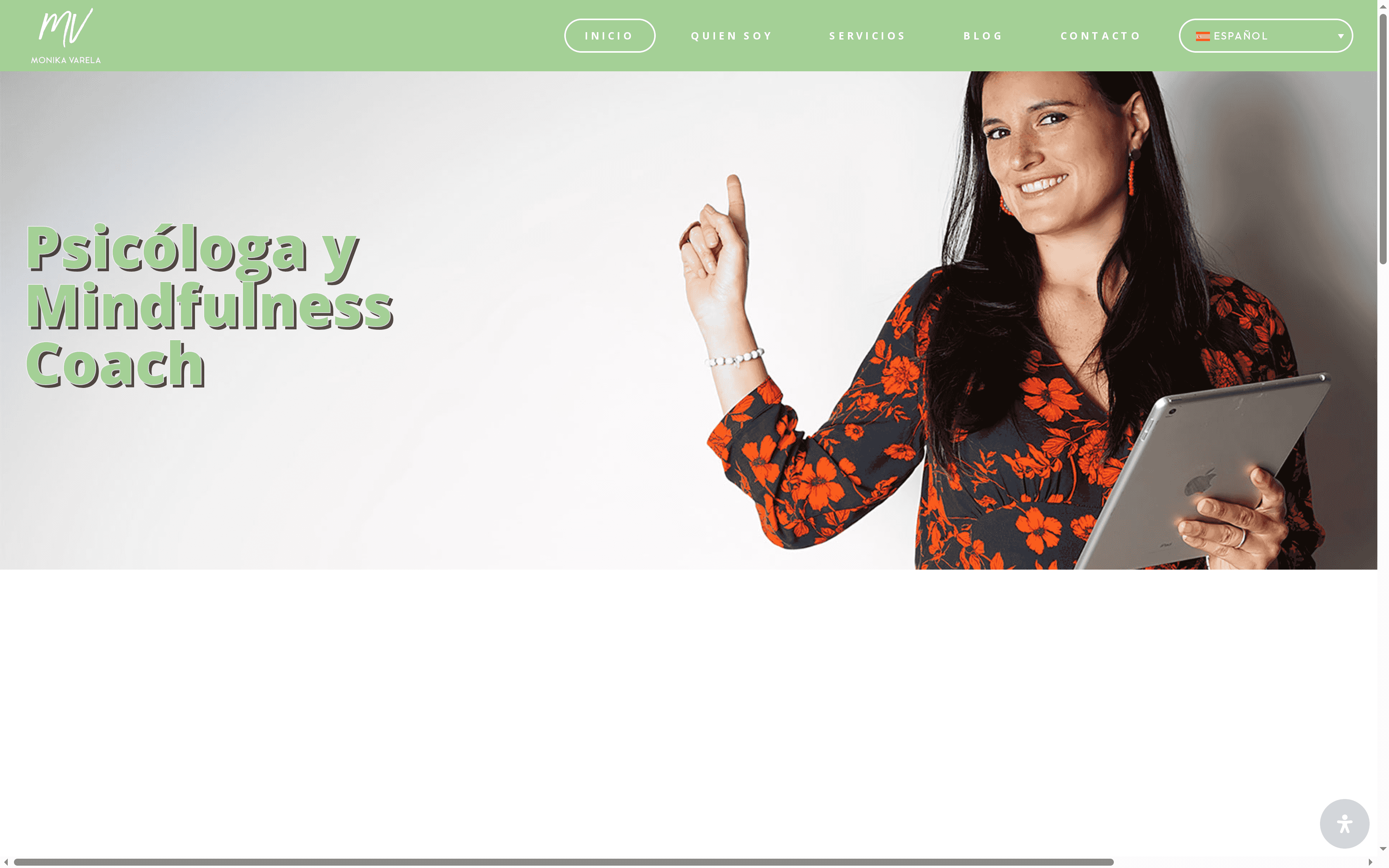
Explore how Monika Varela’s psychotherapy and mindfulness coaching can help you recognize and regulate emotions, give and receive constructive feedback, and build trust through honest communication. Don’t wait for stress or conflict to dictate your outcome. Visit Monika Varela’s website now to book a personalized session or discover tailored corporate training options. Your emotional intelligence journey starts with a single step — take it today and empower yourself for lasting transformation.
Frequently Asked Questions
What are some examples of emotional intelligence in action?
Emotional intelligence can be demonstrated in various scenarios, such as recognizing and naming your own emotions during a stressful meeting, or actively listening to a colleague’s concerns without interrupting. To apply this, start by observing your feelings in everyday situations and practice reflecting them back in conversations.
How can I improve my emotional intelligence skills?
Improving emotional intelligence involves practicing self-awareness, active listening, and empathy. Begin by keeping a journal to track your emotions and reflect on your interactions with others at least once a week.
What techniques can I use to manage stress with emotional intelligence?
To manage stress effectively, practice techniques like deep breathing and reframing negative thoughts into challenges. Commit to using these strategies during stressful situations and monitor your responses over the next month to see improvements.
How can I create a safe environment for giving and receiving feedback?
Creating a safe feedback environment involves using specific language, expressing genuine care, and avoiding defensive reactions. Set the stage by clearly outlining the purpose of feedback conversations and ensuring both parties feel comfortable sharing their thoughts.
What steps can I take to navigate conflict with emotional intelligence?
Navigating conflict effectively requires separating the person from the problem and validating emotions. Practice by addressing conflicts directly and empathetically and aim to focus on common goals, allowing space for constructive dialogue.
How does motivation relate to emotional intelligence?
Motivation is supported by emotional intelligence through self-awareness and the ability to recognize both personal and others’ emotional states. To foster motivation, set clear goals and celebrate small achievements, adjusting your approach as needed to maintain enthusiasm.
Recommended
- Role of Emotional Intelligence in Speaking Explained – Mónika Varela
- Top Communication Skills Platforms – Expert Comparison 2025 – Mónika Varela
- Best 7 Mindfulness Tools for Professionals – Expert Comparison 2025 – Mónika Varela
- Top 6 Communication Skills Coaching Tools – Expert Comparison 2025 – Mónika Varela






Aún no hay comentarios, ¡añada su voz abajo!