


Most American adults do not realize that emotional wellness impacts nearly every aspect of daily life, from relationships to work performance. Almost 60 percent of Americans report that emotional stress affects their health each year. Understanding what emotional wellness truly means, and separating fact from myth, matters more now than ever. This guide uncovers what emotional well-being involves and reveals practical ways to build real emotional strength in a modern American context.
Table of Contents
- Defining Emotional Wellness and Common Myths
- Core Elements of Emotional Wellness Health
- Impact on Work, Relationships, and Performance
- Risks of Neglecting Emotional Well-Being
- Proven Strategies for Emotional Wellness Growth
Key Takeaways
| Point | Details |
|---|---|
| Emotional Wellness Definition | Emotional wellness involves recognizing, processing, and managing emotions, not merely achieving constant happiness. |
| Common Myths | Myths such as emotional wellness equating to perpetual happiness or being strong enough to avoid negative feelings undermine true understanding. |
| Core Components | Key elements of emotional wellness include self-awareness, emotional regulation, and resilience, which are essential for personal growth and effective relationships. |
| Impact on Life | Strong emotional wellness enhances workplace performance and personal relationships by improving communication, collaboration, and empathy. |
Defining Emotional Wellness and Common Myths
Emotional wellness is far more nuanced than most people understand. At its core, it represents our ability to recognize, process, and manage emotions effectively across life’s complex landscape. The Centers for Disease Control and Prevention defines emotional well-being as the capacity to handle emotions constructively while maintaining a meaningful sense of purpose and building supportive relationships.
Contrary to popular belief, emotional wellness is not about achieving constant happiness or eliminating negative feelings. Emotional intelligence actually involves acknowledging the full spectrum of human emotions – from joy and excitement to sadness and frustration. The National Institutes of Health emphasizes that true emotional wellness means successfully navigating life’s stresses and adapting to changes with resilience and self-awareness.
Several persistent myths undermine our understanding of emotional health. Common misconceptions include:
- Emotional wellness means being happy all the time
- Strong people never experience negative emotions
- Expressing vulnerability is a sign of weakness
- Emotional health is fixed and cannot be improved
In reality, emotional wellness is a dynamic skill that can be developed through intentional practice. It requires courage to confront uncomfortable feelings, communicate authentically, and continually grow. By challenging these myths, individuals can embrace a more holistic approach to emotional well-being that honors the complexity of human experience.
Developing emotional wellness is not about perfection. It’s about progress, self-compassion, and learning to navigate life’s challenges with increasing skill and understanding. Each emotional experience offers an opportunity for deeper self-knowledge and personal growth.
Core Elements of Emotional Wellness Health
Emotional wellness is a complex and dynamic process that requires intentional development and practice. The University of North Dakota highlights several core elements that form the foundation of robust emotional health, including self-awareness, emotional regulation, and resilience. These interconnected skills enable individuals to understand, process, and navigate their inner emotional landscape with greater effectiveness.
The University of North Texas further emphasizes that emotional wellness involves more than just managing negative feelings. It encompasses the ability to experience and express the full spectrum of human emotions in a balanced and healthy manner. Self-awareness serves as the critical first step, allowing individuals to recognize and understand their emotional patterns, triggers, and underlying motivations.
Key components of emotional wellness include:
- Emotional Regulation: The capacity to manage and respond to emotional experiences constructively
- Self-Awareness: Understanding personal emotional states and their root causes
- Resilience: The ability to bounce back from challenges and adapt to changing circumstances
- Authentic Expression: Communicating emotions honestly and appropriately
- Empathy: Recognizing and understanding the emotional experiences of others
Emotional wellness is not a destination but a continuous journey of growth and self-discovery. By developing these core elements, individuals can build greater emotional intelligence, improve their relationships, and create more meaningful connections with themselves and others. The process requires patience, practice, and a commitment to personal development.
Impact on Work, Relationships, and Performance
The Centers for Disease Control and Prevention reveals that emotional wellness profoundly influences every aspect of human performance, from professional productivity to personal relationships. Individuals with strong emotional intelligence can manage thoughts and feelings more effectively, leading to enhanced workplace interactions and significantly improved job performance. This interconnected system of emotional management creates a ripple effect that touches multiple domains of life.
Emotional wellness is not just an individual benefit but a critical factor in organizational and interpersonal dynamics. The National Institutes of Health emphasizes that managing stress and adapting to challenges are fundamental to maintaining positive interactions and sustained productivity. When people develop robust emotional skills, they become more resilient, communicative, and capable of navigating complex social and professional environments.
The multifaceted impact of emotional wellness manifests in several key areas:
-
Workplace Performance
- Increased problem-solving capabilities
- Better team collaboration
- Reduced workplace conflicts
- Higher levels of creativity and innovation
-
Personal Relationships
- More authentic and deep connections
- Improved communication skills
- Greater empathy and understanding
- Enhanced conflict resolution abilities
Ultimately, emotional wellness acts as a powerful catalyst for personal growth and professional success. It transforms how individuals perceive challenges, interact with others, and navigate life’s complex emotional landscapes. By investing in emotional intelligence, people can unlock their full potential, create more meaningful relationships, and develop a more balanced, resilient approach to life’s inevitable ups and downs.
Risks of Neglecting Emotional Well-Being
The Centers for Disease Control and Prevention warns that ignoring emotional wellness can trigger a cascade of detrimental consequences affecting multiple dimensions of human health and functioning. Neglecting emotional well-being is not merely an abstract concept, but a profound risk that can compromise an individual’s social connections, professional performance, and overall quality of life. The consequences extend far beyond temporary discomfort, potentially creating long-term challenges in personal and professional domains.

The National Institutes of Health emphasizes that chronic emotional neglect can lead to severe physiological and psychological repercussions. Unmanaged stress and emotional suppression activate the body’s fight-or-flight response, triggering sustained hormonal imbalances that can compromise immune function, cardiovascular health, and mental resilience. This systemic breakdown demonstrates how deeply interconnected our emotional state is with our overall well-being.
The potential risks of neglecting emotional wellness include:
-
Physical Health Complications
- Increased susceptibility to chronic diseases
- Compromised immune system functioning
- Higher risk of cardiovascular problems
- Disrupted hormonal balance
-
Mental Health Challenges
- Elevated risk of anxiety and depression
- Reduced stress management capabilities
- Impaired cognitive functioning
- Decreased emotional regulation
Ultimately, emotional wellness is not a luxury but a fundamental requirement for sustainable personal and professional development. By recognizing and addressing emotional needs proactively, individuals can interrupt destructive patterns, build resilience, and create a foundation for holistic health that supports long-term thriving across all life domains.
Proven Strategies for Emotional Wellness Growth
The National Institutes of Health outlines comprehensive approaches for developing emotional resilience and well-being. Emotional wellness growth is not a passive process but an active, intentional journey of self-discovery and skill development. By implementing strategic practices, individuals can systematically enhance their emotional intelligence, transform their response to challenges, and create more meaningful personal and professional experiences.
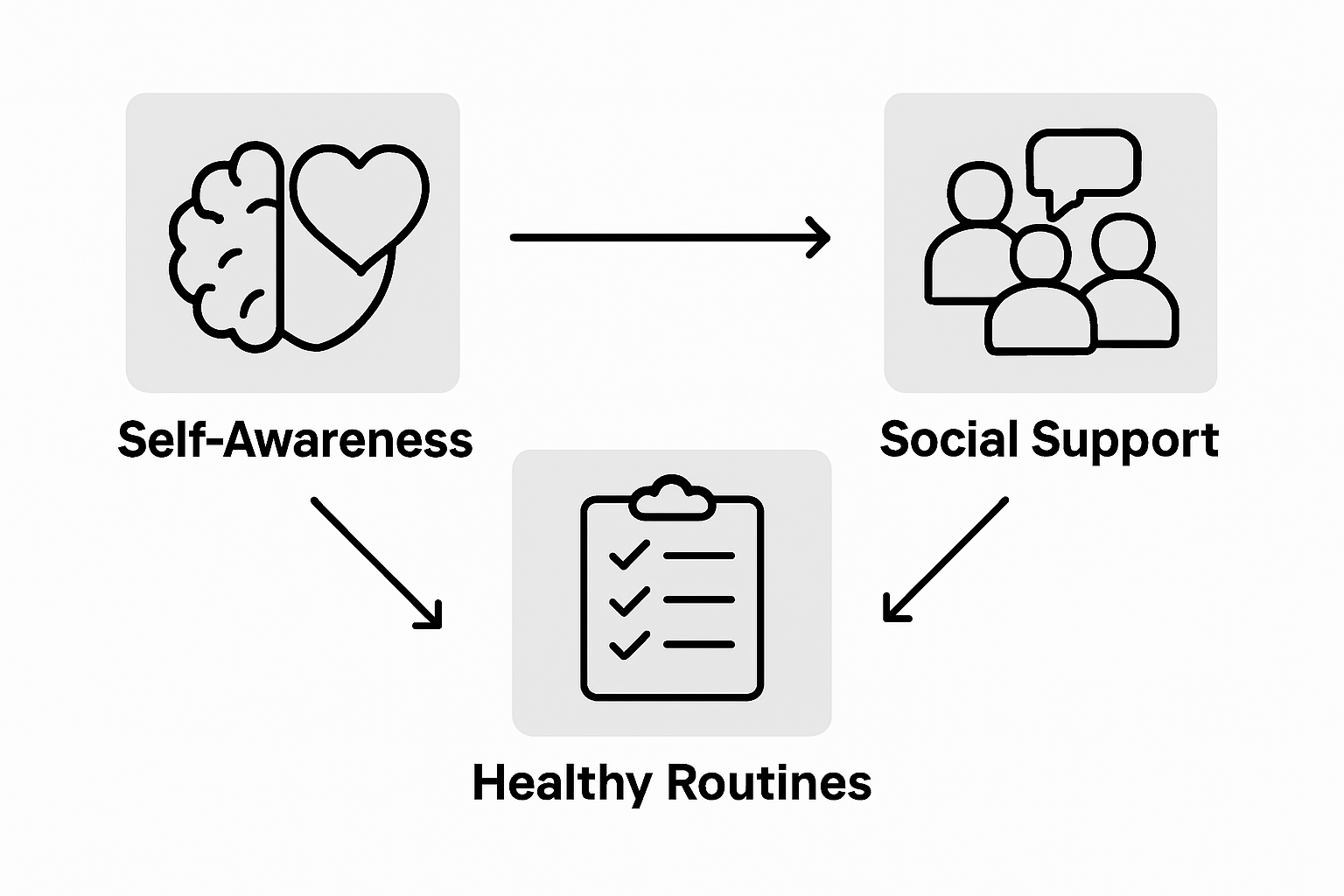
The Centers for Disease Control and Prevention recommends a holistic approach to emotional wellness that integrates multiple dimensions of personal development. Effective strategies go beyond simple coping mechanisms, focusing instead on building robust psychological infrastructure that can withstand life’s inevitable complexities. This approach requires consistent practice, self-reflection, and a commitment to personal growth.
Key strategies for emotional wellness growth include:
-
Self-Awareness Practices
- Daily mindfulness meditation
- Journaling emotional experiences
- Regular self-reflection exercises
- Psychological assessment and feedback
-
Emotional Regulation Techniques
- Cognitive reframing of challenging situations
- Deep breathing and relaxation methods
- Stress management workshops
- Professional counseling or therapy
Ultimately, emotional wellness is a dynamic skill that can be cultivated with intentional effort and the right strategies. By approaching personal growth as a continuous learning process, individuals can develop greater emotional flexibility, resilience, and a deeper understanding of themselves and their interactions with the world.
Unlock Your Emotional Wellness with Expert Guidance
Emotional wellness is not just about fleeting happiness but understanding and managing a full range of feelings to thrive personally and professionally. If you find yourself challenged by emotional regulation, resilience, or authentic expression, you are not alone. These skills are essential for transforming stress, boosting relationships, and improving overall performance as highlighted in the article. At Monikavarela.com, Monika Varela offers tailored psychotherapy and mindfulness coaching designed specifically to develop these core elements of emotional wellness in a supportive and accessible environment.
Take the first step toward mastering your emotional well-being today. Explore personalized therapeutic support, mindfulness workshops, and communication skills training that empower you to break through emotional barriers. Visit Monikavarela.com now to book your session or learn more about how emotional intelligence can reshape your life for the better. Dont wait to build resilience and authenticity when the path to emotional balance is a click away.
Frequently Asked Questions
What is emotional wellness?
Emotional wellness refers to the ability to recognize, process, and manage emotions effectively, while also maintaining meaningful relationships and a sense of purpose in life.
Why is emotional wellness important?
Emotional wellness is crucial as it affects every aspect of life, including personal relationships and workplace performance. It helps individuals manage stress, improve communication, and foster resilience.
What are some myths about emotional wellness?
Common myths include the belief that emotional wellness means being happy all the time, that strong individuals never experience negative emotions, and that emotional health is fixed and cannot be improved.
How can I improve my emotional wellness?
Improving emotional wellness involves developing self-awareness, practicing emotional regulation techniques, and engaging in self-reflection. Strategies such as mindfulness meditation, journaling, and professional counseling can be beneficial.






Aún no hay comentarios, ¡añada su voz abajo!