


Every American encounters moments when emotions seem impossible to name or control. In fact, research reveals that humans can feel as many as 87 distinct emotions, far beyond the handful most people recognize. Strengthening emotional intelligence can change the quality of your relationships, work, and daily life. Learn practical ways to recognize your feelings, manage stress, and support genuine connections for a healthy approach to emotional well-being.
Table of Contents
- Recognize and Name Your Emotions Clearly
- Practice Mindful Self-Awareness Daily
- Manage Stress With Simple Breathing Techniques
- Develop Empathy By Active Listening
- Respond, Don’t React During Conflict
- Strengthen Relationships Through Honest Feedback
- Set Healthy Boundaries To Support Wellbeing
Quick Summary
| Takeaway | Explanation |
|---|---|
| 1. Recognize Your Emotions Clearly | Accurately naming your emotions helps transform overwhelming feelings into manageable, understandable ones, enhancing self-awareness and communication. |
| 2. Practice Mindful Self-Awareness | Regular mindfulness practices cultivate emotional understanding, improving your ability to recognize and manage emotions at work and home. |
| 3. Use Breathing Techniques for Stress | Simple breathing exercises like the 4-7-8 technique can help you manage stress immediately, enhancing emotional resilience and clarity. |
| 4. Engage in Active Listening | Actively listening without judgment fosters deeper connections and understanding, improving personal and professional relationships. |
| 5. Set Healthy Boundaries | Establishing clear personal limits promotes emotional well-being and prevents burnout, allowing for more authentic relationships. |
1. Recognize and Name Your Emotions Clearly
Emotional intelligence starts with a fundamental skill: accurately identifying and naming what you are feeling. Recognizing your emotions is like learning a new language your inner self speaks.
Research by Brene Brown reveals that humans experience 87 distinct emotions , far more complex than the basic happiness, sadness, or anger we typically recognize. When you can precisely name an emotion, you transform an overwhelming feeling into something manageable and understandable.
Scientific studies show a powerful connection between emotional awareness and interpersonal effectiveness. By developing your ability to recognize emotions through facial expressions and internal sensations, you create a pathway to better self-understanding and communication.
To start practicing emotion recognition, try keeping an emotion journal. Write down what you are feeling several times a day, challenging yourself to move beyond generic labels. Instead of writing “I feel bad,” dig deeper: Are you frustrated? Disappointed? Anxious? Overwhelmed?
Pro tip: Create an emotion vocabulary list on your phone or in a notebook. Include nuanced emotion descriptions like “melancholy,” “restless,” or “uncertain” to expand your emotional literacy and help you more accurately name your internal experiences.
Mastering emotion recognition is not just about self awareness. Research indicates emotional intelligence directly correlates with recognizing complex facial expressions , which can significantly improve your professional and personal interactions.
2. Practice Mindful Self-Awareness Daily
Mindful self-awareness is the foundation of emotional intelligence, allowing you to understand your inner landscape with clarity and compassion. Think of it as creating an internal GPS that helps you navigate your emotional terrain more effectively.
Research demonstrates a significant connection between mindfulness and emotional intelligence , showing that regular mindfulness practices can dramatically improve your ability to recognize and manage emotions. Professionals who cultivate mindfulness develop a heightened sense of emotional understanding that translates directly into better workplace interactions and personal relationships.
Practicing mindful self-awareness involves creating intentional moments of reflection throughout your day. Start with short five minute meditation sessions where you focus on your breath and observe your thoughts without judgment. Notice how emotions arise and pass, understanding that you are not your emotions but the awareness experiencing them.
One powerful technique is the body scan meditation. Sit comfortably and systematically move your attention through different body parts, observing sensations and any accompanying emotions. This practice helps you develop a deeper connection between physical sensations and emotional states.
A systematic review revealed that mindfulness meditation effectively increases emotional intelligence among professionals , leading to improved mental health and job satisfaction. By dedicating just a few minutes daily to mindful practices, you can transform your emotional resilience and interpersonal effectiveness.
Pro tip: Set a daily reminder on your phone for a two minute mindfulness check-in. During this time, pause and ask yourself: “What am I feeling right now?” Breathe deeply and observe your emotional state without attempting to change it.
3. Manage Stress with Simple Breathing Techniques
Breathing is your body’s built-in stress management tool, a powerful technique that can transform your emotional landscape within minutes. When stress strikes, your breath becomes a secret weapon for emotional regulation.
Research demonstrates that mindfulness breathing practices significantly enhance emotional intelligence by helping professionals manage their stress responses more effectively. Your breath acts as a bridge between your nervous system and emotional state, offering an immediate pathway to calm and clarity.
The 4-7-8 breathing technique provides a simple yet profound method for stress reduction. Begin by inhaling quietly through your nose for four seconds, hold that breath for seven seconds, then exhale completely through your mouth for eight seconds. This deliberate breathing pattern interrupts your body’s stress response and activates your parasympathetic nervous system.
Scientific studies confirmed that focused breathing can improve subjective well-being by reducing physiological markers of stress. Regular practice helps you develop emotional resilience, allowing you to respond to challenging situations with greater composure and awareness.
Integrate breathing exercises into your daily routine by specific setting triggers. Practice during your morning coffee, before important meetings, or during your commute. Consistency transforms these techniques from occasional stress relief to a fundamental emotional regulation skill.
Pro tip: Download a free breathing app or set a phone reminder to practice deep breathing for three minutes twice daily. Consistency matters more than perfection when building this emotional intelligence skill.
4. Develop Empathy by Active Listening
Active listening is the cornerstone of genuine human connection, transforming ordinary conversations into meaningful exchanges that build deep understanding. It goes far beyond simply hearing words by creating a space of genuine emotional comprehension.
Research demonstrates that leaders with high empathy skills can build more cohesive and motivated teams , highlighting the profound professional impact of truly listening. Active listening involves completely focusing on the speaker, suspending judgment, and understanding their perspective without immediately preparing your response.
To practice active listening, start by giving the speaker your full attention. Put away electronic devices, maintain open body language, and make appropriate eye contact. Instead of planning your next statement, concentrate on understanding the complete message being communicated.
Use reflective techniques to show you are genuinely hearing the other person. Periodically summarize what you have heard by saying things like “What I hear you saying is…” or “It sounds like you are feeling…” This approach validates the speaker’s experience and ensures accurate understanding.
Systematic reviews suggest emotional intelligence skills like empathetic listening positively correlate with achievement , indicating that this skill is not just about being kind but also about improving overall performance and communication.
Pro tip: Practice the 80-20 rule in conversations. Spend 80 percent of the time listening and only 20 percent speaking, allowing the other person to fully express themselves without interruption.
5. Respond, Don’t React During Conflict
Conflict is an inevitable part of human interactions, but your response can transform a potential disaster into an opportunity for understanding and growth. The critical difference between reacting and responding lies in emotional intelligence and self awareness.
Reacting is an immediate, often impulsive emotional outburst driven by triggered feelings. Responding, however, involves a thoughtful pause that allows you to process the situation with clarity and compassion. When you react, you let your emotions control the interaction. When you respond, you control your emotions.
To develop a responsive approach during conflict, practice the pause technique. When you feel tension rising, take a deep breath and create a mental space between the triggering event and your reply. This momentary pause allows your rational brain to engage, preventing knee jerk emotional reactions that can escalate conflicts.
Important response strategies include active listening, validating the other person’s feelings, and expressing your perspective without blame. Use “I” statements that communicate your experience without attacking the other person. For example, instead of saying “You always ignore me,” try “I feel unheard when our conversations seem one sided.”
Consider conflict as an opportunity for mutual understanding rather than a battle to be won. Approach difficult conversations with curiosity about the other person’s perspective. Ask open ended questions that invite dialogue and demonstrate your genuine interest in resolving the situation constructively.
Pro tip: Before responding in a tense situation, ask yourself three quick questions: “Am I calm enough to be fair?” “What is the real issue here?” “What outcome do I genuinely want?”
6. Strengthen Relationships Through Honest Feedback
Honest feedback is the cornerstone of meaningful professional and personal relationships, creating pathways for growth, understanding, and mutual respect. It transforms communication from surface level interactions to deep, transformative exchanges.
Research reveals that leaders with high emotional intelligence effectively build cohesive teams through constructive feedback, demonstrating that honest communication is not just a skill but a strategic approach to relationship building.
The art of providing honest feedback requires a delicate balance between candor and compassion. Begin by creating a safe emotional environment where the recipient feels valued and understood. Start with positive observations, acknowledging their strengths before addressing areas for improvement.
Use the sandwich method when delivering feedback: start with a genuine positive statement, introduce the area needing improvement, and conclude with encouragement and support. This approach helps the recipient feel respected and motivated rather than defensive.
Studies among software engineering teams suggest that emotional intelligence drives effective feedback strategies, showing that how you communicate is often more important than what you actually say. Your tone, body language, and underlying intention significantly impact how feedback is received.
Practice active listening during feedback conversations. Allow the other person space to respond, ask clarifying questions, and demonstrate that you are genuinely interested in their perspective. Feedback is a two way dialogue, not a one sided critique.
Pro tip: Before delivering feedback, ask yourself if your intention is to help the person grow or to make yourself feel better. Authentic feedback comes from a place of genuine care and support.
7. Set Healthy Boundaries to Support Wellbeing
Healthy boundaries are the invisible lines that protect your emotional energy, defining where you end and others begin. They are the fundamental guardrails that preserve your mental health and personal integrity.
Research demonstrates that emotional intelligence skills like setting boundaries significantly impact personal performance, showing that knowing when and how to say no is not selfish but essential for sustainable personal and professional growth.
Boundaries are not walls that isolate you but bridges that help you connect more authentically. They communicate your needs clearly, preventing resentment and burnout. Start by identifying your personal limits in different areas like work, relationships, and personal time.
Learn to communicate your boundaries with clarity and kindness. Use direct statements that are respectful yet firm. For example, “I appreciate the opportunity, but I cannot take on additional projects right now” or “I am available for work discussions during business hours.”
Systematic reviews confirm that emotional intelligence correlates with improved achievement and well being, underscoring the importance of understanding and maintaining personal boundaries. Your ability to establish clear limits directly influences your overall life satisfaction.
Begin with small, manageable boundary setting. Practice saying no to minor requests that drain your energy. Recognize that every time you honor your own needs, you are strengthening your emotional intelligence and self respect.
Pro tip: Create a personal boundary script for challenging situations. Write down clear, concise statements that help you communicate your limits without apologizing or over explaining.
Below is a comprehensive table summarizing the key strategies to enhance emotional intelligence and interpersonal effectiveness discussed throughout the article.
| Strategy | Implementation | Expected Results |
|---|---|---|
| Recognize Emotions | Keep an emotion journal, use a detailed vocabulary. | Improved self-awareness and emotional management. |
| Practice Mindful Self-Awareness | Engage in daily meditation, perform body scan exercises. | Heightened emotional understanding and improved relationships. |
| Manage Stress | Use 4-7-8 breathing technique, integrate breathing exercises into routine. | Enhanced emotional regulation and stress management. |
| Develop Empathy | Practice active listening, use reflective techniques. | Stronger connections and improved team cohesion. |
| Respond, Don’t React | Practice pausing during conflict, use “I” statements. | Better conflict resolution and understanding. |
| Strengthen Relationships | Deliver feedback using the sandwich method, focus on active listening. | Constructive communication and improved relationships. |
| Set Healthy Boundaries | Communicate limits clearly, practice saying no. | Reduced burnout and increased personal satisfaction. |
Elevate Your Emotional Intelligence with Expert Guidance
Emotional intelligence is the key to navigating complex workplace challenges like stress management, active listening, and conflict resolution. If you want to move beyond simply recognizing your emotions to mastering techniques like mindful self-awareness and honest feedback, expert support can make all the difference. Monika Varela offers personalized psychotherapy and mindfulness coaching designed to strengthen these crucial skills for professional success and personal wellbeing.
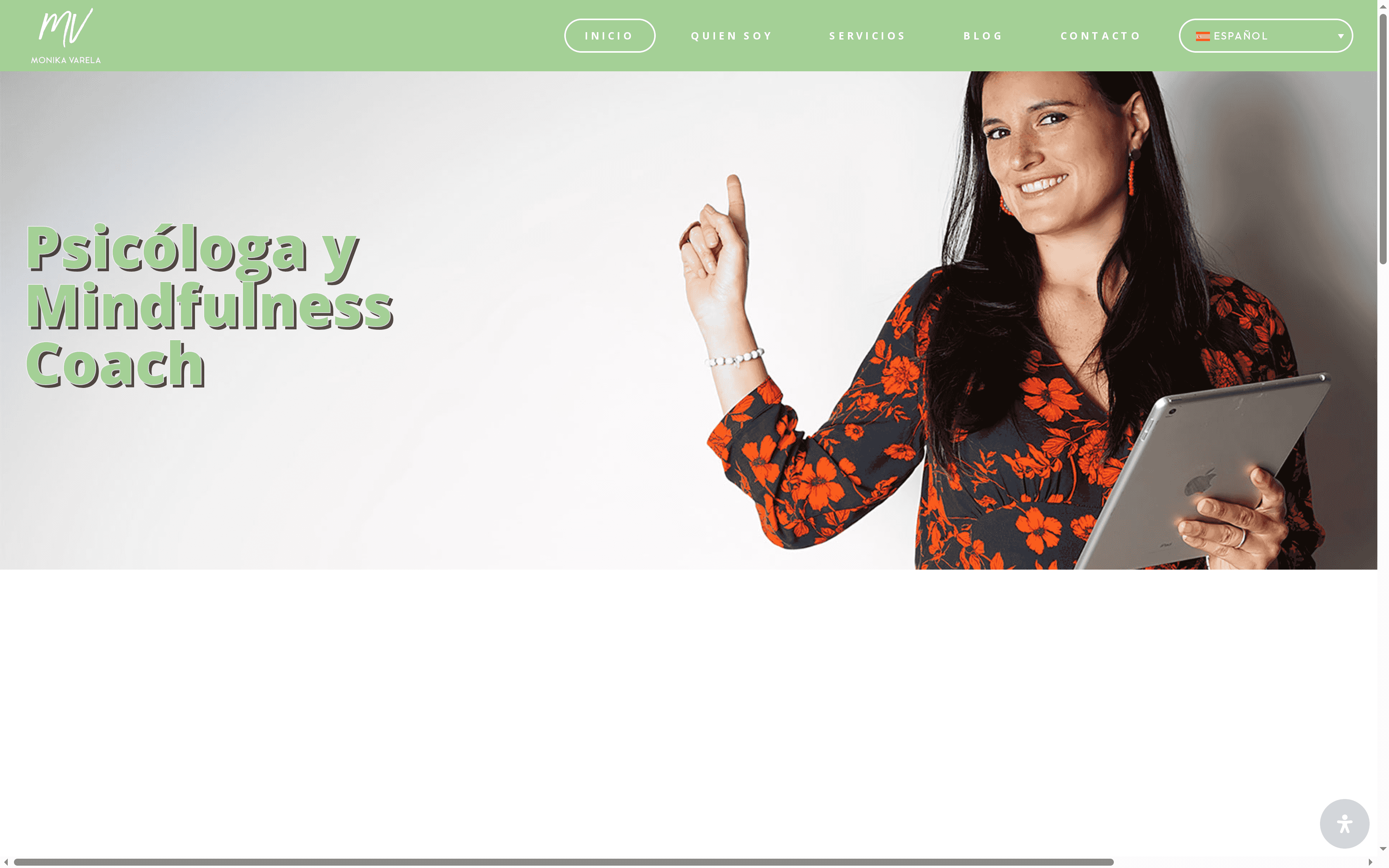
Discover how a tailored approach to mindfulness and emotional intelligence training can empower you to respond thoughtfully during conflict, set healthy boundaries, and deepen workplace relationships. Visit Monika Varela’s website today to explore her therapeutic and training services and book a session that will transform your approach to emotional challenges. Take the step to unlock your full professional potential now.
Frequently Asked Questions
How can I start recognizing and naming my emotions effectively?
To recognize and name your emotions effectively, keep an emotion journal where you write down your feelings several times a day. Challenge yourself to use specific words instead of generic labels; for example, instead of writing “I feel bad,” try to identify whether you feel frustrated, disappointed, or anxious.
What mindfulness practices can I incorporate into my daily routine to enhance emotional intelligence?
To enhance your emotional intelligence, integrate mindful self-awareness practices like daily meditation or body scan exercises. Set aside just five minutes each day to focus on your breath and observe your thoughts, which can significantly improve how you recognize and manage your emotions over time.
What are some effective breathing techniques for managing stress in the workplace?
One effective breathing technique is the 4-7-8 method: inhale for four seconds, hold for seven seconds, and exhale for eight seconds. Practice this for three minutes twice a day to help reduce your stress levels and improve your emotional regulation during high-pressure situations.
How can I practice active listening to develop empathy?
To practice active listening, give the speaker your full attention, maintain eye contact, and refrain from interrupting. Use reflective statements like “What I hear you saying is…” to ensure you understand their message, creating a more empathetic connection during conversations.
What strategies can I use to respond rather than react in conflicts?
To respond thoughtfully in conflicts, practice the pause technique by taking a deep breath before replying. This brief moment of reflection can help you process the situation calmly and express your feelings using “I” statements to communicate effectively and constructively.
How do I set healthy boundaries to support my well-being at work?
You can set healthy boundaries by clearly identifying your limits regarding work demands and communication after hours. Start by communicating your boundaries respectfully; For example, say, “I cannot take on additional projects right now,” to protect your mental health and maintain a balanced workload.
Recommended
- 7 Inspiring Examples of Emotional Intelligence in Action – Mónika Varela
- Role of Emotional Intelligence in Speaking Explained – Mónika Varela
- Why Emotional Wellness Matters for Thriving Lives – Mónika Varela
- Best 7 Mindfulness Tools for Professionals – Expert Comparison 2025 – Mónika Varela
- 7 Emotional Triggers for Overeating and How to Stop Them – LeanAndFit
- How to Have Difficult Conversations About Estate Planning with Family – Law Office of Eric Ridley






Aún no hay comentarios, ¡añada su voz abajo!