


Nearly one in three adults struggles with chronic stress, yet simple mindfulness practices can offer immediate relief. Small changes in your daily routine hold the power to calm your mind, boost focus, and ease tension. With proven methods from mindful breathing to compassionate self-reflection, you can access tools that help restore emotional balance and resilience right when you need them most.
Table of Contents
- Mindful Breathing For Instant Calm
- Body Scan Technique To Release Tension
- Mindful Listening To Improve Communication
- Guided Imagery For Relaxation And Balance
- Walking Meditation For Active Awareness
- Noting Thoughts And Emotions Without Judgment
- Loving-Kindness Meditation For Self-Compassion
Quick Summary
| Takeaway | Explanation |
|---|---|
| 1. Practice mindful breathing for immediate calm. | Mindful breathing helps activate the parasympathetic nervous system, promoting relaxation and reducing stress hormones. Start with just two minutes daily. |
| 2. Use the body scan technique for tension release. | This method enhances bodily awareness, helping you identify and relax areas of tension. Start with five-minute sessions and increase gradually. |
| 3. Engage in mindful listening to improve communication. | Mindful listening involves fully focusing on the speaker, enhancing understanding and empathy, which can strengthen personal and professional relationships. |
| 4. Incorporate guided imagery for mental relaxation. | Guided imagery helps create calming mental scenes that trigger physiological relaxation. Use this visualization technique to reduce stress and enhance emotional balance. |
| 5. Regularly practice loving-kindness meditation for self-compassion. | This meditation cultivates self-acceptance and warmth towards oneself. Start with five-minute sessions to rewire your brain for emotional resilience. |
1. Mindful Breathing for Instant Calm
Breathing might seem like the most automatic action we perform yet it holds incredible power to transform our mental state within moments. Mindful breathing is your personal reset button for stress and emotional turbulence.
Rooted in ancient meditation practices like the Ānāpānasati Sutta, mindful breathing is more than just inhaling and exhaling. According to traditional Buddhist teachings, it represents a structured approach to cultivating awareness and inner calm. The technique involves consciously observing your breath without attempting to control or modify it.
When you practice mindful breathing, something remarkable happens in your nervous system. Your parasympathetic nervous system activates, signaling your body to relax. Stress hormones like cortisol decrease while feel good neurotransmitters increase. The result? Instant emotional regulation and mental clarity.
How to Practice Mindful Breathing:
- Find a comfortable seated position
- Close your eyes or soften your gaze
- Place one hand on your abdomen
- Breathe naturally and observe the rise and fall of your belly
- When thoughts drift, gently return focus to your breath
Start with just two minutes daily. Consistency matters more than duration. Your brain will gradually rewire itself to respond to stress more effectively. This simple practice can reduce anxiety, improve concentration, and create a sense of inner peace that radiates through every aspect of your life.
2. Body Scan Technique to Release Tension
Unlock the secret language of your body through a powerful mindfulness practice that transforms physical tension into profound relaxation. The Body Scan technique is your personal roadmap to understanding and releasing hidden stress stored within your muscles and tissues.
Research from stress management experts reveals that systematic bodily awareness can dramatically reduce physical and mental strain. According to clinical studies, the Body Scan is a structured process that guides you through a methodical exploration of bodily sensations, helping you identify and consciously release areas of accumulated tension.
When you practice the Body Scan, you essentially become a detective of your own physical experience. Your attention acts like a healing spotlight, illuminating regions of discomfort and allowing your nervous system to naturally unwind. This technique works by shifting from automatic stress responses to intentional relaxation through mindful observation.
Practical Body Scan Steps:
- Find a quiet comfortable space
- Lie down or sit in a relaxed position
- Start at your toes and slowly move attention upward
- Notice sensations without judgment
- Breathe gently into areas of tension
- Visualize stress melting away
Begin with short 5 minute sessions and gradually increase duration. The magic happens when you approach your body with curiosity and compassion. Regular practice can reduce chronic pain, lower anxiety levels, and create a profound sense of bodily awareness that supports overall well being.
3. Mindful Listening to Improve Communication
Communication is an art that goes far beyond simply hearing words. Mindful listening transforms conversations from mere exchanges into profound connections that build trust and understanding.
Research in communication psychology highlights that mindful listening involves complete presence and genuine engagement. According to psychological studies, this technique requires more than passive hearing it demands active concentration on the speaker’s verbal and nonverbal messages. By fully immersing yourself in the moment, you create a space of psychological safety where authentic dialogue can flourish.
The neurological impact of mindful listening is remarkable. When you listen without preparing your response or judging the speaker, your brain shifts from reactive to receptive mode. This allows you to process information more deeply, understand emotional nuances, and respond with greater empathy and insight.
Key Strategies for Mindful Listening:
- Put away digital devices
- Maintain gentle eye contact
- Listen without interrupting
- Notice the speaker’s body language
- Pause before responding
- Reflect back what you heard
Practicing mindful listening is like developing a superpower for human connection. It requires patience and intentional practice. Start with short conversations and gradually expand your capacity to be fully present. You will notice remarkable improvements in your personal and professional relationships as you master the art of truly hearing others.
4. Guided Imagery for Relaxation and Balance
Imagination is not just child’s play it is a powerful tool for transforming your mental landscape and emotional well being. Guided imagery serves as a mental sanctuary where stress dissolves and inner peace flourishes.
Psychological research reveals that guided imagery is far more than simple daydreaming. According to stress management studies, this technique allows your brain to create vivid mental landscapes that trigger genuine physiological relaxation responses. When you visualize serene environments, your nervous system responds as if you were actually experiencing that peaceful scenario.
The neurological magic of guided imagery happens through complex mind body connections. Your brain cannot always distinguish between a richly imagined experience and a real one. By intentionally crafting calm mental scenes, you activate relaxation pathways that reduce cortisol levels, lower blood pressure, and promote emotional regulation.
Steps to Practice Guided Imagery:
- Find a quiet comfortable space
- Close your eyes and take deep breaths
- Select a calming mental scene forest beach mountain
- Engage all your senses in the visualization
- Notice details like temperature texture sounds
- Allow yourself to fully immerse in the experience
Start with short 5 minute sessions and gradually expand your practice. Each visualization is a personal journey of healing and restoration. You are essentially reprogramming your stress response one peaceful mental image at a time. The more you practice, the more effectively you can use this powerful technique to navigate lifes challenges with grace and calm.
5. Walking Meditation for Active Awareness
Mindfulness doesnt always mean sitting still. Walking meditation transforms an ordinary daily activity into a powerful practice of presence and self awareness. It is meditation in motion that connects your body, mind, and environment.
Rooted in ancient Buddhist traditions like the Ānāpānasati Sutta, walking meditation offers a dynamic approach to mindfulness. Unlike traditional seated meditation, this practice invites you to bring full consciousness to the physical experience of walking. Each step becomes an opportunity to anchor yourself in the present moment.
Your nervous system responds differently during walking meditation. As you synchronize breath with movement, you activate a unique state of alert relaxation. Physiologically, this practice reduces stress hormones, improves cognitive function, and creates a sense of embodied calm that extends beyond the walking experience.
Walking Meditation Technique:
- Choose a quiet path or indoor space
- Walk at a slow natural pace
- Focus attention on the sensation of walking
- Notice foot lifting contact with ground release
- Breathe naturally and rhythmically
- Gently return focus when mind wanders
Begin with short 5 to 10 minute sessions. You can practice anywhere parks sidewalks hallways. The magic happens when you transform walking from an automatic function into a mindful journey. With consistent practice, youll develop a profound ability to stay grounded and present in every step of your life.
6. Noting Thoughts and Emotions Without Judgment
Your mind is not your master. Learning to observe your thoughts and emotions without getting tangled in them is a revolutionary act of personal freedom. Noting is the art of witnessing your inner landscape with curiosity and compassion.
According to insights from the Ānāpānasati Sutta, observing mental events without judgment creates profound psychological transformation. This practice allows you to create space between your thoughts and your reaction to them. Instead of being swept away by emotional currents, you become an empowered observer who can choose how to respond.
Neurologically, this technique interrupts automatic stress patterns. When you learn to note thoughts without attaching to them, you activate your prefrontal cortex the part of your brain responsible for rational decision making. This reduces emotional reactivity and increases emotional intelligence. Essentially, you are training your brain to respond rather than reflexively react.
How to Practice Noting:
- Sit comfortably with closed eyes
- Observe thoughts as they arise
- Label thoughts gently without criticism
- Example: “Planning thought” “Worry thought”
- Let thoughts pass like clouds
- Return to present moment awareness
Practice makes perfect. Start with short sessions and gradually increase duration. Remember that noting is not about eliminating thoughts but about changing your relationship with them. With consistent practice, youll develop remarkable emotional resilience and inner peace.
7. Loving-Kindness Meditation for Self-Compassion
Imagine having a gentle inner voice that treats you with the same warmth and understanding you would offer a dear friend. Loving-kindness meditation is your pathway to transforming self criticism into profound self acceptance and compassion.
Rooted in ancient contemplative traditions like the Ānāpānasati Sutta, this practice goes beyond traditional meditation. According to psychological research, loving-kindness meditation rewires neural pathways associated with empathy and emotional resilience. When you intentionally cultivate kindness toward yourself, you create powerful neurological shifts that reduce stress and increase overall emotional well being.
Your brain responds to these compassionate intentions in remarkable ways. Neuroimaging studies show that practicing loving-kindness meditation can decrease activity in the amygdala the brain region responsible for stress and fear responses. Simultaneously, it increases activity in areas associated with emotional regulation and positive emotional processing.
Steps to Practice Loving-Kindness Meditation:
- Find a quiet comfortable space
- Sit in a relaxed position
- Place hand on heart
- Repeat gentle phrases to yourself
- Examples: “May I be peaceful” “May I be kind to myself”
- Breathe slowly and deeply
- Extend compassion gradually to others
Start with short 5 minute sessions. Be patient with yourself. This practice is about cultivating a compassionate relationship with your inner world. With consistent practice, youll develop a powerful tool for emotional healing and self transformation.
Below is a comprehensive table summarizing the mindfulness techniques and their benefits discussed throughout the article.
| Technique | Description & Steps | Benefits |
|---|---|---|
| Mindful Breathing | Rooted in Ānāpānasati Sutta; Focus on natural breath without control: find a comfortable position, close eyes, observe breath. | Reduces stress, improves concentration, promotes emotional regulation. |
| Body Scan | Systematic body awareness to release tension: find a quiet space, scan body from toes upward, breathe into tension areas. | Reduces chronic pain, lowers anxiety, enhances bodily awareness. |
| Mindful Listening | Active listening without judgment: put away devices, maintain eye contact, listen fully, pause before responding. | Builds trust, improves relationships, enhances empathy. |
| Guided Imagery | Visualization for relaxation: create calming mental scenes (forest, beach), engage senses, immerse fully. | Reduces cortisol, lowers blood pressure, promotes emotional balance. |
| Walking Meditation | Meditation in motion: focus on walking sensations, synchronize breath with steps, return focus. | Enhances presence, reduces stress, improves cognitive function. |
| Noting Thoughts | Observing thoughts non-judgmentally: label thoughts (e.g., “worry”), let them pass, return to present. | Decreases emotional reactivity, increases emotional intelligence. |
| Loving-Kindness Meditation | Cultivates self-compassion: repeat kind phrases (e.g., “May I be peaceful”), extend compassion to others. | Decreases stress, enhances emotional well-being, rewires neural pathways. |
Discover How to Make Mindfulness Part of Your Daily Life
If you found the 7 Powerful Mindfulness Techniques for Everyday Life helpful but struggle to stay consistent or dive deeper into practices like mindful breathing, body scanning, or loving-kindness meditation you are not alone. Many people face challenges like managing stress, releasing tension, or improving emotional resilience. This is where expert guidance can transform your journey.
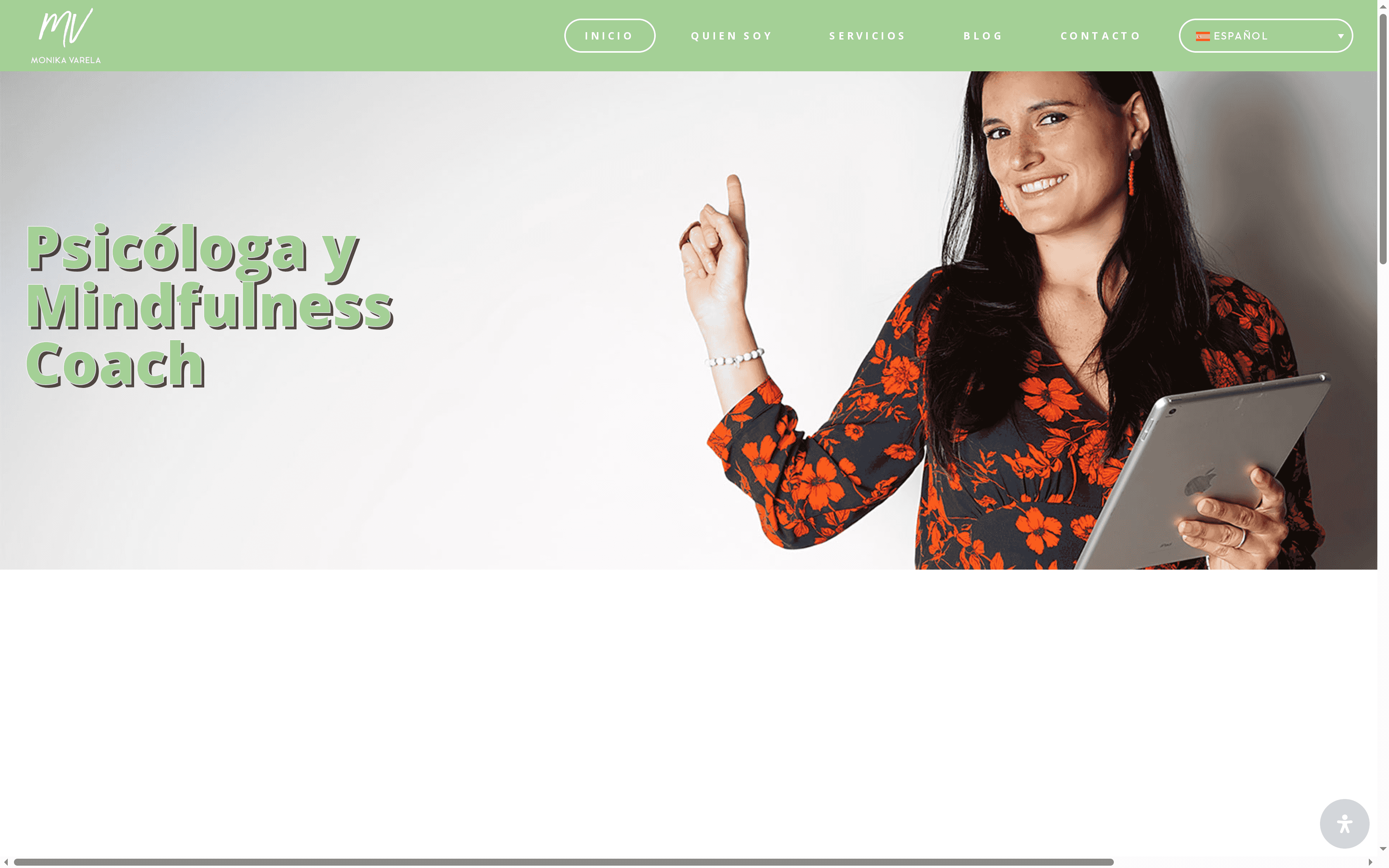
Unlock your full potential with personalized support from Monika Varela, a psychologist and mindfulness coach dedicated to helping you build lasting mental wellness and communication skills. Explore professional mindfulness coaching that matches your unique needs. Don’t wait to reduce anxiety, cultivate self-compassion, and create emotional balance—visit Monika’s services now and take your first step toward a calmer, more aware life.
Frequently Asked Questions
What is mindful breathing and how can I practice it?
Mindful breathing is a technique that helps you focus on your breath to achieve instant calm. To practice, find a comfortable seated position, close your eyes, and observe the rise and fall of your abdomen while breathing naturally, starting with just two minutes daily.
How do I perform a Body Scan to release tension?
The Body Scan technique involves systematically focusing on different parts of your body to identify and release physical tension. Lie down or sit comfortably, starting from your toes and moving upwards, gently breathing into areas of tension and visualizing stress melting away, with practice sessions beginning at five minutes.
What steps should I take for mindful listening during a conversation?
Mindful listening means fully engaging in the conversation without interruption, allowing for deeper understanding. To practice, put away digital devices, maintain eye contact, and reflect back what you heard, starting with short conversations to build your skills gradually.
How can I utilize guided imagery for relaxation?
Guided imagery is a mental practice that involves creating calming visualizations to promote relaxation. Find a quiet space, close your eyes, and imagine a serene scene, engaging all your senses in that imagery, starting with short sessions of five minutes to build your comfort level.
What is walking meditation and how should I start practicing it?
Walking meditation is a form of mindfulness that combines movement with awareness of your surroundings. Begin walking slowly in a quiet area, focusing on the sensations of your feet touching the ground, aiming for short sessions of five to ten minutes to develop your ability to stay present.
How can I practice loving-kindness meditation for better self-compassion?
Loving-kindness meditation helps cultivate kindness towards yourself and others, enhancing emotional well-being. Start by sitting comfortably, placing a hand on your heart, and repeating gentle phrases such as “May I be peaceful,” beginning with five-minute sessions to grow your compassion over time.






Aún no hay comentarios, ¡añada su voz abajo!