


Nearly 8 in 10 people report feeling overwhelmed at least once a week, yet few know how to break the cycle of stress and emotional reactivity. Mindfulness coaching has emerged as a practical answer for those searching for more than traditional therapy or self-help books can provide. By guiding clients in real-time awareness and emotional mastery, mindfulness coaches offer clear tools for creating lasting change in daily life.
Table of Contents
- Defining The Role Of A Mindfulness Coach
- Core Competencies And Essential Skills
- Qualifications, Certifications, And Training Paths
- Practical Applications In Personal And Professional Life
- Responsibilities, Boundaries, And Ethical Standards
Key Takeaways
| Point | Details |
|---|---|
| Mindfulness Coaching Focus | Mindfulness coaches emphasize present moment awareness and emotional regulation to foster self-growth and resilience in clients. |
| Core Competencies | Essential skills include active listening, non-judgmental observation, and empathetic communication, crucial for effective client interactions. |
| Educational Pathways | Aspiring coaches should seek degrees in psychology and specialized certifications to create a robust foundation for practice. |
| Ethical Standards | Coaches must adhere to professional boundaries, maintain client confidentiality, and prioritize the well-being of clients throughout the coaching relationship. |
Defining the Role of a Mindfulness Coach
A mindfulness coach is a specialized professional who guides individuals through transformative mental wellness practices, helping them develop profound self-awareness and emotional regulation skills. Unlike traditional therapists, mindfulness coaches focus on present moment experiences, teaching techniques that enable clients to observe thoughts and emotions without judgment, creating space for conscious response rather than reactive behavior.
The core responsibilities of a mindfulness coach include:
- Teaching meditation and breathing techniques
- Supporting stress management strategies
- Developing personalized mindfulness practice plans
- Facilitating emotional intelligence growth
- Helping clients recognize and interrupt negative thought patterns
Mindfulness coaching bridges the gap between traditional therapy and personal development, offering a proactive approach to mental wellness. Coaches work with individuals to cultivate intentional awareness, helping clients understand their internal landscapes and develop resilience. Through structured guidance, they assist people in learning how to stay present, manage challenging emotions, and create sustainable psychological well-being.
Practitioners in this field typically possess extensive training in psychology, meditation practices, and therapeutic communication. They draw from various disciplines including cognitive behavioral techniques, neuroscience insights, and contemplative traditions to create holistic, personalized approaches. The ultimate goal is empowering clients to develop their own mindfulness toolkit, enabling them to navigate life’s complexities with greater emotional intelligence and inner peace.
Core Competencies and Essential Skills
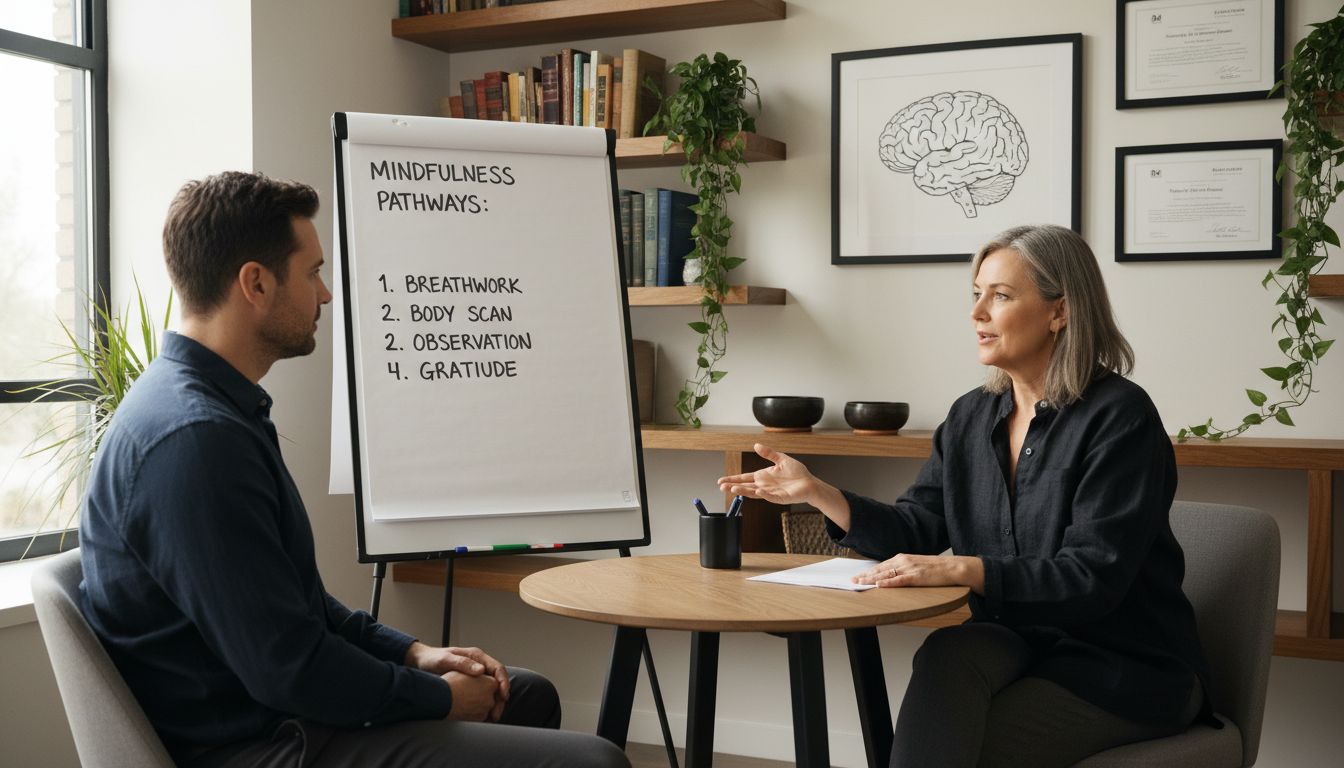
A mindfulness coach must develop a sophisticated set of skills that go beyond traditional therapeutic approaches, creating a unique professional toolkit designed to support clients’ personal transformation. These skills encompass psychological insight, emotional intelligence, and specialized communication techniques that enable deep personal growth and self-discovery.
Key essential skills include:
- Advanced active listening techniques
- Emotional regulation capabilities
- Non-judgmental observation skills
- Empathetic communication strategies
- Ability to create safe, supportive environments
TD.org highlights that mindfulness significantly enhances active listening skills, allowing coaches to explore clients’ language and emotions with exceptional depth. By cultivating strong presence, coaches can create an empathetic space where clients feel truly heard and understood, enabling more meaningful and transformative coaching experiences.
Professional mindfulness coaches must also possess robust self-awareness and continuous personal practice. This means maintaining their own mindfulness routine, understanding personal triggers, and demonstrating emotional resilience. Through ongoing professional development, they refine their ability to guide others, modeling the very principles of mindful living they teach. Their competence lies not just in theoretical knowledge, but in their capacity to authentically embody mindfulness principles in both professional interactions and personal life.
Qualifications, Certifications, and Training Paths
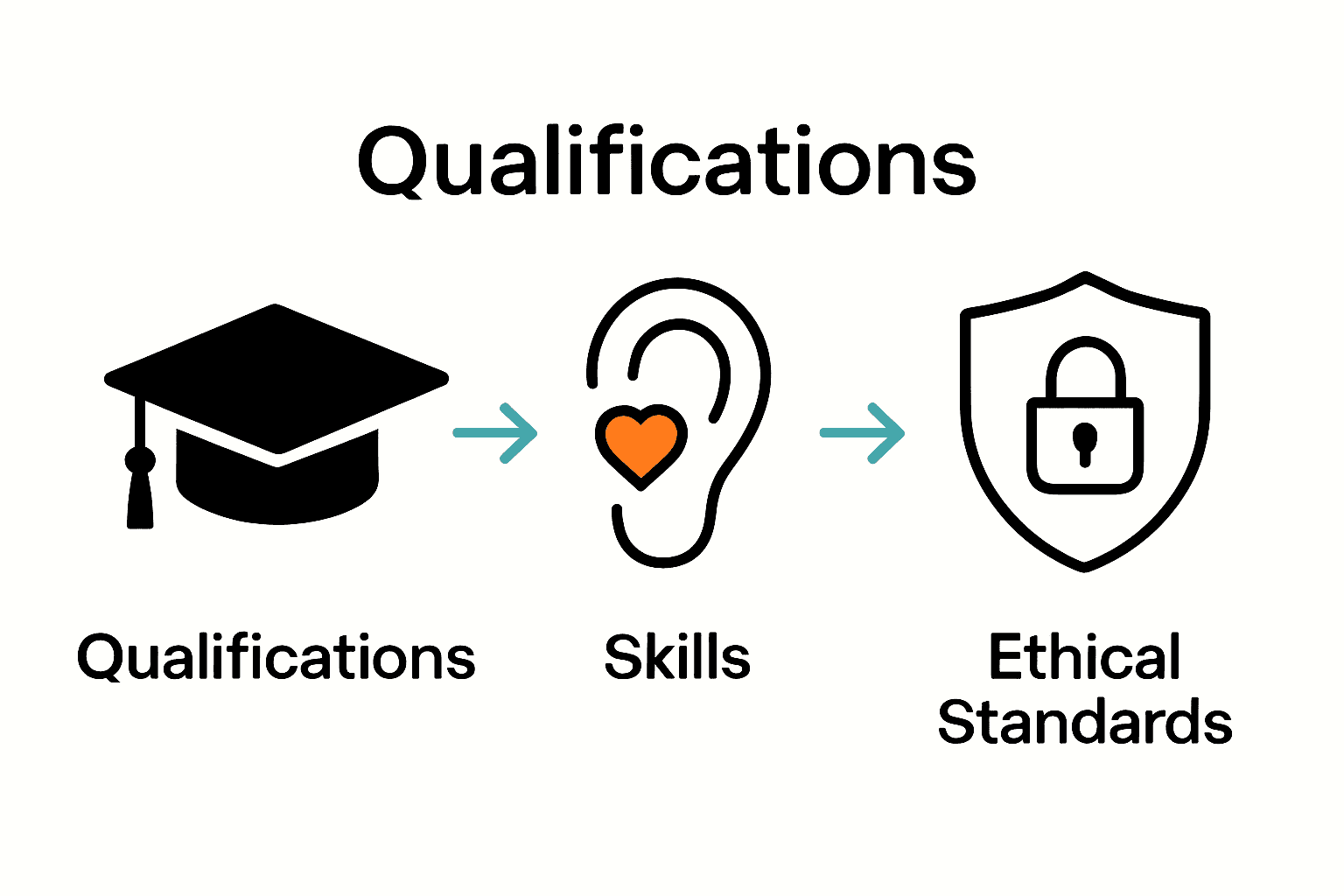
Becoming a mindfulness coach requires a comprehensive educational journey that blends academic training, specialized certification programs, and ongoing professional development. Aspiring coaches typically need a strong foundation in psychology, counseling, or related mental health disciplines, complemented by intensive mindfulness-specific training that goes beyond traditional therapeutic approaches.
Key educational pathways and qualifications include:
- Bachelor’s or Master’s degree in psychology
- Professional counseling credentials
- Specialized mindfulness coaching certifications
- Meditation teacher training programs
- Continuing education in neuroscience and contemplative practices
Professional certification programs often require rigorous training that encompasses:
- Theoretical mindfulness foundations
- Practical coaching techniques
- Personal mindfulness practice documentation
- Supervised coaching experience
- Professional ethics and client interaction protocols
Successful mindfulness coaches invest significant time in developing multi-disciplinary expertise, combining academic knowledge with experiential learning. This holistic approach ensures they can provide nuanced, scientifically grounded guidance that addresses the complex emotional and psychological needs of their clients. The journey to becoming a mindfulness coach is not just about acquiring credentials, but about developing a deep, authentic understanding of mindfulness principles and their transformative potential in personal and professional contexts.
Practical Applications in Personal and Professional Life
Mindfulness coaching offers transformative strategies that extend far beyond traditional therapeutic approaches, providing practical tools for navigating both personal challenges and professional environments. These techniques help individuals develop emotional intelligence, stress management skills, and enhanced self-awareness that can be applied across multiple life domains.
Key practical applications include:
- Improving workplace communication
- Reducing professional burnout
- Enhancing decision-making capabilities
- Managing interpersonal relationships
- Developing emotional resilience
- Creating sustainable work-life balance
In personal contexts, mindfulness coaching helps individuals cultivate deeper self-understanding, enabling them to recognize and interrupt negative thought patterns. Practitioners learn to respond to challenging situations with greater clarity and intentionality, rather than reacting from a place of automatic emotional impulse. This skill becomes particularly powerful in managing personal relationships, navigating career transitions, and maintaining mental health during high-stress periods.
Professional environments increasingly recognize the value of mindfulness techniques, with many organizations implementing coaching programs to support employee well-being and performance. Mindfulness coaching equips professionals with tools to manage workplace stress, improve focus, and develop more authentic leadership skills. By integrating mindful practices into daily routines, individuals can create more meaningful connections, communicate more effectively, and approach complex challenges with greater emotional intelligence and strategic thinking.
Responsibilities, Boundaries, and Ethical Standards
Mindfulness coaches operate within a complex ethical landscape that demands exceptional professional integrity, clear communication, and a deep commitment to client well-being. OHSU emphasizes that mindfulness coaching is fundamentally a wellness offering distinct from counseling, requiring precise professional boundaries and tailored approaches to individual client goals.
Key ethical responsibilities include:
- Maintaining absolute client confidentiality
- Establishing clear coaching agreements
- Avoiding personal or inappropriate relationships
- Respecting client autonomy and self-determination
- Continuously monitoring personal professional competence
- Providing transparent service limitations
- Referring clients to specialized professionals when necessary
Professional boundaries are critical in mindfulness coaching. Coaches must carefully navigate the delicate balance between supportive guidance and maintaining professional distance. This means creating a safe, non-judgmental space where clients feel empowered to explore their inner experiences without becoming emotionally dependent on the coach. Ethical standards require coaches to prioritize client welfare, recognize their own limitations, and commit to ongoing personal and professional development.
The most sophisticated mindfulness coaches understand that their work extends beyond technique delivery. They are committed to professional self-reflection, regularly examining their own biases, emotional triggers, and potential blind spots. This commitment ensures they can provide authentic, compassionate guidance while maintaining the highest standards of professional conduct. Ethical practice means recognizing that each client’s journey is unique, and the coach’s role is to facilitate growth, not to impose predetermined outcomes or personal beliefs.
Empower Your Journey with Expert Mindfulness Coaching
If you are seeking to build emotional resilience and develop your own mindfulness toolkit as described in the role of a mindfulness coach, you are not alone. Many face challenges like managing stress, breaking negative thought cycles, and improving emotional intelligence. These core goals require personalized guidance from a trained mindfulness professional who can help you cultivate present moment awareness and intentional self-regulation.
Discover how Monika Varela, a licensed psychologist and certified mindfulness coach, brings advanced skills and ethical expertise to support your growth. With tailored coaching programs, mindfulness workshops, and communication skill training, Monika provides proven strategies for sustainable well-being. Take the first step toward a calmer, more focused life by visiting Monika Varela today. Explore her therapeutic and training services and start your transformation now.
Frequently Asked Questions
What is the role of a mindfulness coach?
A mindfulness coach guides individuals in developing self-awareness and emotional regulation skills through present moment practices and techniques, helping clients respond consciously rather than reactively.
What skills are essential for a mindfulness coach?
Essential skills for a mindfulness coach include active listening, emotional regulation, non-judgmental observation, empathetic communication, and the ability to create a safe and supportive environment for clients.
What qualifications do I need to become a mindfulness coach?
To become a mindfulness coach, you typically need a degree in psychology or counseling, professional counseling credentials, specialized mindfulness coaching certification, and training in meditation and contemplative practices.
How can mindfulness coaching benefit my personal and professional life?
Mindfulness coaching can improve emotional intelligence, reduce stress, enhance decision-making, manage interpersonal relationships, and promote a sustainable work-life balance, leading to overall well-being and improved performance.






Aún no hay comentarios, ¡añada su voz abajo!