


More than 35 percent of adults have tried mindfulness, yet many still misunderstand what it truly means. Mindfulness is often mistaken for clearing the mind or religious ritual, but in reality, it is a practical skill that teaches present-moment awareness. As new technology and workplace programs bring mindfulness into everyday life, understanding its real power, benefits, and cultural roots becomes more important than ever.
Table of Contents
- Defining Mindfulness And Common Misconceptions
- Modern Mindfulness Trends And Technologies
- Clinical And Mental Health Benefits Today
- Mindfulness In Workplace And Organizational Wellness
- Inclusive, Ethical, Cultural Considerations In 2025
Key Takeaways
| Point | Details |
|---|---|
| Mindfulness Definition | Mindfulness involves awareness of internal states and surroundings, focusing on observation without judgment rather than achieving mental silence. |
| Technological Integration | Digital innovations like AI meditation apps and virtual mindfulness experiences enhance accessibility and customization of mindfulness practices. |
| Clinical Benefits | Mindfulness practices effectively reduce anxiety and depression while improving emotional regulation and overall mental resilience. |
| Workplace Impact | Implementing mindfulness in organizations boosts employee well-being, enhances communication, and fosters a healthier work culture. |
Defining Mindfulness And Common Misconceptions
Mindfulness is a powerful practice that goes far beyond simple relaxation or meditation. According to commons.und.edu, mindfulness is defined as the awareness of one’s internal states and surroundings, specifically applied in therapeutic interventions to help individuals observe their thoughts and emotions without judgment.
Contrary to popular belief, mindfulness is not about emptying your mind or achieving a state of complete mental silence. ChristianHealthNJ highlights several critical misconceptions that often prevent people from understanding this transformative practice:
- Mindfulness is NOT about stopping thoughts
- It is NOT exclusively a religious practice
- It does NOT require complete mental stillness
Instead, mindfulness is a nuanced approach to mental awareness that involves:
- Observing thoughts without criticism
- Staying present in the current moment
- Accepting emotions without attempting to change them
- Developing a non-judgmental awareness of your internal experience
At its core, mindfulness is a skill of conscious attention. It invites practitioners to witness their mental landscape without getting tangled in the narrative of their thoughts. Think of it like watching clouds drift across the sky – you see them, acknowledge them, but you don’t try to push them away or hold onto them. This practice can dramatically reduce stress, enhance emotional regulation, and provide a sense of inner calm and clarity.
Modern Mindfulness Trends And Technologies
The landscape of mindfulness is rapidly evolving, driven by technological innovation and global shifts in mental health awareness. According to PubMed, the COVID-19 pandemic dramatically accelerated public and research interest in mindfulness, with a significant increase in related publications and online searches during this period.
Digital technologies are transforming how people engage with mindfulness practices. Emerging trends include:
- AI-powered meditation apps with personalized guidance
- Virtual reality mindfulness experiences
- Wearable devices tracking mental wellness indicators
- Online group meditation platforms
- Adaptive mindfulness algorithms
These technological innovations are making mindfulness more accessible and customizable. Mobile applications now offer guided sessions tailored to individual stress levels, emotional states, and time constraints. Artificial intelligence helps create dynamic meditation experiences that adjust in real-time based on user biometric data and emotional feedback.
Interestingly, the pandemic has normalized digital wellness practices, breaking down traditional barriers to entry. People who might have previously been skeptical of technology-assisted mindfulness are now embracing these tools as essential components of mental health management. From smartphone apps to immersive virtual environments, technology is democratizing mindfulness, making it more approachable, engaging, and integrated into daily life.
With a guide on mindfulness practices, you can explore how these technological trends are reshaping our approach to mental wellness and personal development.
Clinical And Mental Health Benefits Today
Mindfulness has emerged as a powerful therapeutic approach with wide-ranging clinical benefits. According to the National Center for Complementary and Integrative Health, mindfulness practices have been consistently associated with reduced stress, enhanced performance, and improved overall well-being across various health contexts.
The mental health implications are particularly profound. Wellness Impact Lab research highlights the effectiveness of mindfulness-based interventions in addressing critical psychological challenges:
- Reducing symptoms of anxiety and depression
- Improving emotional regulation
- Enhancing stress management capabilities
- Increasing psychological resilience
- Supporting trauma recovery processes
Clinical studies demonstrate that regular mindfulness practice can fundamentally rewire neural pathways. Practitioners often experience significant improvements in cognitive function, including better attention control, increased emotional intelligence, and more adaptive stress responses. These neuroplastic changes suggest that mindfulness is not just a temporary coping mechanism but a transformative approach to mental health.

Moreover, mindfulness interventions are proving effective across diverse populations. From corporate professionals managing workplace stress to individuals battling chronic mental health conditions, the adaptability of mindfulness techniques makes them a versatile tool for psychological well-being. With a comprehensive guide on mindfulness practices, individuals can explore personalized strategies for mental health enhancement and emotional balance.
Mindfulness In Workplace And Organizational Wellness
As modern workplaces grapple with unprecedented levels of stress and burnout, mindfulness has emerged as a critical strategy for organizational wellness. According to New Jersey State Government, implementing mindfulness practices is linked to improved relaxation, better sleep, and enhanced mental clarity, ultimately fostering a healthier work environment.
The benefits of workplace mindfulness extend far beyond individual well-being. Organizations are discovering that mindful practices can dramatically transform company culture and productivity:
- Reducing employee stress levels
- Improving emotional intelligence
- Enhancing team communication
- Decreasing workplace conflicts
- Increasing overall job satisfaction
Modern companies are integrating mindfulness through innovative approaches like dedicated meditation spaces, virtual mindfulness workshops, and incorporating short meditation breaks into work schedules. These strategies help employees develop resilience, manage professional challenges more effectively, and maintain a balanced psychological state amidst high-pressure environments.
Interestingly, mindfulness is no longer seen as a soft skill but a critical organizational competency. Leaders recognize that emotionally regulated, mentally focused employees drive innovation, collaboration, and sustainable performance. With a comprehensive guide on mindfulness practices, organizations can develop targeted strategies to integrate these transformative techniques into their workplace wellness programs.
Inclusive, Ethical, Cultural Considerations in 2025
As mindfulness practices continue to evolve, cultural sensitivity and ethical engagement have become paramount. PubMed’s bibliometric analysis highlights the critical importance of understanding mindfulness through a nuanced, culturally informed lens, revealing how the practice has transformed over 55 years of research.
The digital landscape presents unique challenges and opportunities for mindful practice. Research from SO19 explores how traditional Buddhist mindfulness principles can be integrated into digital environments, offering strategies to promote ethical online engagement and mental well-being:
- Recognizing cultural origins of mindfulness practices
- Avoiding cultural appropriation
- Respecting diverse spiritual and philosophical traditions
- Adapting practices to individual cultural contexts
- Promoting inclusive and accessible mindfulness approaches
In 2025, mindfulness is increasingly about creating spaces that honor individual experiences while building collective understanding. This means developing practices that are not one-size-fits-all but flexible, adaptive, and deeply respectful of diverse human experiences. Practitioners and organizations are moving beyond superficial implementations to create truly inclusive mindfulness frameworks that acknowledge different cultural perspectives and healing traditions.
Here’s a structured comparison of key aspects of mindfulness in modern contexts:
| Aspect | Clinical & Mental Health Benefits | Workplace & Organizational Wellness | Inclusive, Ethical, Cultural Practices |
|---|---|---|---|
| Main Focus | Stress reduction Improved well-being |
Employee engagement Team performance |
Cultural sensitivity Ethical application |
| Key Outcomes | Less anxiety & depression Better coping |
Less burnout Higher job satisfaction |
Inclusivity Respect for traditions |
| Implementation | Therapy sessions Personal practice |
Workshops Meditation spaces |
Adapted frameworks Cultural education |
| Target Population | Individuals Clinical groups |
Employees Organizations |
Diverse cultural communities |
| Success Indicator | Improved mental health Enhanced resilience |
Better collaboration Reduced conflict |
Ethical use Cultural respect |
With a comprehensive guide on mindfulness practices, individuals and organizations can navigate these complex ethical considerations, ensuring mindfulness remains a tool for genuine connection, understanding, and personal growth.
Unlock the True Power of Mindfulness in Your Life Today
The article “Why Mindfulness Matters in 2025: Complete Guide” highlights the growing challenges of stress, burnout, and the need for culturally sensitive mindfulness practices. If you are seeking to reduce anxiety, improve emotional resilience, or foster a mindful workplace, these struggles are deeply connected to developing conscious awareness and non-judgmental acceptance. With mindfulness evolving to include innovative tech and ethical considerations, it is more important than ever to access expert guidance tailored to your unique needs.
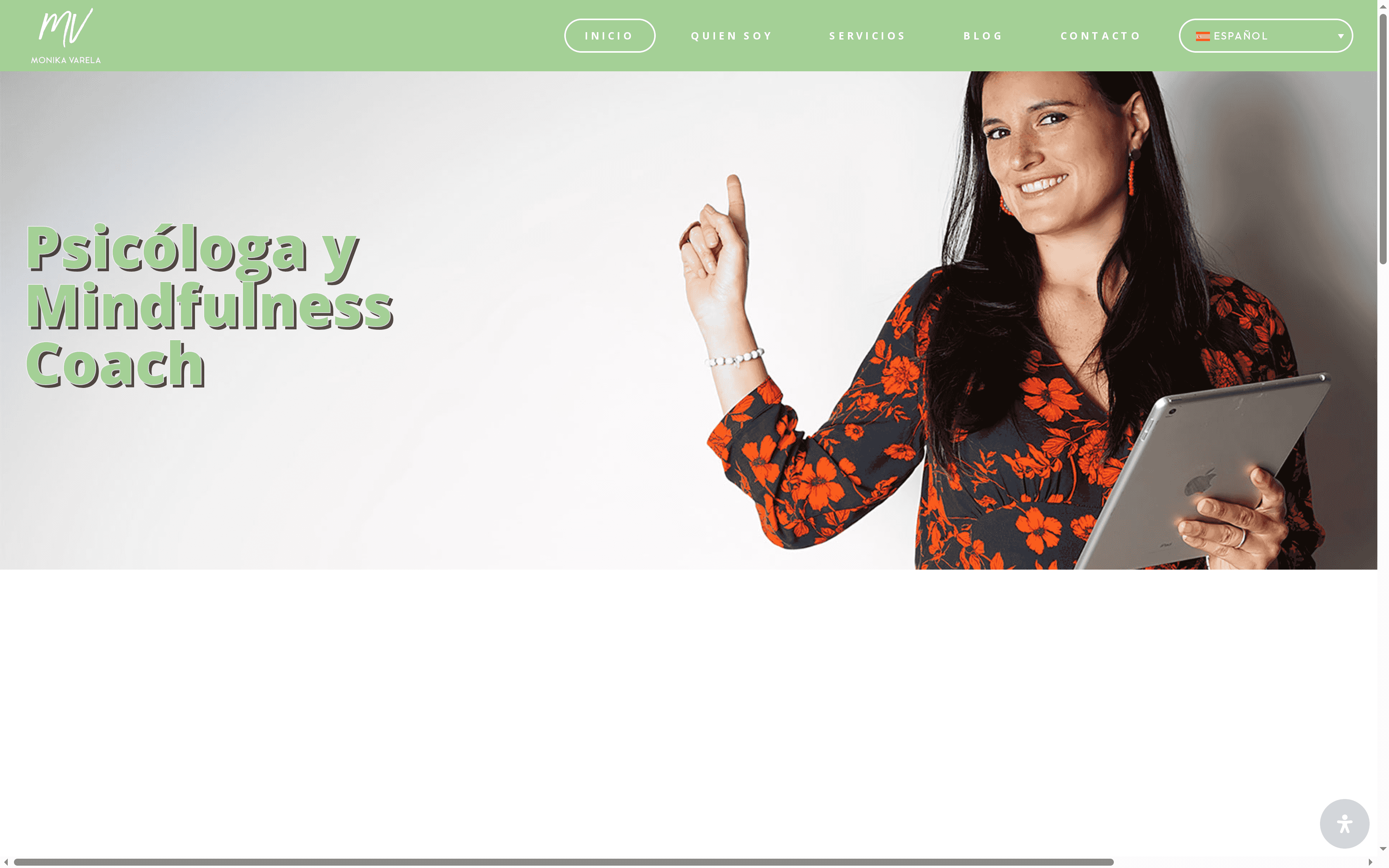
Discover how Monika Varela combines professional psychology and mindfulness coaching to help you overcome these challenges. Whether you want to master mindfulness for personal growth, enhance your communication skills, or integrate these techniques in your organization, her comprehensive services provide accessible, inclusive, and evidence-based solutions. Take advantage of personalized coaching, workshops, and therapeutic sessions designed to empower you now. Start your mindful journey with a complete guide on mindfulness practices and explore the benefits today at Monikavarela.com. Your path to mental clarity and balance begins with a single step.
Frequently Asked Questions
What is mindfulness and how is it practiced?
Mindfulness is the awareness of one’s thoughts and emotions without judgment. It is practiced by observing thoughts, staying present in the moment, accepting emotions, and developing a non-judgmental awareness of internal experiences.
How can mindfulness benefit mental health?
Mindfulness can reduce symptoms of anxiety and depression, improve emotional regulation, enhance stress management, and increase psychological resilience, leading to overall better mental well-being.
What are some modern tools for practicing mindfulness?
Modern tools include AI-powered meditation apps, virtual reality mindfulness experiences, wearable devices for tracking mental wellness, and online group meditation platforms, making mindfulness more accessible and personalized.
Why is cultural sensitivity important in mindfulness practices?
Cultural sensitivity is important in mindfulness to avoid cultural appropriation and to respect diverse spiritual traditions. Mindfulness practices should adapt to individual cultural contexts to promote inclusiveness and ethical engagement.





Aún no hay comentarios, ¡añada su voz abajo!