


Nearly one in three American adults report ongoing stress, yet finding practical ways to manage these pressures can feel confusing. Group mindfulness sessions are gaining popularity because they offer more than just stress relief. Research shows that shared mindfulness practices can increase mental clarity and promote healthy habits. If you want to understand how collective mindfulness can support both personal well-being and community connection, exploring group sessions might reveal new possibilities for your daily life.
Table of Contents
- Defining Group Mindfulness Sessions
- Common Formats and Session Structures
- Key Benefits for Individuals and Teams
- Who Should Attend and Requirements
- Challenges, Risks, and Comparisons
Key Takeaways
| Point | Details |
|---|---|
| Group Mindfulness Sessions Enhance Skills | Participants develop personal mindfulness techniques within a supportive group environment, fostering both individual growth and mutual learning. |
| Structured Formats Provide Security | Typically designed with a consistent agenda, these sessions promote comfort and engagement, allowing participants to focus on mindfulness practices. |
| Broad Benefits for Physical and Psychological Health | Improvements may include stress relief, better emotional regulation, enhanced life satisfaction, and collective resilience among teams. |
| Even for Various Experience Levels | Group mindfulness sessions welcome all individuals, ensuring an environment conducive to personal development regardless of prior experience. |
Defining Group Mindfulness Sessions
Group mindfulness sessions are structured, collective learning experiences designed to cultivate mental awareness, emotional regulation, and stress management through shared meditation practices. These collaborative environments offer participants a unique opportunity to explore mindfulness techniques while benefiting from communal support and collective energy.
According to Wikipedia , mindfulness-based stress reduction (MBSR) provides a foundational framework for understanding these sessions. MBSR is an educational program that combines multiple approaches to help individuals manage stress, pain, and illness. Specifically, group mindfulness sessions typically incorporate:
- Meditation practices : Guided breathing and awareness exercises
- Body awareness techniques : Systematic exploration of physical sensations
- Yoga integration : Movement-based mindfulness practices
- Behavioral pattern exploration : Examining individual thinking and emotional responses
These sessions differ from individual mindfulness practices by creating a shared learning environment where participants can simultaneously develop personal skills while feeling supported by a collective experience. Participants learn not just individual techniques, but also gain insights from group interactions, discussions, and collective experiences.
The group dynamic allows for mutual learning, where individuals can observe different approaches, share challenges, and normalize their personal mindfulness journey.
The core objective of group mindfulness sessions remains consistent: helping participants develop practical skills for managing stress, enhancing emotional intelligence, and cultivating a more balanced, present-moment awareness. By combining expert guidance, structured techniques, and a supportive group environment, these sessions offer a powerful approach to personal growth and mental wellness.
Common Formats and Session Structures
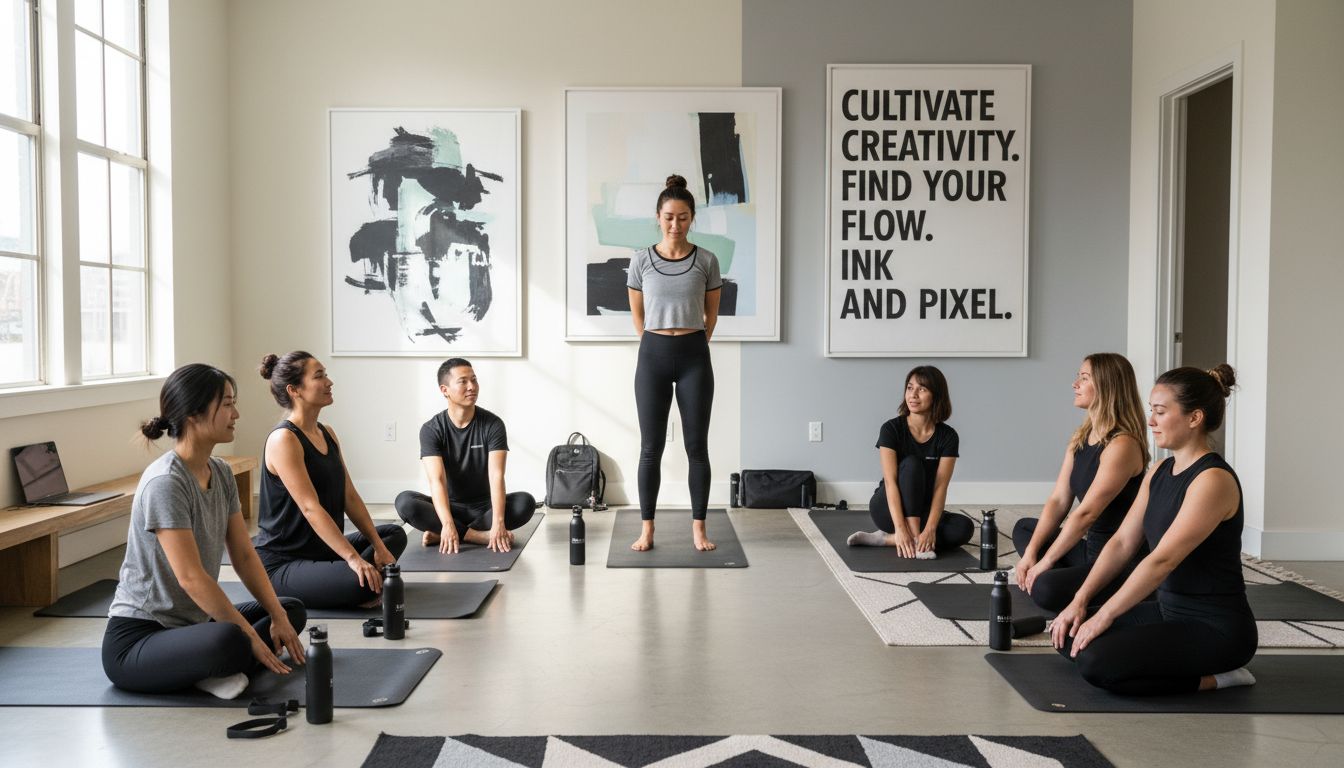
Group mindfulness sessions are intentionally designed with structured formats to maximize participant engagement and learning. These carefully crafted session structures provide a predictable framework that helps participants feel secure and comfortable while exploring mindfulness techniques.
According to University of Wollongong, a typical group mindfulness session often follows a consistent two-hour format with specific time allocations for different activities. A standard session might include:
- Introduction and Grounding (10 minutes)
- Mindfulness and Relaxation Exercise (10 minutes)
- Group Sharing and Reflections (40 minutes)
- Short Break (10 minutes)
- Psychoeducation and Skill Development (40 minutes)
- Closing Debrief and Mindfulness Practice (10 minutes)
Wikipedia highlights that some structured programs, like Mindfulness-Based Cognitive Therapy (MBCT), follow an eight-week curriculum. These comprehensive programs typically include weekly two-hour sessions and a day-long intensive class midway through the program. The sessions are designed to explore critical aspects of mindfulness, such as:
- Perception and stress reactivity
- Emotional regulation techniques
- Interpersonal communication skills
- Practical strategies for integrating mindfulness into daily life
The diversity of group mindfulness session formats allows for flexibility in meeting different participant needs. While some programs follow a strict, structured approach, others might be more fluid and adaptive. The key is maintaining a balance between structured learning and organic group exploration, creating an environment that supports personal growth, collective understanding, and practical skill development.
Key Benefits for Individuals and Teams
Group mindfulness sessions offer transformative advantages that extend far beyond individual practice, creating powerful opportunities for personal and collective growth. These collaborative experiences provide a unique environment where participants can simultaneously develop individual skills and benefit from shared learning dynamics.
According to Mater Online, practicing mindfulness can contribute to significant improvements in both physical and psychological well-being. The research highlights multiple comprehensive benefits, including:
- Physical Health Improvements
- Stress relief
- Lower blood pressure
- Chronic pain reduction
- Enhanced sleep quality
- Improved gastrointestinal function
- Psychological Health Benefits
- Enhanced emotional regulation
- Greater present-moment awareness
- Improved capacity to manage challenging events
- Increased overall life satisfaction
Basundari emphasizes that group sessions create unique learning environments where participants benefit from real-time feedback, diverse skill-level interactions, and collective support. The group dynamic accelerates learning through role modeling, peer interaction, and immediate clarification of misunderstandings.
For teams and organizational settings, group mindfulness sessions become powerful tools for building collective resilience, improving communication, and fostering a supportive work environment. By practicing together, team members develop shared emotional intelligence, learn complementary coping strategies, and create a culture of mutual understanding and psychological safety. These sessions transform individual mindfulness practices into collaborative experiences that enhance both personal growth and collective performance.
Who Should Attend and Requirements
Group mindfulness sessions are designed to accommodate a wide range of participants, from complete beginners to experienced practitioners seeking deeper understanding and collective support. These inclusive environments welcome individuals from diverse backgrounds who share a common goal of personal growth and mental well-being.
According to University of Health Services, mindfulness sessions offer multiple benefits including stress reduction, decreased emotional reactivity, enhanced cognitive flexibility, and improved relationship satisfaction. These sessions are particularly beneficial for individuals who:
- Are experiencing high stress levels
- Want to improve emotional regulation
- Seek to enhance personal awareness
- Desire to develop coping strategies
- Interested in personal and professional development
Wirral University Teaching Hospital recommends group sizes typically ranging up to 12 participants, ensuring intimate and interactive learning environments. Typical attendance requirements often include:
- Willingness to participate actively
- Openness to learning new techniques
- Commitment to attending multiple sessions
- Basic ability to sit and engage in gentle movement
- Respect for group confidentiality
Participants should understand that group mindfulness sessions are not therapy replacements but complementary practices supporting mental and emotional well-being. While most sessions welcome diverse participants, individuals with severe mental health conditions should first consult their healthcare providers to determine appropriateness. The key is approaching these sessions with curiosity, patience, and a genuine desire for personal growth and collective learning.
Challenges, Risks, and Comparisons
Group mindfulness sessions present unique dynamics that require careful consideration, balancing potential benefits with inherent challenges and limitations. Understanding these nuanced aspects helps participants make informed decisions about their mindfulness practice and potential engagement.
According to Wikipedia, group interventions can take multiple forms, including support groups, skills training, and psychoeducation groups. This diversity means participants might encounter different approaches and expectations across various group formats. Key challenges include:
- Potential discomfort with group vulnerability
- Varying participant commitment levels
- Uneven skill and experience distributions
- Personal privacy concerns
- Potential for interpersonal triggers
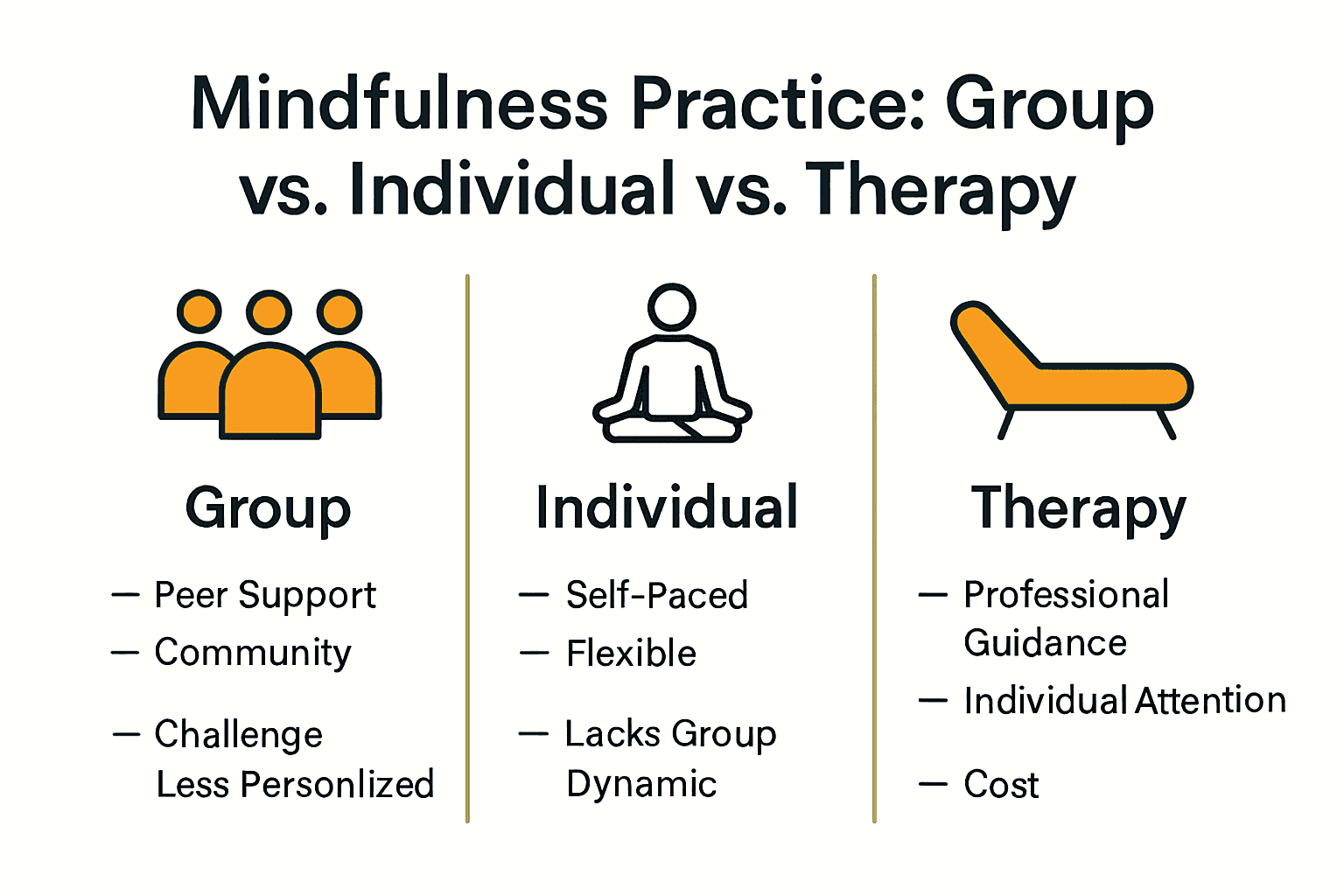
Wikipedia highlights that Mindfulness-Based Stress Reduction (MBSR) is fundamentally an educational intervention, not a therapy replacement. This distinction is critical for understanding potential risks and limitations. Comparative analysis reveals important differences between group mindfulness sessions and other interventions:
- Individual Therapy: More personalized, deeper psychological exploration
- Group Mindfulness: Collective learning, shared experiences
- Online Courses: Flexible, self-paced, less interactive
- One-on-One Coaching: Targeted, personalized guidance
Participants should approach group mindfulness sessions with realistic expectations, understanding that while these experiences offer significant benefits, they are not comprehensive mental health treatments. Individual needs, comfort levels, and personal goals will ultimately determine the most appropriate mindfulness practice.
 Open communication, self-awareness, and a willingness to adapt are crucial for navigating potential challenges and maximizing the transformative potential of group mindfulness experiences.
Discover the Power of Group Mindfulness with Expert Guidance
Struggling to manage stress or seeking a supportive environment for emotional growth The article highlights common challenges such as discomfort with vulnerability and uneven experience levels in group mindfulness sessions. These can make it hard to fully benefit from mindfulness practice. If you want to develop practical skills in stress relief, emotional regulation, and presence while feeling supported and understood you deserve an approach tailored to your needs.
Unlock the full potential of group mindfulness by exploring customized workshops and coaching with Monika Varela. Benefit from her professional expertise in psychology and mindfulness coaching combined with a compassionate, inclusive setting that respects your peace and privacy. Start improving your well-being today by visiting Monika Varela’s website where you can learn about mindfulness workshops, connect with a community, and book your first session. Take the step to transform your mindfulness journey with trusted guidance now.
Frequently Asked Questions
What are group mindfulness sessions?
Group mindfulness sessions are structured collective experiences to enhance mental awareness, emotional regulation, and stress management through shared designed meditation practices, allowing participants to learn from expert guidance and each other.
Who can attend group mindfulness sessions?
Anyone, from beginners to experienced practitioners, can attend group mindfulness sessions. They are particularly beneficial for individuals experiencing high stress, seeking emotional regulation, or interested in personal development.
What is the typical structure of a group mindfulness session?
A standard group mindfulness session usually follows a two-hour format including introduction, mindfulness exercises, group sharing, psychoeducation, and a closing practice, creating a balanced environment for learning and interaction.
What are the benefits of attending group mindfulness sessions?
Attending group mindfulness sessions can significantly improve both physical and psychological health, including stress relief, enhanced emotional regulation, and increased overall life satisfaction. The collective dynamic also fosters a supportive learning environment for participants.
Recommended
- Best 7 Mindfulness Tools for Professionals – Expert Comparison 2025 – Mónika Varela
- Why Join Mindfulness Workshops: The Definitive Guide – Mónika Varela
- Why Mindfulness Matters in 2025: Complete Guide – Mónika Varela
- Mastering Mindfulness for Professionals: Complete Guide – Mónika Varela
- 7 Essential Relaxation Techniques List for Stress Relief – Verdure Registered Massage Therapy
- How Guided Meditation Reduces Stress to Aid Weight Loss? – LeanAndFit






Aún no hay comentarios, ¡añada su voz abajo!