



More than 60 percent of American employees say stress at work affects their daily life. For professionals across global corporate settings, neglecting mental wellness can lead to lower productivity and diminished personal development. Understanding how psychologists shape wellbeing is essential for creating healthier workplaces and supporting lasting change. This article highlights practical ways psychology experts help organizations nurture both employee wellbeing and individual growth.
Table of Contents
- Role of Psychologist in Wellbeing Explained
- Key Types of Psychological Services Offered
- How Psychologists Support Employee Wellbeing
- Misconceptions and Challenges in the Workplace
- Benefits for Organizations and Individuals
- Practical Strategies for Implementation
Key Takeaways
| Point | Details |
|---|---|
| Psychologists Enhance Mental Health | Psychologists play a crucial role in improving individual and organizational mental health through tailored interventions and strategic frameworks. |
| Comprehensive Support Services | Psychological services include both individual counseling and systemic organizational strategies that promote well-being and productivity. |
| Challenging Misconceptions | Understanding the true nature of psychological safety is essential for fostering an environment conducive to open feedback and employee engagement. |
| Effective Implementation Strategies | Organizations should establish multifaceted psychological wellness frameworks that actively involve employees in developing and executing mental health initiatives. |
Role of Psychologist in Wellbeing Explained
Psychologists are essential professionals who play a multifaceted role in understanding and improving mental health across individual and organizational contexts. Scientific research reveals that psychologists contribute far beyond traditional therapy approaches, addressing mental wellness through comprehensive strategies that impact personal and professional environments.
At the individual level, psychologists provide targeted mental health support by helping professionals navigate complex workplace challenges, emotional stressors, and personal development barriers. They utilize specialized techniques like cognitive behavioral interventions, stress management protocols, and personalized counseling to enhance psychological resilience. Positive psychology frameworks such as the Job Demands-Resources model enable psychologists to design targeted workplace interventions that cultivate employee engagement, psychological safety, and overall organizational wellbeing.
Beyond individual counseling, psychologists significantly influence organizational culture by consulting with leadership teams to develop mental health strategies, design employee support programs, and create systemic approaches to workplace wellness. Their expertise helps companies understand intricate relationships between psychological health, productivity, and employee satisfaction, enabling more holistic and human-centered work environments.
Pro Tip: When seeking psychological support, prioritize professionals with demonstrated experience in workplace mental health and organizational psychology strategies.
Key Types of Psychological Services Offered
Psychological services encompass a diverse range of interventions designed to support mental health and personal development in professional contexts. Comprehensive meta-analyses reveal multiple service categories that address workplace psychological wellness, each targeting specific individual and organizational needs.
Individual psychological services primarily focus on personalized therapeutic approaches that help professionals navigate complex emotional landscapes. These include one-on-one counseling, cognitive behavioral therapy, and stress management coaching. Such interventions are tailored to address unique challenges like work-related anxiety, performance pressures, interpersonal communication difficulties, and personal resilience development. Psychologists utilize evidence-based techniques to help individuals understand their emotional patterns, develop coping strategies, and enhance overall psychological functioning.
Organizational psychological services extend beyond individual support, targeting systemic workplace wellness. These services include leadership coaching, team dynamics assessment, organizational culture evaluation, and corporate mental health program design. Psychologists work directly with companies to create comprehensive wellness frameworks that promote employee engagement, psychological safety, and sustainable productivity. By analyzing workplace environments, they help organizations develop strategies that support employee mental health while simultaneously improving organizational performance and employee satisfaction.
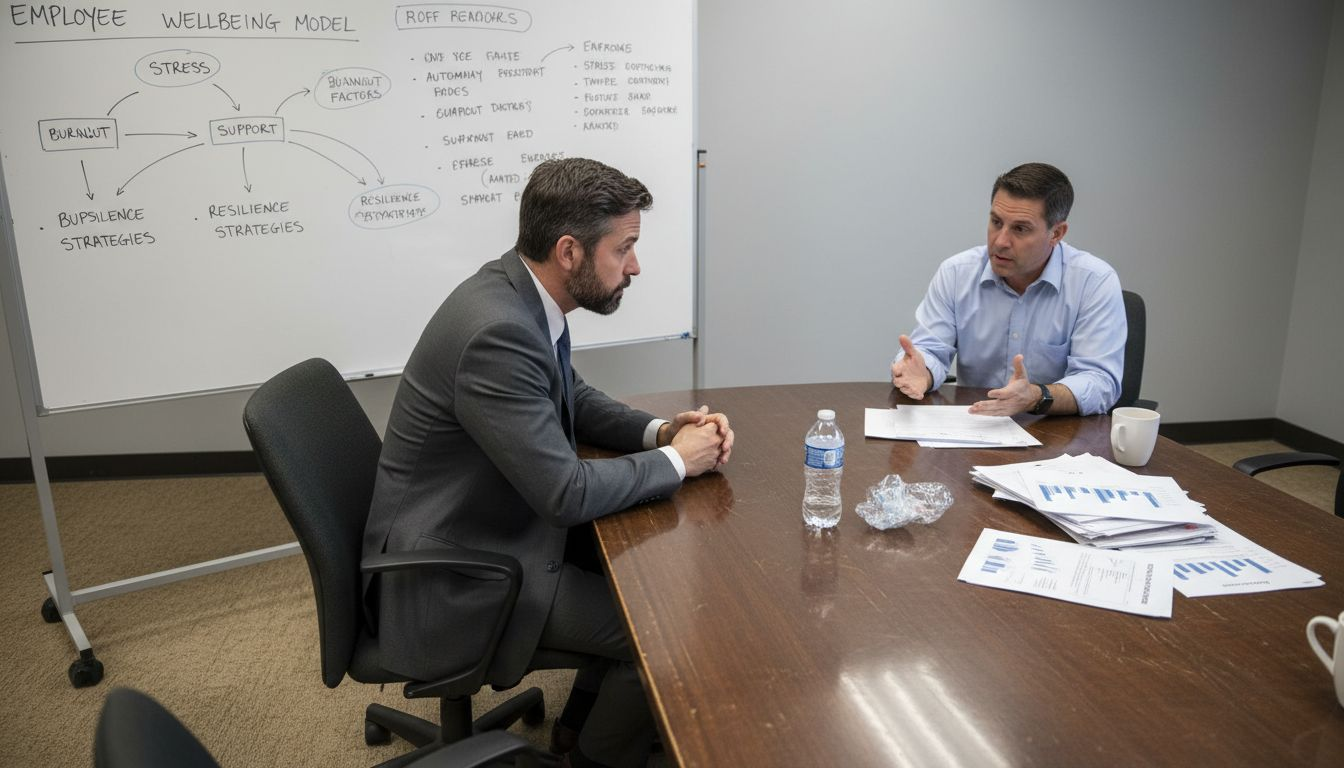
Here’s a summary of individual vs. organizational psychological services and their primary impacts:
| Service Focus | Main Approach | Example Benefits |
|---|---|---|
| Individual Support | Personalized therapeutic care | Enhanced resilience, reduced anxiety |
| Organizational Support | Systemic workplace strategies | Higher productivity, improved retention |
Pro Tip: Request a preliminary consultation with a psychologist to understand which specific services align best with your personal or organizational mental health goals.
How Psychologists Support Employee Wellbeing
Organizational psychologists play a critical role in creating holistic workplace environments that prioritize employee mental health and professional development. Their comprehensive approach extends far beyond traditional counseling, focusing on systematic interventions that address both individual and organizational psychological wellness.
At the individual level, psychologists provide targeted support through personalized strategies designed to help employees navigate workplace challenges. This includes conducting individual assessments, developing personalized coping mechanisms, and offering confidential counseling sessions that address work-related stress, communication barriers, and professional growth obstacles. By understanding each employee’s unique psychological profile, these professionals can design interventions that enhance personal resilience, emotional intelligence, and overall job satisfaction.
Scientific research highlights five key strategies for supporting employee psychological wellbeing, which organizational psychologists help implement. These strategies include improving Employee Assistance Programs, reducing mental health stigma, increasing access to mental health resources, creating diverse support channels, and embedding wellbeing values into corporate culture. Psychologists work closely with leadership teams to design comprehensive wellness frameworks that transform organizational approaches to mental health, creating environments where employees feel supported, valued, and empowered.
Pro Tip: Proactively schedule regular check-ins with organizational psychologists to assess and maintain your workplace’s mental health ecosystem.
Misconceptions and Challenges in the Workplace
Workplace psychological dynamics are often misunderstood, creating significant barriers to effective mental health support and organizational wellness. These misconceptions can prevent employees and organizations from developing truly supportive and psychologically healthy work environments.
One prevalent misconception is that psychological safety means avoiding all conflict or criticism. In reality, authentic workplace psychological safety requires open communication, constructive feedback, and mutual accountability. Research demonstrates that true psychological safety is a nuanced concept that goes far beyond simply avoiding disagreement. Organizations often mistakenly believe they can mandate psychological safety through policy, when in fact it requires sustained cultural transformation, genuine leadership commitment, and intentional relationship-building.
Below is a comparison of common misconceptions and the reality of workplace psychological safety:
| Misconception | Reality | Resulting Workplace Behavior |
|---|---|---|
| Safety means avoiding all conflict | True safety involves open feedback | Constructive criticism is welcomed |
| Policy mandates ensure psychological safety | Cultural change and leadership are essential | Long-term behavioral shifts occur |
Professionals in psychological service roles also face unique challenges, including potential burnout, emotional exhaustion, and the complex task of maintaining personal boundaries while providing supportive interventions. These challenges are compounded by organizational expectations, limited resources, and the increasing complexity of workplace mental health needs. Psychologists must continuously develop resilience, update their skills, and create sustainable professional practices that allow them to effectively support others while maintaining their own psychological well-being.
Pro Tip: Regularly conduct anonymous workplace surveys to identify hidden misconceptions about psychological safety and mental health support.
Benefits for Organizations and Individuals
Integrating psychological principles into workplace strategies creates transformative benefits that extend far beyond traditional performance metrics. The strategic application of psychological insights generates substantial advantages for both organizational systems and individual employee experiences.
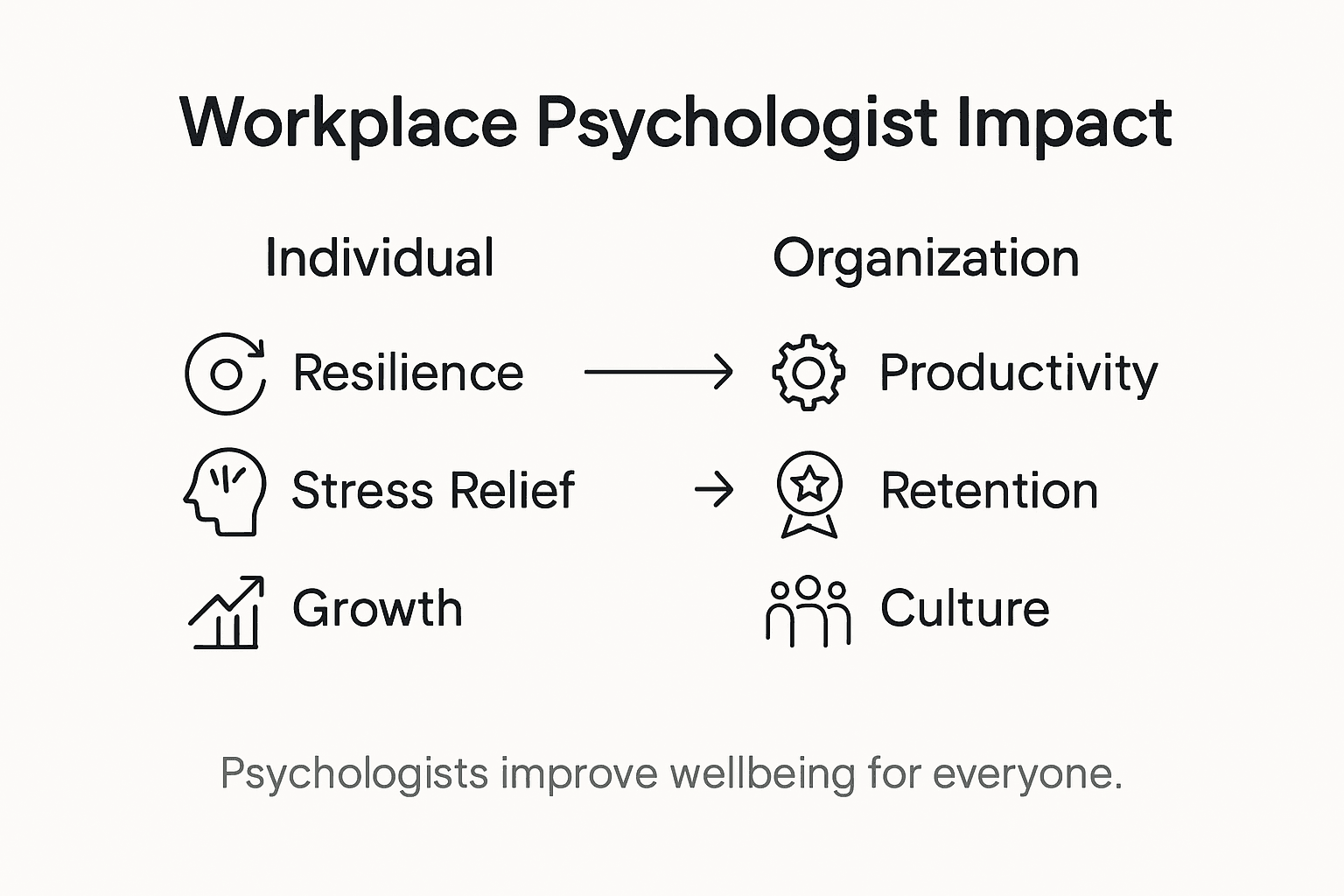
For individual professionals, psychological interventions provide critical support in developing personal resilience, emotional intelligence, and adaptive coping mechanisms. These skills enable employees to navigate complex workplace challenges, manage stress more effectively, and maintain consistent performance during periods of organizational change or personal transition. Research demonstrates that individuals who receive targeted psychological support experience improved mental health, increased job satisfaction, and enhanced capacity to contribute meaningfully to their professional environments.
Comprehensive workplace wellbeing strategies yield significant organizational benefits, directly impacting financial performance, talent retention, and competitive advantage. Organizations that prioritize psychological wellness observe measurable improvements in productivity, reduced absenteeism, lower healthcare costs, and a more engaged workforce. By creating supportive environments that value employee mental health, companies can attract top talent, foster innovation, and build resilient organizational cultures capable of adapting to rapidly changing professional landscapes.
Pro Tip: Implement quarterly psychological wellness assessments to track individual and organizational progress and refine support strategies continuously.
Practical Strategies for Implementation
Successful workplace psychological wellness requires a strategic, multifaceted approach that integrates organizational, group, and individual interventions. Effective implementation demands careful planning, continuous evaluation, and a commitment to adaptive, context-sensitive strategies that recognize the unique dynamics of each workplace environment.
At the organizational level, leaders must develop comprehensive psychological wellness frameworks that go beyond traditional employee assistance programs. This involves creating policies that explicitly support mental health, training managers in psychological awareness, and establishing systemic support mechanisms. Key strategies include developing clear communication channels, providing mental health resources, and fostering a culture that destigmatizes psychological support and encourages open dialogue about workplace wellbeing.
Evidence-based implementation requires a participatory approach that involves employees at every stage of strategy development and execution. Organizations should conduct regular surveys, focus groups, and feedback sessions to understand specific psychological needs, design targeted interventions, and continuously refine their approaches. This might include creating peer support networks, offering flexible mental health resources, implementing stress management workshops, and developing personalized wellness plans that recognize the diverse needs of different employee groups.
Pro Tip: Create a dedicated wellness committee with representatives from various organizational levels to ensure comprehensive and inclusive psychological support strategies.
Elevate Workplace Wellbeing with Expert Psychological and Mindfulness Support
The article highlights how psychologists are key to transforming workplace mental health through tailored strategies like cognitive behavioral therapy and organizational interventions. If you recognize the challenge of fostering genuine psychological safety and boosting employee resilience in your environment these are exactly the issues that Monika Varela confidently addresses. Whether you are an individual professional facing work-related stress or a company seeking systemic wellness solutions her combined expertise in psychotherapy, mindfulness, and communication skills coaching offers comprehensive support for overcoming emotional barriers and building thriving work cultures.
Take the next step toward a healthier workplace today by exploring Monika’s individualized services and corporate training options at https://monikavarela.com. Discover how her inclusively designed mindfulness workshops and public speaking coaching can empower you or your team with practical tools for resilience and sustained engagement. Don’t wait to transform mental wellness into measurable performance gains. Visit Monika Varela’s professional platform now and secure your personalized consultation to start building a psychologically safe and thriving work environment.
Frequently Asked Questions
What is the role of psychologists in workplace wellbeing?
Psychologists play a vital role in promoting workplace wellbeing by providing individual counseling, developing organizational mental health strategies, and creating supportive environments that enhance employee engagement and productivity.
How do psychologists help employees with workplace stress?
Psychologists help employees manage workplace stress through personalized counseling, stress management coaching, and the implementation of coping strategies that address specific emotional and professional challenges.
What strategies do psychologists recommend for improving employee mental health?
Psychologists recommend several strategies, including improving Employee Assistance Programs, reducing mental health stigma, and embedding wellbeing values into corporate culture to create holistic support systems for employees.
Why is psychological safety important in the workplace?
Psychological safety is crucial as it fosters open communication, constructive feedback, and mutual accountability among employees. This environment encourages collaboration and enhances overall employee satisfaction and performance.






Aún no hay comentarios, ¡añada su voz abajo!