


Over 20 million american adults have tried meditation or mindfulness in the past year, signaling a major shift in how people approach stress and mental well-being. With rising workplace pressures and personal challenges, practical strategies for emotional balance are in high demand. Mindfulness workshops stand out by offering real tools for self-awareness and resilience, helping participants build habits that support lasting mental health and personal growth.
Table of Contents
- Defining Mindfulness Workshops And Their Purpose
- Types Of Mindfulness Workshops Explained
- Typical Structure And Key Components
- Benefits For Individuals And Organizations
- Role Of Facilitators And Participant Expectations
- Choosing The Right Workshop: Key Considerations
Key Takeaways
| Point | Details |
|---|---|
| Purpose of Mindfulness Workshops | They provide structured environments for learning techniques to improve present-moment awareness and emotional regulation. |
| Types of Workshops | Various types target professional and personal development needs, including corporate wellness and personal growth. |
| Key Components | Workshops typically include guided meditation, stress reduction strategies, and group discussions to enhance skill acquisition. |
| Participant Expectations | Attendees should come with an open mindset and commit to regular practice for effective personal transformation. |
Defining Mindfulness Workshops and Their Purpose
Mindfulness workshops represent structured, intentional learning environments designed to teach individuals practical techniques for cultivating present-moment awareness and emotional regulation. Mindfulness is more than a trendy wellness concept – it’s a scientifically validated approach to mental health and personal development. As CSH University demonstrates through their comprehensive programs, these workshops offer participants systematic methods for reducing stress, improving cognitive function, and enhancing overall psychological well-being.
At their core, mindfulness workshops provide participants with structured training in meditation, breathing techniques, and mental awareness practices. According to Oxford University, these evidence-based programs aim to help individuals develop skills for managing emotional challenges, reducing anxiety, and improving mental resilience. Typical workshop components often include:
- Guided meditation sessions
- Breathing technique instruction
- Stress reduction strategies
- Cognitive awareness exercises
- Personal reflection opportunities
These workshops are not one-size-fits-all experiences but rather adaptable learning environments tailored to diverse participant needs. Whether you’re a professional seeking stress management techniques, a student wanting to improve focus, or an individual exploring personal growth, mindfulness workshops offer structured pathways to greater self-understanding. Why Join Mindfulness Workshops provides deeper insights into the transformative potential of these programs, highlighting how consistent practice can lead to significant personal and professional development.
Types of Mindfulness Workshops Explained
Mindfulness workshops are diverse and specialized, catering to different professional and personal development needs. Professional mindfulness workshops focus specifically on workplace stress management, helping employees develop resilience and emotional intelligence in high-pressure environments. Mindfulness Tools for Professionals highlights how these targeted programs can dramatically improve workplace performance and mental well-being.
These workshops can be categorized into several key types:
- Corporate Wellness Workshops: Designed for organizations seeking to improve employee mental health
- Personal Growth Workshops: Focused on individual emotional development and self-awareness
- Stress Reduction Programs: Targeted interventions for managing anxiety and emotional challenges
- Academic Performance Workshops: Tailored for students and educational professionals
- Healthcare Professional Workshops: Specialized training for medical and therapeutic practitioners
Each workshop type employs unique approaches and techniques, ranging from meditation and breathing exercises to cognitive behavioral strategies. The goal remains consistent: empowering participants with practical tools to enhance mental clarity, emotional regulation, and overall psychological wellness. Some workshops might be conducted in-person, while others offer flexible online formats to accommodate diverse learning preferences and schedules.
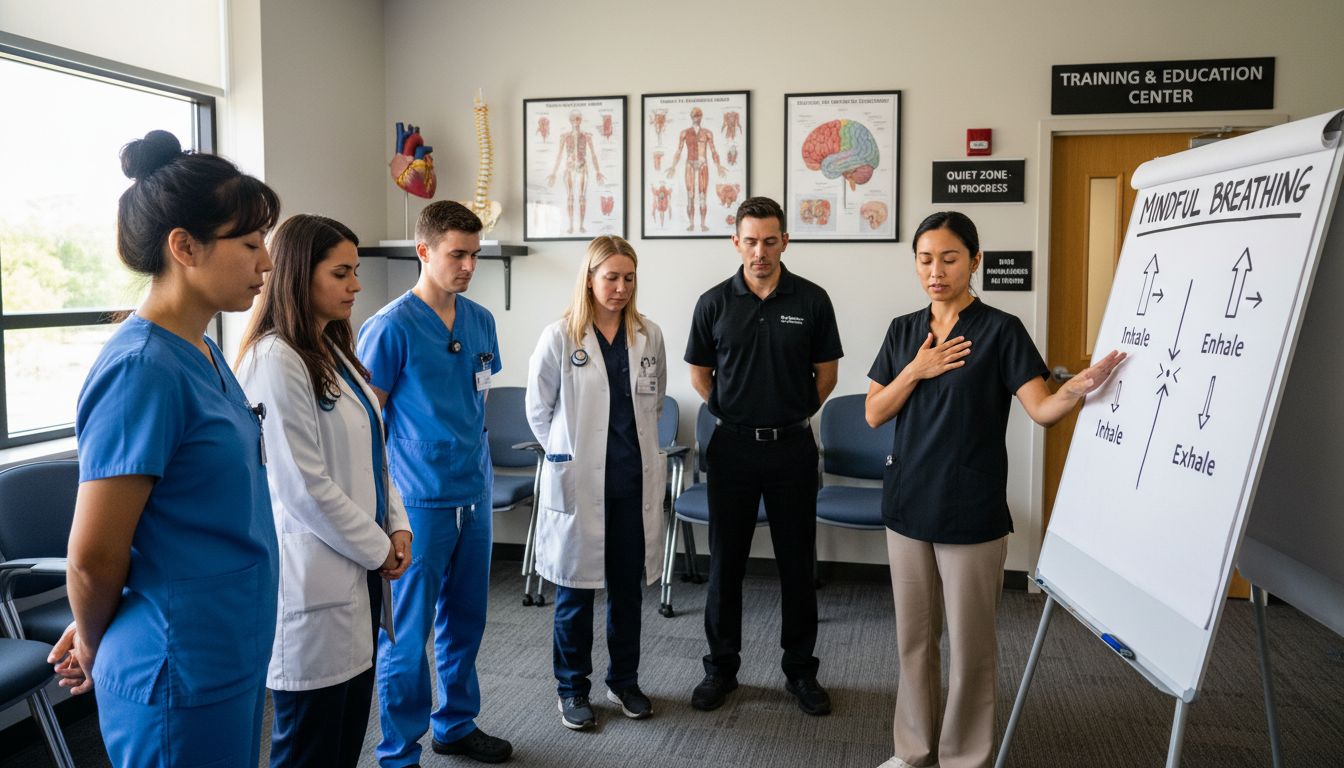
Depending on individual needs, participants can choose workshops that align with their specific personal or professional development goals. Whether seeking to reduce workplace stress, improve focus, or develop deeper self-understanding, these mindfulness workshops provide structured pathways for personal transformation and skill development.
Typical Structure and Key Components
Mindfulness workshops follow a carefully designed structure that maximizes participant learning and personal transformation. As Mindfulness Teachers Association of Ireland illustrates through their detailed MBSR program, these workshops typically span several weeks and incorporate structured learning experiences that progressively build mindfulness skills. Oxford University reinforces the academic rigor behind these programs, emphasizing the importance of systematic skill development.
A typical mindfulness workshop encompasses several critical components:
- Initial Assessment: Understanding participant background and goals
- Theoretical Foundation: Introducing mindfulness principles and scientific research
- Practical Skill Training: Guided meditation and breathing techniques
- Group Discussions: Sharing experiences and insights
- Reflection and Integration: Personal journaling and self-observation exercises
- Follow-up Resources: Continued learning materials and practice guides
Workshop duration can vary significantly, ranging from intensive one-day retreats to comprehensive eight-week programs. Most structured workshops include weekly sessions lasting two to three hours, complemented by daily home practice assignments. Participants are typically encouraged to commit to 20-45 minutes of personal mindfulness practice between sessions, creating a holistic learning environment that extends beyond classroom interactions.
The ultimate goal of these workshops is not just theoretical knowledge, but practical skill acquisition. By combining experiential learning, expert guidance, and structured practice, mindfulness workshops provide participants with tangible tools for stress management, emotional regulation, and personal growth.
These programs transform abstract concepts into actionable strategies that can be integrated into daily life, making mindfulness an accessible and transformative practice for individuals from all backgrounds.
Benefits for Individuals and Organizations
Mindfulness workshops deliver transformative benefits that extend far beyond simple stress reduction, creating meaningful impacts for both individuals and organizational ecosystems. AISL Mall highlights how targeted mindfulness techniques can dramatically improve performance and emotional resilience across various professional and personal contexts.
For individuals, these workshops offer substantial personal development advantages:
- Enhanced Emotional Intelligence: Better self-regulation and interpersonal understanding
- Reduced Stress and Anxiety: Improved coping mechanisms for challenging situations
- Increased Focus and Concentration: Greater mental clarity and cognitive performance
- Improved Mental Health: Techniques for managing depression and emotional challenges
- Personal Growth: Deeper self-awareness and psychological flexibility
Organizations implementing mindfulness workshops experience significant workplace benefits. These programs can lead to reduced employee burnout, enhanced team collaboration, and improved overall workplace productivity. By investing in employee mental wellness, companies create more resilient, engaged, and innovative work environments. The ripple effect of mindfulness training extends beyond individual participants, potentially transforming entire organizational cultures.
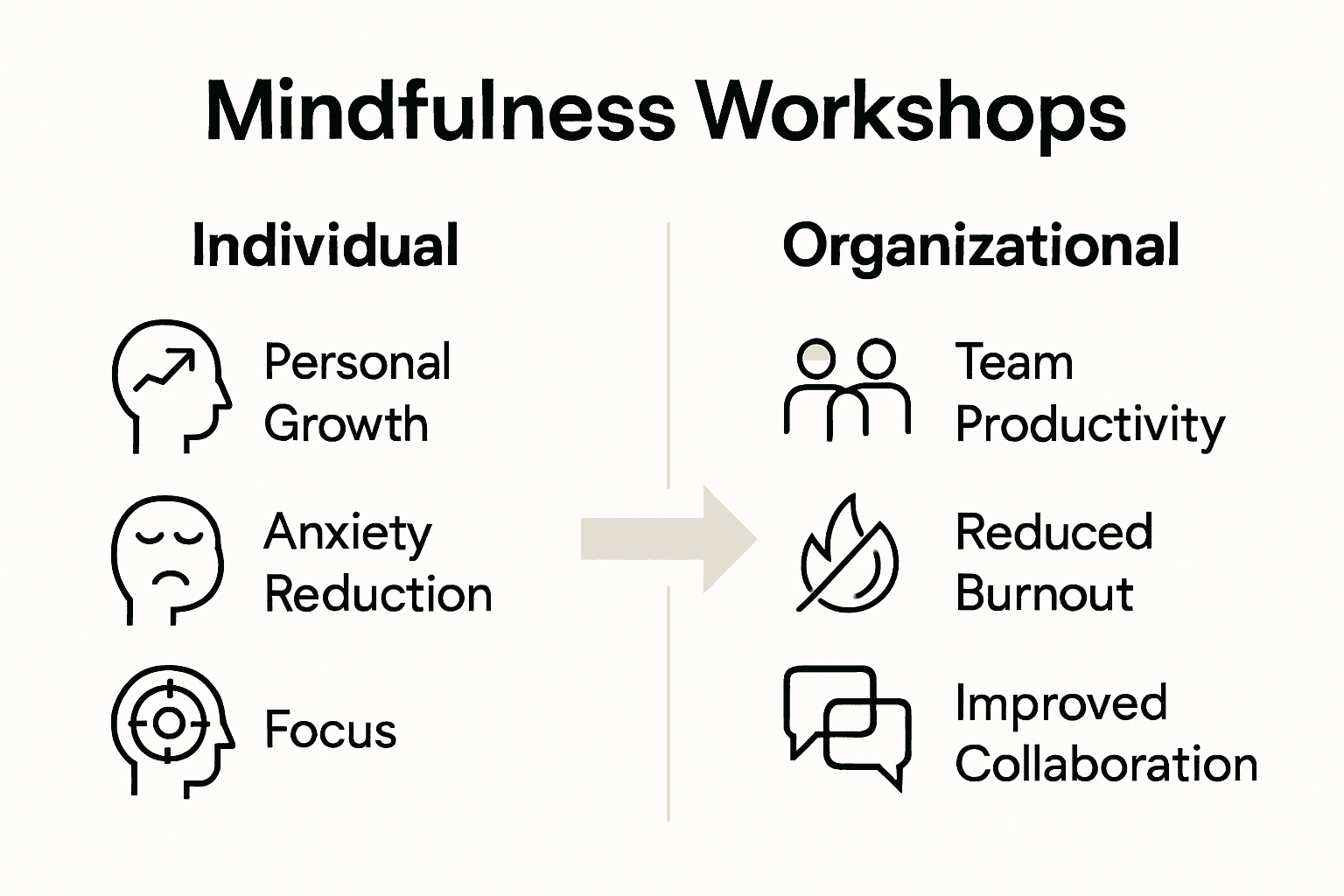
The most compelling aspect of mindfulness workshops is their adaptability. Whether addressing academic performance, professional development, or personal growth, these programs provide scalable strategies that meet diverse participant needs. By integrating practical skills with evidence-based techniques, mindfulness workshops offer a powerful approach to holistic personal and professional development.
Role of Facilitators and Participant Expectations
Mindfulness facilitators play a critical role in guiding participants through transformative learning experiences. Oxford University emphasizes the importance of professional training that equips facilitators with sophisticated skills in creating supportive, educational environments that foster personal growth and psychological insight.
Key responsibilities of mindfulness workshop facilitators include:
- Creating Safe Learning Spaces: Establishing non-judgmental, compassionate group dynamics
- Providing Expert Guidance: Offering scientifically grounded mindfulness techniques
- Modeling Mindful Behaviors: Demonstrating authentic presence and emotional regulation
- Facilitating Group Interactions: Encouraging shared learning and mutual support
- Offering Personalized Support: Addressing individual participant challenges and goals
Participants should approach mindfulness workshops with realistic expectations and an open mindset. Successful engagement requires commitment to personal practice, willingness to explore inner experiences, and patience with the learning process. Unlike quick-fix solutions, mindfulness workshops demand active participation, regular practice, and a genuine desire for self-understanding. Participants can expect to develop practical skills, gain psychological insights, and gradually cultivate greater emotional resilience through consistent, guided practice.
The most effective mindfulness workshops create a collaborative learning environment where facilitators serve as experienced guides rather than authoritative instructors. By balancing structured techniques with flexibility, these professionals help participants discover personal pathways to mental clarity, emotional balance, and increased self-awareness.
Choosing the Right Workshop: Key Considerations
Mindfulness workshops require careful selection to ensure maximum personal and professional benefit. Earl E. Bakken Center recommends a strategic approach to evaluating potential programs, emphasizing the importance of aligning workshop characteristics with individual learning goals and expectations.
Critical factors to consider when selecting a mindfulness workshop include:
- Facilitator Credentials: Professional training and demonstrated expertise in mindfulness practices
- Workshop Structure: Clear curriculum, duration, and learning objectives
- Learning Format: In-person, online, or hybrid delivery options
- Specialized Focus: Industry-specific or general mindfulness approaches
- Group Size: Intimate settings versus larger group environments
- Cost and Accessibility: Program pricing and scheduling flexibility
Individuals and organizations should conduct thorough research before committing to a mindfulness workshop. This involves reviewing facilitator backgrounds, examining program testimonials, and understanding the specific methodological approach used. Some workshops focus on stress reduction, while others emphasize personal growth or professional development. The most effective programs provide a comprehensive framework that combines theoretical knowledge with practical, actionable techniques.
Ultimately, the right mindfulness workshop should feel like a personalized journey of self-discovery. Potential participants should trust their intuition, ask detailed questions about the program’s methodology, and select a workshop that resonates with their unique psychological and professional needs. Successful engagement depends not just on the workshop’s content, but on the participant’s willingness to approach the experience with openness, curiosity, and a commitment to personal transformation.
Discover Personalized Mindfulness Solutions for Lasting Wellness
Mindfulness workshops can feel overwhelming when searching for meaningful stress reduction, emotional balance, or professional growth. The guide highlights the challenges of choosing the right structure, facilitator, and format to truly build mental resilience and clarity. If you want to avoid one-size-fits-all programs and instead experience workshops tailored to your unique goals, such as enhancing emotional intelligence or managing anxiety, there is a thoughtful path forward.
Explore expert-led workshops and coaching with Monika Varela, a licensed psychologist and mindfulness coach who integrates evidence-based techniques with compassionate guidance. Visit Monika Varela’s website to learn how personalized mindfulness training can transform your daily life and professional performance. Start your journey today by discovering Why Join Mindfulness Workshops and enhance your wellbeing with proven strategies designed for real-world impact.
Frequently Asked Questions
What is the purpose of mindfulness workshops?
Mindfulness workshops aim to teach participants practical techniques for cultivating present-moment awareness, emotional regulation, and overall psychological well-being through structured learning environments.
What types of mindfulness workshops are available?
Mindfulness workshops can include corporate wellness programs, personal growth sessions, stress reduction courses, academic performance workshops, and specialized training for healthcare professionals, each tailored to different needs.
What can participants expect to learn in a mindfulness workshop?
Participants can expect to learn guided meditation, breathing techniques, cognitive awareness exercises, and stress reduction strategies, along with opportunities for personal reflection and group discussions.
How do I choose the right mindfulness workshop for my needs?
When choosing a mindfulness workshop, consider factors such as facilitator credentials, workshop structure, learning format, specialized focus, group size, and overall cost and accessibility.





Aún no hay comentarios, ¡añada su voz abajo!