


Did you know that over 80 percent of our communication is nonverbal ? Strong communication skills have the power to build trust, resolve conflict, and improve relationships at work and home. Whether you want to have better conversations or share your ideas more clearly, mastering a few key techniques can help you connect with people on a deeper level and make every interaction more meaningful.
Table of Contents
- 1. Start With Active Listening Techniques
- 2. Use Clear And Simple Language
- 3. Practice Nonverbal Communication Cues
- 4. Master Assertive Speaking Methods
- 5. Ask Effective And Open-Ended Questions
- 6. Give And Receive Constructive Feedback
- 7. Adapt Communication To Different Contexts
Quick Summary
| Takeaway | Explanation |
|---|---|
| 1. Practice Active Listening | Engage fully with speakers to build meaningful connections through focused attention and nonverbal cues. |
| 2. Use Clear and Simple Language | Choose simple words to enhance understanding and avoid unnecessary complexity in communication. |
| 3. Master Nonverbal Communication | Your body language conveys interest and engagement; maintain eye contact and open posture to connect better. |
| 4. Embrace Assertive Speaking | Clearly express your thoughts while respecting others, using ‘I’ statements to foster constructive dialogue. |
| 5. Ask Open-Ended Questions | Encourage deeper conversations by using questions that invite elaboration, enhancing connection and understanding. |
1. Start With Active Listening Techniques
Active listening is the foundational skill that transforms ordinary conversations into meaningful connections. At its core, this technique requires you to be fully present and engaged with the person speaking, moving far beyond simply hearing words.
To become an exceptional active listener, you must first understand that listening is not a passive activity but an intentional practice . According to research from Asana , effective active listening involves being completely focused on the speaker, demonstrating positive body language, and avoiding interruptions.
The magic of active listening happens when you create a safe communication environment. This means maintaining comfortable eye contact, nodding to show understanding, and using open body postures that signal you are genuinely interested. Your physical demeanor communicates as much as your verbal responses.
Key components of active listening include :
- Maintaining eye contact
- Using encouraging facial expressions
- Avoiding defensive or judgmental reactions
- Staying mentally present
One powerful technique is paraphrasing the speaker’s message. After they share something, briefly restate what you understood in your own words. This confirms your comprehension and shows the speaker you are truly processing their communication. For example, if someone says “I’m feeling overwhelmed at work,” you might respond with “So it sounds like the current workload is creating significant stress for you.”
Ask open-ended questions that encourage deeper exploration. These questions cannot be answered with simple “yes” or “no” responses and invite the speaker to elaborate on their thoughts and feelings. Questions like “How are you experiencing this?” or “What does that mean to you?” create space for more meaningful dialogue.
Practicing active listening requires patience and genuine curiosity. Start small by committing to being fully present in your next conversation. Put away distractions like your phone, focus on the speaker, and listen with the intention of understanding rather than preparing your response.
2. Use Clear and Simple Language
Communication is an art of connection, and the paintbrush you use is language. Your words are powerful instruments that can either build bridges of understanding or create walls of confusion.
According to research from Asana, communicating with clear and simple language is about selecting words that are straightforward and avoiding unnecessary complexity. Simplicity is the ultimate sophistication in effective communication.
When you communicate, imagine you are explaining a concept to a friend who knows nothing about the topic. This mindset naturally pushes you to break down complex ideas into digestible pieces. Technical jargon and academic language might sound impressive, but they often create distance between you and your listener.
Principles of clear communication include:
- Using everyday language
- Breaking complex ideas into smaller parts
- Avoiding unnecessary professional terminology
- Checking for audience understanding
Practical strategies for simplifying your language involve conscious word selection. Replace multisyllabic words with simpler alternatives. Instead of saying “utilize,” say “use.” Instead of “communicate effectively,” say “speak clearly.” These small shifts make your message more accessible and engaging.
Context matters immensely. The language you use with a professional colleague will differ from how you speak with a friend or family member. Always consider your audience and adapt your communication style accordingly.
To practice clear communication, try the explain like I am five (ELI5) technique. Challenge yourself to explain a complex concept so simply that a child could understand it. This exercise forces you to distill information to its essence and eliminate unnecessary complexity.
Remember that clear communication is not about dumbing down your message but about making it as transparent and understandable as possible. Your goal is to connect, not to impress. When your language is simple and direct, people are more likely to listen, understand, and engage with what you are saying.
3. Practice Nonverbal Communication Cues
Nonverbal communication speaks volumes before a single word is uttered. Your body language can either draw people closer or push them away faster than any spoken message.
Research from Asana reveals that nonverbal cues like maintaining eye contact, nodding, and using appropriate facial expressions play a critical role in active listening. According to BuiltIn, effective nonverbal communication goes beyond simple gestures and involves creating a complete picture of engagement.
Nonverbal communication is the silent language of connection. It communicates your level of interest, emotional state, and receptiveness without saying a word. Think of your body as a communication instrument that continuously sends signals to others.
Key nonverbal communication strategies include:
- Maintaining steady eye contact
- Using open body postures
- Matching the speaker’s energy level
- Showing genuine facial expressions
- Leaning slightly forward to demonstrate interest
Body positioning communicates more than most people realize. An open posture with uncrossed arms signals receptiveness. When you lean slightly forward, you demonstrate active engagement. Mirroring the speaker’s body language subtly can create a sense of rapport and understanding.
Facial expressions are powerful communication tools. A warm smile, genuine eye contact, and attentive facial responses show you are truly present. Avoid poker face reactions that make you seem disinterested or disconnected.
Practical application requires self awareness. Record yourself during conversations to understand your current nonverbal communication patterns. Practice in front of a mirror to develop more intentional and welcoming body language.
Remember that nonverbal communication is about authenticity. Do not try to fake interest or engagement. Genuine curiosity and respect will naturally manifest through your body language, creating more meaningful connections.
4. Master Assertive Speaking Methods
Assertive speaking is the powerful art of expressing yourself confidently while respecting others. It stands as a balanced communication approach that sits perfectly between passive and aggressive communication styles.
According to research from Asana, developing assertive speaking skills requires confidence in expressing your ideas and needs clearly while simultaneously listening actively and responding thoughtfully to others.
Assertive communication is about creating mutual understanding and establishing healthy boundaries. It allows you to articulate your thoughts and feelings directly without being confrontational or apologetic. Think of it as speaking your truth with kindness and respect.
Key principles of assertive speaking include:
- Using clear and direct language
- Expressing feelings without blame
- Maintaining calm and steady body language
- Listening actively to others
- Respecting personal and others boundaries
The core of assertive speaking involves using I statements. Instead of saying “You always interrupt me,” try “I feel frustrated when I am not allowed to complete my thoughts.” This approach focuses on your experience without attacking the other person.
Voice tone and body language play crucial roles in assertive communication. Maintain a steady volume moderate pace and confident posture. Your nonverbal cues should match the calm directness of your words. Speak from a place of self respect without aggression or passive submission.
Practical application requires consistent practice. Start with low stakes conversations like requesting a restaurant table or providing feedback to a colleague. Observe how you can express yourself clearly and respectfully. Pay attention to your internal dialogue and challenge any self doubt that might prevent you from speaking up.
Remember that assertive communication is a skill that improves with practice. Be patient with yourself. Each time you speak up authentically you build confidence and create more genuine connections. The goal is not to win but to communicate effectively and create mutual understanding.
5. Ask Effective and Open-Ended Questions
Questioning is an art form that transforms ordinary conversations into meaningful dialogues. The right question can unlock deeper understanding, invite vulnerability, and create profound connections.
According to research from Asana, open-ended questions encourage speakers to elaborate on their thoughts and feelings. As The BD School notes, effective questioning prompts detailed responses that enhance dialogue quality and build rapport.
Open-ended questions are conversation catalysts. Unlike closed questions that generate simple yes or no answers, they invite expansive storytelling and deeper exploration. They demonstrate genuine curiosity and create space for authentic expression.
Characteristics of powerful open-ended questions include:
- Starting with “how” or “what”
- Avoiding judgmental language
- Showing genuine interest
- Allowing the speaker to guide the conversation
- Promoting reflection and depth
Transform typical questions by removing predictable constraints. Instead of asking “Did you enjoy work today?” try “What was the most interesting part of your day?” The second approach invites storytelling and provides richer insights.
The art of questioning requires active listening and genuine curiosity. Pay attention to the speaker emotional undertones and follow up with thoughtful inquiries that demonstrate you are truly hearing them. Your questions should feel like gentle invitations, not interrogations.
Practical application involves practicing mindful curiosity. Challenge yourself to ask questions that begin with “how” or “what” which naturally expand conversational possibilities. For instance, replace “Are you stressed?” with “How are you experiencing your current challenges?”
Remember that great questions come from a place of authentic interest. When you approach conversations with genuine curiosity, your questions will naturally become more thoughtful, nuanced, and meaningful. The goal is connection, not information gathering.
6. Give and Receive Constructive Feedback
Feedback is the breakfast of champions, transforming potential into performance. It represents a powerful communication tool that can either build bridges of understanding or create walls of defensiveness.
According to research from Asana, constructive feedback must be delivered respectfully, focusing on behaviors rather than personal attributes. The art of feedback is about creating a supportive environment where growth becomes possible.
Constructive feedback is a two way street that requires both emotional intelligence and genuine intention. When giving feedback, your goal is not to criticize but to support improvement and understanding.
Essential principles of effective feedback include:
- Focusing on specific behaviors
- Using a supportive tone
- Offering actionable suggestions
- Maintaining empathy
- Creating a safe communication space
When giving feedback, start with positive observations before addressing areas of improvement. Use “I” statements that describe your perspective without attacking. For example, “I noticed that the report could benefit from more detailed analysis” sounds more constructive than “Your report is incomplete.”
Receiving feedback requires equal skill and emotional maturity. Listen actively without becoming defensive. Your first response should be curiosity rather than justification. Ask clarifying questions to understand the feedback thoroughly.
Practical strategies involve creating a feedback framework. Before delivering feedback, ask yourself: Is this observation helpful? Is it kind? Is it necessary? These questions help ensure your communication remains constructive and supportive.
Remember that feedback is a gift of perspective. Whether you are giving or receiving it, approach the conversation with openness, respect, and a genuine desire to understand. The most powerful feedback creates mutual learning and growth.
7. Adapt Communication to Different Contexts
Communication is not a one size fits all experience. Like a skilled chameleon, effective communicators seamlessly adjust their approach to match the unique landscape of each interaction.
Research from Asana highlights that exceptional communicators adjust their language, tone, and nonverbal cues to align with specific contexts and audiences. This adaptability enhances understanding and engagement across diverse scenarios.
Communication flexibility is your superpower. It requires emotional intelligence, self awareness, and the ability to read social dynamics quickly. Your message remains consistent, but your delivery transforms to suit the environment.
Key strategies for context adaptation include:
- Reading the room
- Adjusting language complexity
- Matching communication styles
- Understanding cultural nuances
- Recognizing emotional temperature
In professional settings, your communication might be more structured and formal. With close friends, you can be more relaxed and casual. The core message remains the same, but the packaging changes to ensure maximum resonance.
Nonverbal communication plays a critical role in context adaptation. Your body language, tone of voice, and energy level should subtly shift to match the environment. In a high stakes business meeting, you will communicate differently than during a casual team lunch.
Practical application involves developing communication agility. Pay attention to social cues. Listen more than you speak. Observe how others communicate and mirror their style appropriately. This does not mean losing your authenticity but finding flexible ways to connect.
Remember that great communication is about connection, not perfection. By becoming adaptable, you create bridges of understanding across different social landscapes. Your ability to read and respond to context demonstrates true communication mastery.
Below is a comprehensive table summarizing the key communication techniques and strategies discussed throughout the article.
| Technique | Description | Key Components |
|---|---|---|
| Active Listening | Transform conversations into meaningful connections by being fully present and engaged. | Maintain eye contact, use open body language, paraphrase, ask open-ended questions. |
| Clear & Simple Language | Communicate effectively by using straightforward words to avoid confusion. | Use everyday language, break complex ideas into smaller parts, adapt style to audience. |
| Nonverbal Communication | Use body language to enhance engagement and connection. | Maintain eye contact, use open postures, mirror speaker’s body language. |
| Assertive Speaking | Express yourself confidently with respect and clarity. | Use “I” statements, maintain calm body language, listen actively. |
| Open-Ended Questions | Foster deeper dialogue and understanding through thoughtful questioning. | Start with “how” or “what,” show genuine interest, avoid judgment. |
| Constructive Feedback | Enhance growth and understanding through respectful feedback. | Focus on behaviors, use a supportive tone, offer actionable suggestions. |
| Context Adaptation | Adjust communication style to fit different environments and audiences. | Read the room, adapt language complexity, recognize social cues. |
Elevate Your Communication Skills with Expert Guidance
Struggling to master active listening, assertive speaking, or adapting your communication style? The pain of feeling misunderstood or unable to express yourself clearly can create frustration and distance in both personal and professional relationships. This checklist of “7 Steps to Effective Communication Skills” highlights crucial areas like nonverbal cues, open-ended questions, and constructive feedback that often challenge even the most motivated learners. If you want to transform these hurdles into powerful connection tools, you need a tailored approach that addresses your unique needs and boosts your confidence.
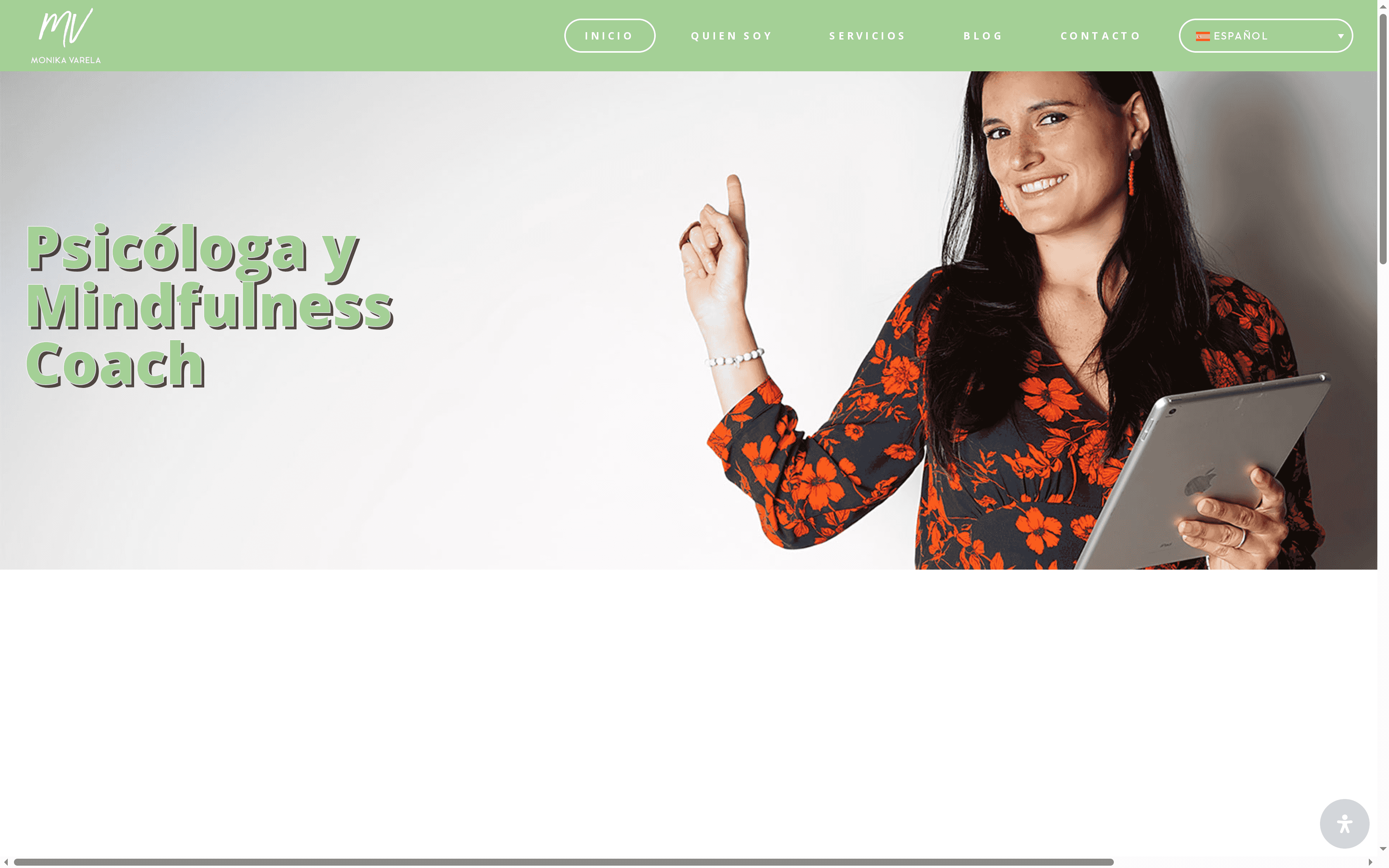
Take the next step toward authentic and impactful communication by exploring Monika Varela’s professional services. With expert psychotherapy, mindfulness coaching, and communication skills training, Monika offers practical strategies designed to help you listen deeply, speak assertively, and adapt effortlessly across different contexts. Don’t wait to unlock your full communication potential. Visit Monikavarela.com today for accessible support and book your session now to start building meaningful connections with clarity and confidence.
Frequently Asked Questions
What are the key steps in the effective communication skills checklist?
The key steps in the effective communication skills checklist include active listening, using clear language, practicing nonverbal cues, mastering assertive speaking, asking open-ended questions, giving and receiving constructive feedback, and adapting communication to different contexts. To implement this checklist, focus on one step per conversation and practice consistently over time.
How can I improve my active listening skills?
To improve your active listening skills, commit to being fully present during conversations. Practice maintaining eye contact, using encouraging body language, and paraphrasing what the speaker has said to ensure understanding.
What techniques can I use to ask more effective open-ended questions?
Use open-ended questions to invite deeper responses, starting your questions with





Aún no hay comentarios, ¡añada su voz abajo!