


Most American professionals in high-pressure fields like technology and finance feel the impact of chronic workplace stress, with rates soaring above 60 percent in some recent studies. In demanding careers where performance is everything, unchecked stress can erode productivity, mental health, and job satisfaction. This guide offers practical mindfulness techniques, showing you simple ways to build calm and resilience at work so you can stay sharp and balanced through every challenge.
Table of Contents
- Step 1: Prepare Your Mindful Environment
- Step 2: Identify Personal Stress Signals
- Step 3: Apply Core Mindfulness Techniques
- Step 4: Integrate Mindful Habits Into Routine
- Step 5: Evaluate Progress And Adjust Strategies
Quick Summary
| Key Point | Explanation |
|---|---|
| 1. Create a Calm Workspace | Design your environment to minimize distractions and incorporate elements that promote tranquility, such as plants or natural light. |
| 2. Recognize Your Stress Signals | Identify personal indicators of stress, such as physical tension or emotional shifts, to intervene before burnout occurs. |
| 3. Practice Mindfulness Techniques | Use core techniques like focused breathing and body scan meditation to manage stress effectively and enhance emotional resilience. |
| 4. Integrate Mindfulness Into Routine | Embed mindful practices into daily activities, like taking deep breaths or setting intentions, to cultivate a consistent sense of calm. |
| 5. Evaluate and Adjust Regularly | Reflect on your mindfulness journey, tracking progress and adapting strategies based on your evolving stress management needs. |
Step 1: Prepare Your Mindful Environment
Creating a mindful workspace is your strategic first move toward managing workplace stress effectively. Your physical environment plays a crucial role in supporting mental clarity and emotional balance.
Start by transforming your immediate surroundings into a sanctuary of calm. Workplace mindfulness experts recommend designating specific areas that invite tranquility and focus. This might mean clearing your desk of unnecessary clutter, positioning your workstation near natural light, or adding a small plant that connects you with nature. Consider noise reduction strategies like noise-cancelling headphones or positioning yourself away from high traffic areas. Your goal is to create a physical space that signals to your brain: “This is a zone of peace.”
An intentional environment goes beyond physical arrangements. It involves setting visual and sensory cues that remind you to stay present. A small meditation cushion tucked in a corner, a calming artwork, or even a discreet mindfulness reminder can subtly shift your mental landscape. The key is designing a workspace that supports your stress management goals without feeling contrived or overwhelming.
Pro tip: Choose one consistent visual anchor in your workspace that immediately grounds you when stress begins to rise.
Step 2: Identify Personal Stress Signals
Understanding your unique stress signals is crucial for proactive mental health management. Learning to recognize these early warning signs allows you to intervene before stress escalates into burnout.
Psychological research demonstrates that individual stress responses vary significantly across different people. Your stress signals might manifest physically through tension headaches, rapid heartbeat, or muscle tightness. Emotionally, you could experience increased irritability, sudden mood swings, or a sense of mental fog. Pay close attention to subtle shifts in your body and mind. Do your shoulders feel unusually tight? Are you experiencing difficulty concentrating? Notice when your breathing becomes shallow or your jaw starts clenching. These are personal indicators that your stress levels are rising.
Here’s a summary comparing common workplace stress signals and suggested mindfulness responses:
| Stress Signal | Physical Indicator | Emotional Indicator | Mindfulness Response |
|---|---|---|---|
| Tension Headache | Pressure in temples | Irritability | Focused breathing exercises |
| Tight Shoulders | Muscle stiffness | Mental fog | Body scan meditation |
| Rapid Heartbeat | Racing pulse | Difficulty concentrating | Micro mindfulness breaks |
Start tracking these signals by keeping a brief daily journal. Note physical sensations, emotional states, and triggers that seem to spark your stress response. Over time, you will develop a personalized map of your stress landscape, enabling faster and more effective interventions when challenges arise.
Pro tip: Create a quick reference card listing your top three personal stress signals to help you recognize them quickly in high pressure moments.
Step 3: Apply Core Mindfulness Techniques
Mastering core mindfulness techniques provides you with powerful tools to manage workplace stress effectively and restore your inner balance. These practical strategies will help you transform your emotional landscape and develop resilience.
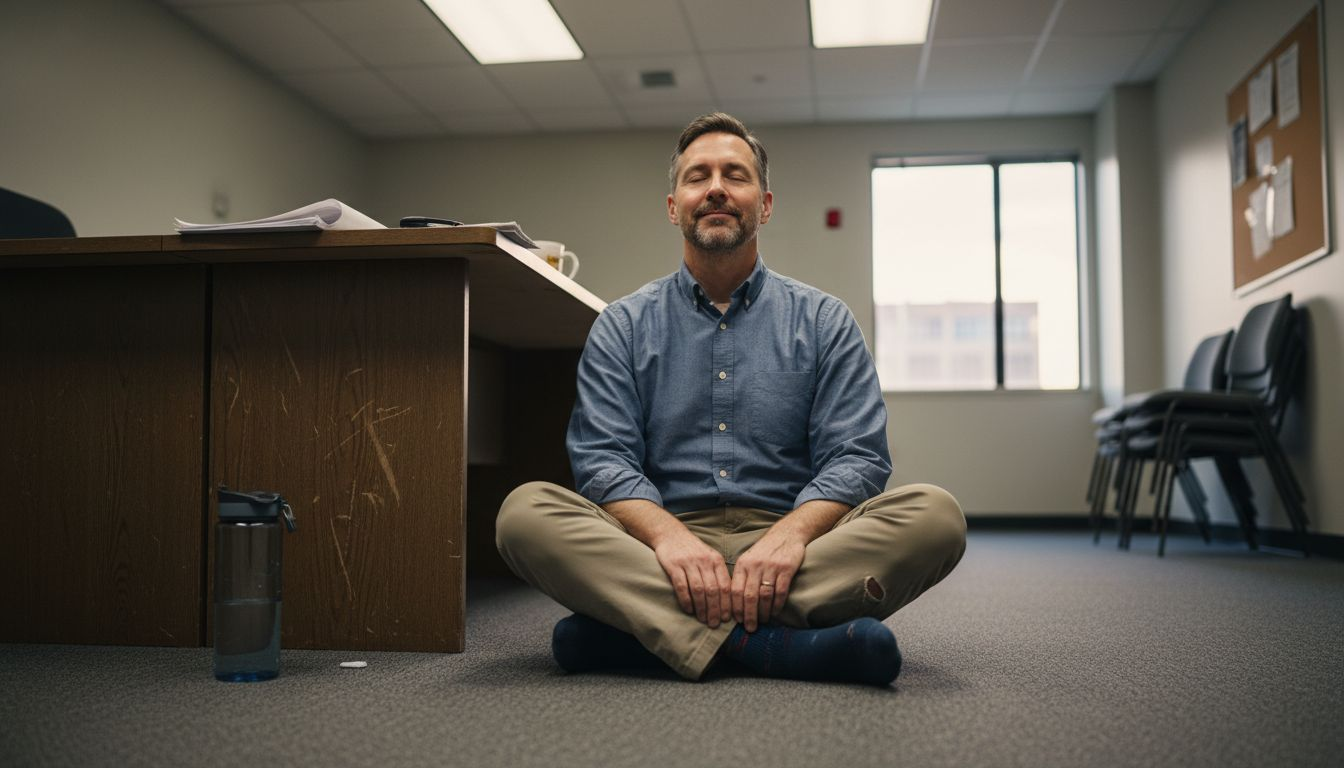
Evidence-based mindfulness practices offer systematic approaches to reducing stress that can be easily integrated into your daily routine. Begin with focused breathing exercises. Sit comfortably and direct your attention to your breath. Inhale deeply through your nose for four counts, hold for two, then exhale slowly through your mouth for six counts. This simple technique activates your parasympathetic nervous system, immediately signaling your body to relax. Another powerful method is the body scan meditation. Close your eyes and systematically move your mental attention from your toes to the top of your head, noticing physical sensations without judgment. This practice helps you disconnect from spiraling thoughts and reconnect with your physical present moment.
Consistent practice is key to making these techniques effective. Start with short five-minute sessions and gradually increase duration as you become more comfortable. Remember that mindfulness is a skill that improves with repetition. Some days will feel easier than others, and that is perfectly normal. The goal is not perfection but persistent, gentle attention to your inner experience.
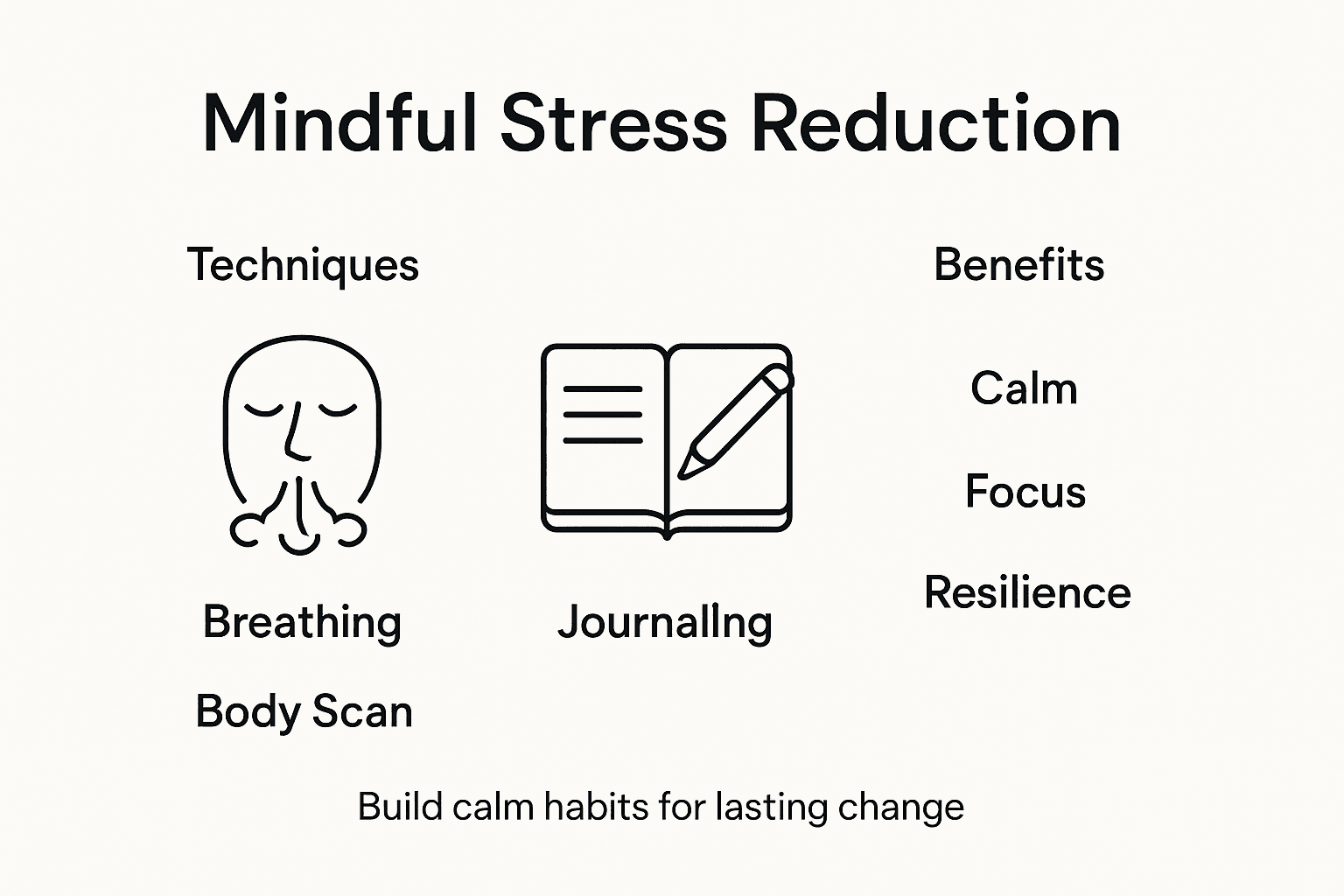
To clarify the impact of different mindfulness techniques, see the table below:
| Technique | Typical Duration | Main Benefit | Daily Integration Tip |
|---|---|---|---|
| Focused Breathing | 5-10 minutes | Reduces physical tension | Set a phone reminder |
| Body Scan Meditation | 10-15 minutes | Enhances bodily awareness | Practice during lunch break |
| Micro Mindfulness Break | 1-2 minutes | Quickly resets mental state | Pause before starting a meeting |
Pro tip: Set a daily smartphone reminder for your mindfulness practice to help build a consistent habit.
Step 4: Integrate Mindful Habits into Routine
Transforming workplace stress management requires more than sporadic techniques. You need a systematic approach that embeds mindfulness seamlessly into your daily professional life.
Workplace mindfulness strategies recommend creating intentional moments of calm throughout your workday that do not disrupt your workflow. Start by setting a clear daily intention each morning. Before opening your email or launching into tasks, take three deep breaths and consciously decide how you want to approach the day. This might mean choosing to respond rather than react to challenges or committing to maintaining inner balance regardless of external pressures. Integrate micro mindfulness breaks into your schedule. These can be as brief as 60 seconds between meetings or while waiting for your computer to boot up. Close your eyes, focus on your breathing, and reset your mental state.
Consider anchoring mindful moments to existing routines. For instance, practice a quick body scan while brewing your morning coffee or take mindful breaths during your commute. The goal is not to add more tasks to your day but to transform existing moments into opportunities for presence and calm. By weaving mindfulness into your established patterns, you make these practices feel natural and sustainable.
Pro tip: Use existing technology like smartphone reminders or calendar blocks to prompt short mindfulness interventions throughout your workday.
Step 5: Evaluate Progress and Adjust Strategies
Mindfulness is a dynamic journey that requires ongoing reflection and adaptation. Your stress management approach should be as flexible and responsive as you are.
Scientific research emphasizes the critical importance of systematic evaluation in workplace mental health interventions to ensure lasting effectiveness. Begin by establishing clear, measurable markers of your mindfulness progress. These might include tracking your stress levels, emotional regulation, sleep quality, or workplace productivity. Create a simple weekly journal where you record your observations. Note how many mindfulness practices you completed, your subjective stress levels, and any noticeable shifts in your emotional landscape. Pay attention to patterns. Are certain techniques more effective during high pressure periods? Do some practices consistently help you feel more centered?
Remember that progress is rarely linear. Some weeks you will feel more centered and connected than others. The goal is not perfection but consistent, compassionate self-observation. Be willing to experiment and modify your approach. If a particular mindfulness technique is not resonating, try a different method. Mindfulness is deeply personal, and what works for one professional might not work for another. Treat your mental wellness strategy as a living document that evolves with your changing professional and personal needs.
Pro tip: Schedule a monthly self review to honestly assess your mindfulness practices and make intentional adjustments.
Find Lasting Calm with Expert Mindfulness Support
Workplace stress can feel overwhelming when signals like tension headaches and mental fog start to appear. This article highlights the importance of recognizing your unique stress cues and applying mindfulness techniques that create real, lasting calm. If you are ready to transform your work environment and daily habits into a sanctuary of presence and resilience, expert guidance can make all the difference.
Discover how Monika Varela, a psychologist and mindfulness coach, can help you integrate personalized mindfulness practices into your professional life. With tailored psychotherapy, coaching, and workshops, Monika empowers individuals and teams to embrace stress management that fits their unique needs. Take the first step toward greater emotional balance and workplace well-being by visiting Monikavarela.com now to book a consultation or learn more about her transformative services.
Frequently Asked Questions
How can I create a mindful environment at work?
To create a mindful environment, start by decluttering your workspace and introducing calming elements like plants or artwork. Position your workstation near natural light and consider using noise-canceling headphones to minimize distractions.
What are common personal stress signals I should look out for?
Common stress signals include physical symptoms like tension headaches and emotional signs like irritability or difficulty concentrating. Pay attention to your body and emotions, and track these indicators in a journal to identify patterns and triggers.
What are some effective core mindfulness techniques for stress management?
Effective mindfulness techniques include focused breathing and body scan meditation. Practice focused breathing by inhaling deeply for four counts, holding for two, and exhaling for six counts to reduce tension, starting with just five minutes each day.
How can I integrate mindfulness into my daily work routine?
To integrate mindfulness, set daily intentions each morning and take micro mindfulness breaks throughout your day. For instance, pause for a minute to breathe deeply before starting a meeting or during your lunch break to reset your mental state.
How do I evaluate my progress with mindfulness practices?
Evaluate your mindfulness progress by keeping a weekly journal noting your stress levels and emotional states after practicing mindfulness techniques. This reflection will help you identify which practices work best and allow you to adjust your approach as needed.
What should I do if I find a mindfulness technique isn’t working for me?
If a mindfulness technique isn’t resonating, be open to experimenting with different methods to find what suits you best. Consider at least three alternative techniques trying over the next month to see if any better help with your stress management.
Recommended
- Role of Mindfulness in Organizations – Lasting Impact at Work – Mónika Varela
- Role of Mindfulness in Stress Reduction: Complete Guide – Mónika Varela
- What Are Mindfulness Workshops? Complete Guide 2024 – Mónika Varela
- Best 7 Mindfulness Tools for Professionals – Expert Comparison 2025 – Mónika Varela





Aún no hay comentarios, ¡añada su voz abajo!