


Over half of American adults report feeling stressed every day, yet many are unsure how to build real connections through mindfulness groups. When objectives are unclear or group members’ needs are overlooked, meaningful progress can be elusive. By understanding exactly what American participants hope to gain and creating inclusive spaces, you can turn mindfulness sessions into genuinely supportive experiences for everyone involved.
Table of Contents
- Step 1: Define Group Objectives And Participant Needs
- Step 2: Design Inclusive And Accessible Mindfulness Sessions
- Step 3: Establish A Supportive Group Environment
- Step 4: Facilitate Engaging Mindfulness Practices
- Step 5: Evaluate Participant Progress And Session Effectiveness
Quick Summary
| Key Insight | Explanation |
|---|---|
| 1. Define Clear Objectives | Establish clear goals after understanding participant needs for meaningful experiences. |
| 2. Create Inclusive Sessions | Design mindfulness sessions catering to diverse learning styles and physical capabilities. |
| 3. Foster a Supportive Environment | Build a safe space through group agreements and respectful engagement to encourage sharing. |
| 4. Facilitate Dynamic Practices | Transform sessions with interactive techniques to maintain participant interest and connection. |
| 5. Evaluate Progress Effectively | Use diverse assessment methods to gauge participant growth beyond simple satisfaction surveys. |
Step 1: Define group objectives and participant needs
Successful mindfulness groups start with crystal clear objectives and a deep understanding of participant expectations. This foundational step ensures your group delivers meaningful experiences aligned with individual and collective goals.
Begin by conducting a comprehensive needs assessment through preliminary surveys or intake interviews. Ask potential participants about their motivations for joining, specific challenges they hope to address, and personal wellness objectives. Group facilitation research emphasizes the importance of understanding participant dynamics before designing interventional strategies.
Your assessment should explore multiple dimensions beyond surface level interests. Consider participants psychological readiness, prior mindfulness experience, time availability, and learning preferences. Create a structured framework that captures both quantitative data like demographics and qualitative insights about personal growth aspirations. Pay attention to subtle variations in participant motivations learning styles and potential barriers to engagement.
Pro Tip: Design your assessment with flexibility allowing participants to share nuanced perspectives beyond simple checkboxes or rating scales.
Once you have gathered comprehensive insights synthesize the data to craft group objectives that feel personally resonant and collectively meaningful. Your objectives should balance individual transformation with group cohesion creating a supportive environment where participants feel simultaneously challenged and supported.
Step 2: Design inclusive and accessible mindfulness sessions
Creating mindfulness sessions that welcome and support diverse participants requires thoughtful, intentional design that addresses multiple learning styles, physical capabilities, and personal backgrounds. The goal is to craft an environment where everyone feels comfortable, respected, and empowered to engage fully.
Inclusive design principles emphasize creating flexible learning spaces that accommodate different needs. Start by offering multiple participation formats such as seated or standing meditation, audio guided instructions, visual cues, and written materials. Consider physical accessibility by ensuring your space has comfortable seating options, adaptable positioning, and clear paths for movement.
Recognize that participants will have varied comfort levels with mindfulness practices. Provide clear explanations of each technique, offer opt out options without stigma, and create a judgment free atmosphere where participants can explore practices at their own pace. Develop alternative engagement methods for those who might find traditional meditation challenging such as walking meditation, body scan techniques, or creative visualization exercises.
Pro Tip: Always provide a brief description of each mindfulness technique and its potential benefits to help participants understand the purpose and potential personal adaptations.
Communicate your commitment to accessibility through your language, session structure, and responsive facilitation. Invite participant feedback, remain flexible in your approach, and demonstrate genuine interest in creating a supportive learning environment that honors individual differences.
Step 3: Establish a supportive group environment
Building a safe and nurturing space is critical for successful mindfulness groups. The environment you create will directly impact participants ability to open up, explore personal growth, and engage authentically with mindfulness practices.
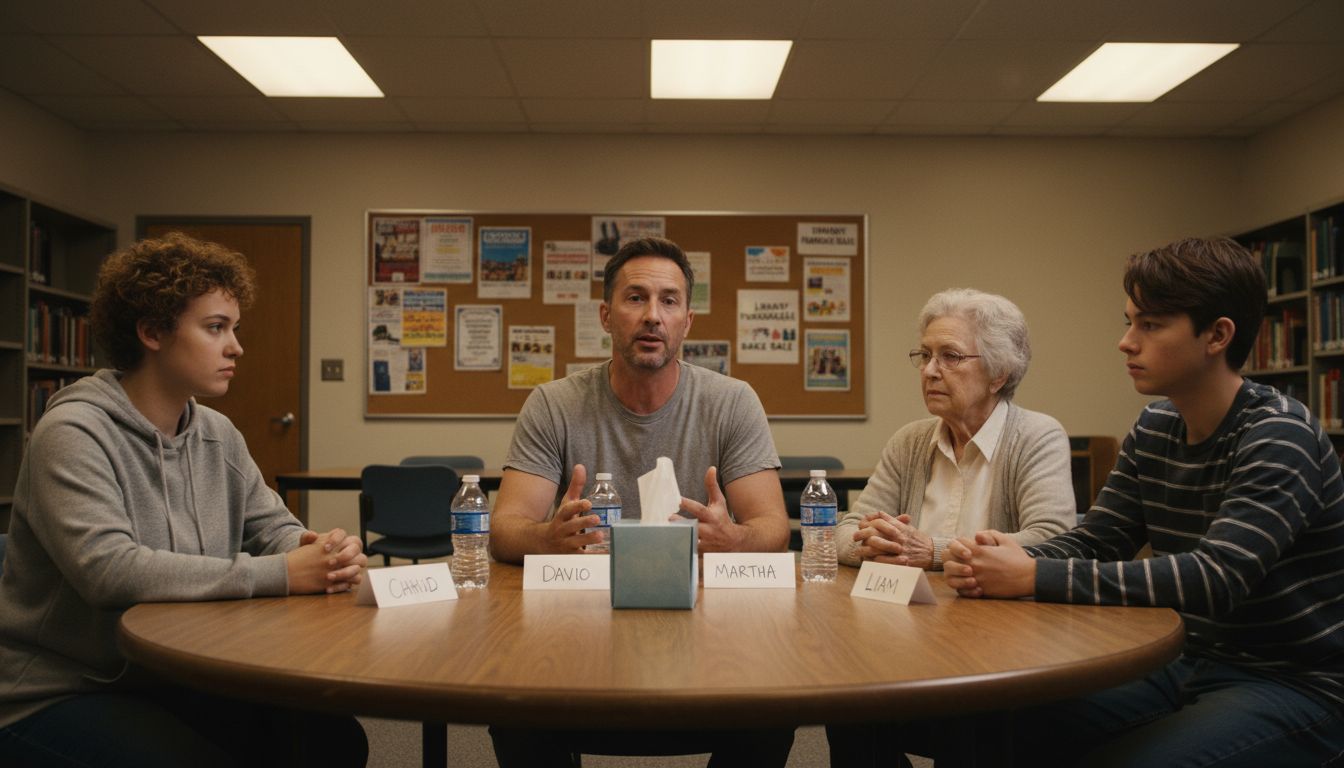
Contemplative practices research highlights the importance of creating psychological safety where participants feel respected and understood. Begin by establishing clear group agreements that outline expectations around confidentiality, nonjudgmental listening, and mutual respect. These agreements serve as a foundational framework that helps participants feel secure in sharing vulnerable experiences and exploring personal insights.
Encourage active participation through gentle invitation rather than mandatory sharing. Create opportunities for participants to engage at their comfort level by offering multiple ways to contribute such as verbal reflection, written responses, or silent contemplation. Acknowledge that everyone processes mindfulness differently and that there is no single correct way to experience these practices.
Pro Tip: Start each session with a brief check in that allows participants to share their current emotional state without pressure to elaborate or explain.
As a facilitator, model the qualities you want to cultivate in the group compassionate listening, emotional availability, and genuine curiosity. Your own embodied presence will set the tone for the entire group experience creating a container of trust and mutual support.
Step 4: Facilitate engaging mindfulness practices
Transforming mindfulness sessions from passive experiences into dynamic, interactive journeys requires strategic facilitation that keeps participants genuinely interested and emotionally connected. Your role is to guide participants through practices that feel both structured and spontaneously alive.
Innovative research on mindfulness delivery suggests exploring creative approaches to engagement beyond traditional meditation formats. This might involve incorporating interactive elements such as guided visualizations, movement based practices, or reflective dialogue that allows participants to explore their inner experiences in multiple ways. Experiment with varied techniques like body scanning, walking meditation, breath awareness, and sensory exploration to maintain participant interest and accommodate different learning styles.
Pay close attention to the group dynamic and individual participant energy levels. Some participants might need more active guidance while others prefer minimal intervention. Develop a flexible facilitation style that can read and respond to the groups collective mood. Use gentle verbal cues, demonstrate practices when helpful, and create space for both structured guidance and personal exploration.
Pro Tip: Rotate between different mindfulness techniques within each session to prevent monotony and keep participants mentally engaged.
Remember that engagement is about creating a sense of psychological safety and curiosity. Your authenticity as a facilitator matters more than perfect technical execution. Approach each session with genuine presence, compassion, and a willingness to learn alongside your participants.
Step 5: Evaluate participant progress and session effectiveness
Measuring the impact of mindfulness group sessions goes beyond simple participant satisfaction surveys. Your evaluation approach should capture both quantitative metrics and nuanced qualitative insights that reflect the complex nature of personal growth and mindfulness development.
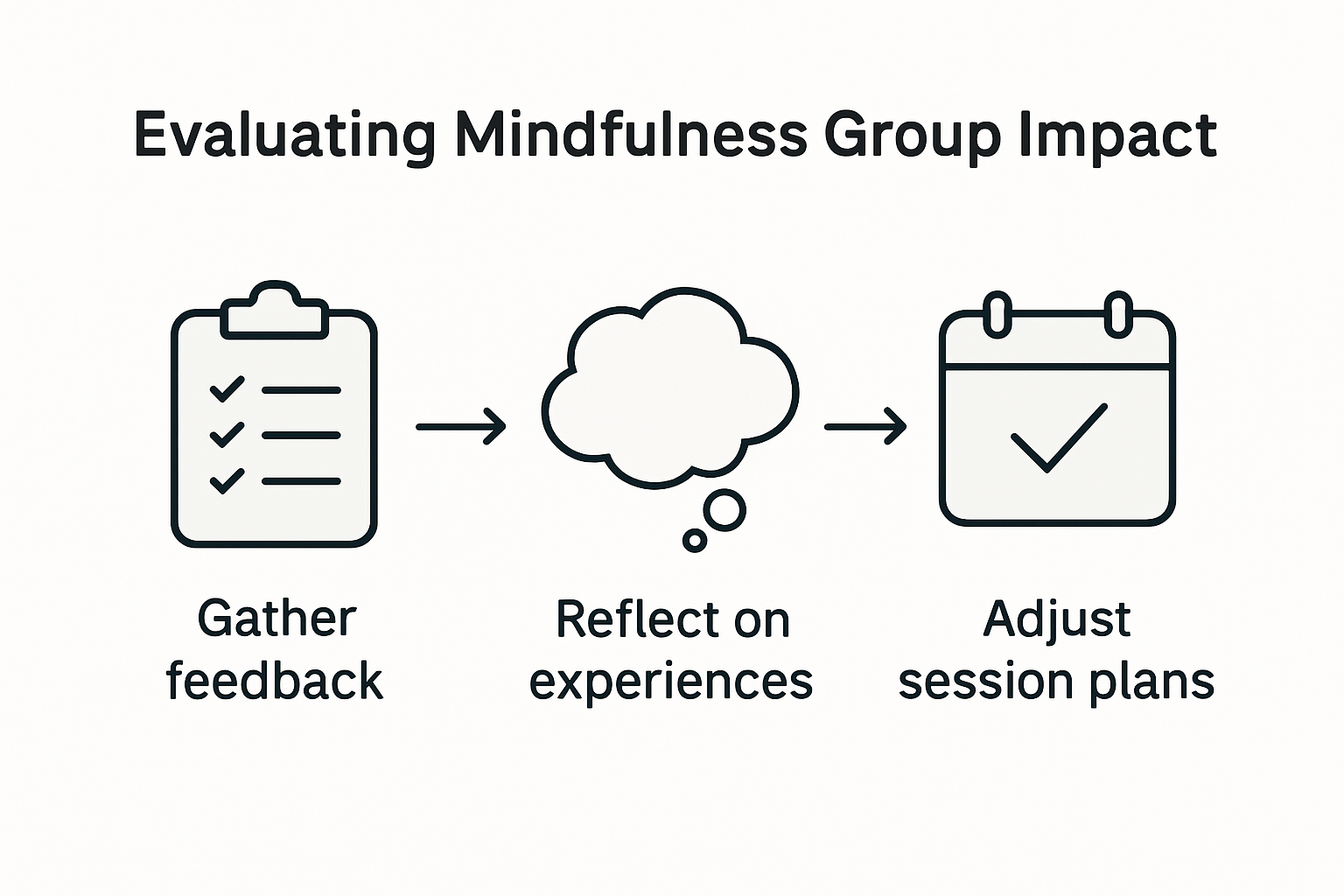
Research on mindfulness training assessment suggests implementing multi dimensional evaluation strategies. Design assessment tools that capture participants psychological well being, stress levels, emotional regulation skills, and subjective experiences. Use a combination of standardized psychological scales self reflection questionnaires and structured interviews to gather comprehensive data about individual and collective progress.
Create a safe feedback environment where participants can share honest insights about their experiences. Develop assessment methods that feel collaborative rather than judgmental. This might include anonymous surveys, small group reflections, individual check ins, and periodic progress reviews that allow participants to articulate their personal growth journey. Pay attention to both measurable outcomes like reduced anxiety scores and subtle transformations in participants self awareness and emotional resilience.
Pro Tip: Use mixed method assessments that combine quantitative scales with open ended narrative responses to capture the full depth of participants mindfulness experiences.
Remember that evaluation is not about determining success or failure but about understanding individual growth trajectories. Approach assessment with curiosity compassion and a commitment to continuously improving your mindfulness facilitation approach.
Empower Your Mindfulness Group Facilitation for Meaningful Change
Are you ready to overcome common challenges like designing inclusive sessions and creating a truly supportive environment for your mindfulness groups This article highlights how clear group objectives, participant-centered approaches, and flexible facilitation can transform your teachings for lasting impact. Many facilitators struggle with meeting diverse needs while fostering trust and engagement — key skills that can elevate your practice and deepen participant growth.
Discover expert guidance and customized training to refine your mindfulness facilitation at Monika Varela. With proven techniques that focus on empathy, accessibility, and authentic connection, you will learn to craft safe spaces where every participant thrives. Don’t wait to enhance your skills and start delivering transformational mindfulness experiences. Visit Monika Varela’s professional website to explore workshops and coaching designed for individuals and organizations committed to mental wellness and personal development.
Frequently Asked Questions
How do I define the objectives for my mindfulness group?
Start by conducting a comprehensive needs assessment through surveys or intake interviews. Gather insights on participants’ motivations and challenges to create clear, meaningful group objectives that resonate with individual and collective goals.
What steps can I take to design inclusive mindfulness sessions?
Design sessions that accommodate diverse learning styles and physical capabilities. Offer various participation formats, such as seated or standing meditation, and provide alternative engagement methods to ensure comfort and respect for all participants.
How can I create a supportive environment for mindfulness group participants?
Establish clear group agreements to promote confidentiality and mutual respect. Foster psychological safety by encouraging voluntary participation and modeling compassionate listening to help participants feel secure in sharing their experiences.
What techniques can I use to facilitate engaging mindfulness practices?
Incorporate a variety of mindfulness techniques, such as breathing exercises and guided visualizations, to keep participants interested. Rotate practices within each session to prevent monotony and adapt your facilitation style to respond to the group’s energy levels.
How should I evaluate participant progress and session effectiveness?
Implement multi-dimensional evaluation strategies that capture both quantitative metrics and qualitative insights from participants. Use a combination of surveys and check-ins to assess psychological well-being and emotional resilience throughout the mindfulness journey.
How can I ensure participant feedback is effectively integrated into future sessions?
Create a safe space for feedback through anonymous surveys or group reflections. Regularly review this input to make adjustments that enhance the mindfulness experience and align it with participant needs, aiming for continuous improvement in group dynamics.
Recommended
- What Are Mindfulness Workshops? Complete Guide 2024 – Mónika Varela
- Best 7 Mindfulness Tools for Professionals – Expert Comparison 2025 – Mónika Varela
- Group Mindfulness Sessions: Complete Guide – Mónika Varela
- Why Join Mindfulness Workshops: The Definitive Guide – Mónika Varela
- Master Mindful Eating Practices for Weight Loss Success – LeanAndFit





Aún no hay comentarios, ¡añada su voz abajo!