


Most American professionals find themselves battling rising stress and constant distractions during the workday. In high-performing corporate environments across North America, productivity and mental wellness often compete for attention. Adopting mindful habits backed by research can help you reclaim clarity, focus, and resilience. This guide highlights science-based strategies designed for busy professionals, offering actionable routines proven to enhance both cognitive performance and emotional wellbeing.
Table of Contents
- 1. Start Your Day With Mindful Breathing
- 2. Set Intentional Goals For Each Workday
- 3. Take Short, Mindful Breaks
- 4. Practice Single-Tasking For Better Focus
- 5. Use Active Listening In Conversations
- 6. Reflect And Reset At The End Of Day
- 7. Cultivate Gratitude In Daily Routine
Quick Summary
| Key Insight | Explanation |
|---|---|
| 1. Mindful breathing improves focus | Just 5 minutes of mindful breathing can enhance your mental clarity and reduce stress, improving workplace performance. |
| 2. Set daily intentional goals | Identify 3 specific goals each day to create a roadmap that aligns with your larger professional objectives, boosting motivation and productivity. |
| 3. Take structured breaks | Follow the 50 10 rule: work for 50 minutes and take a 10-minute break to rejuvenate your mind, enhancing overall work effectiveness. |
| 4. Practice single-tasking for efficiency | Focus on one task at a time to improve concentration and reduce cognitive fragmentation, leading to higher quality results. |
| 5. Reflect daily for growth | Spend 10-15 minutes each day reviewing your achievements and challenges to foster continuous personal and professional development. |
1. Start Your Day With Mindful Breathing
Transforming your professional performance begins with something deceptively simple: your breath. Mindful breathing is not just a wellness trend but a scientifically proven strategy to reset your mental state and boost cognitive performance.
Research from leading institutions reveals that controlled breathing techniques can significantly reduce stress and enhance mental clarity. By activating the parasympathetic nervous system, these practices help lower cortisol levels and improve your ability to handle workplace challenges with composure.
The core of mindful breathing involves paying deliberate attention to your breath rhythm. Start with a basic technique: inhale slowly through your nose for four counts, hold for four counts, then exhale through your mouth for four counts. This box breathing method interrupts stress patterns and signals your body to transition into a calm state.
Professionals who integrate just 5 minutes of mindful breathing into their morning routine report improved focus, emotional regulation, and overall workplace resilience. Studies consistently demonstrate that consistent breathwork supports cognitive enhancement and emotional stability.
Pro tip: Keep a small reminder or smartphone timer near your workspace to prompt a quick breathwork session before diving into your first task of the day.
2. Set Intentional Goals for Each Workday
Successful professionals understand that aimless work leads to scattered results. Setting intentional goals transforms your workday from a reactive experience to a strategic journey of purposeful achievement.
Research reveals that clear goal setting significantly enhances professional motivation and performance. The SMART framework provides a powerful approach to crafting meaningful daily objectives: Specific, Measurable, Achievable, Relevant, and Time-bound.
Start each morning by identifying 3 primary goals that align with your broader professional objectives. These should be concrete and actionable rather than vague aspirations. For instance, instead of saying “work on project,” specify “complete first draft of quarterly report by 2 pm” or “schedule client meeting with marketing team”.
Professional research indicates that employees with well defined goals demonstrate higher engagement and more effective decision making. By creating a structured roadmap for your day, you reduce decision fatigue and maintain laser focused productivity.
To implement this strategy, dedicate 10 minutes each morning to goal planning. Use a digital tool or notebook to record your objectives, ensuring they are realistic and aligned with your broader professional development.
Pro tip: Write down your top three goals where you can see them throughout the day as a constant visual reminder and motivation tracker.
3. Take Short, Mindful Breaks
Contrary to popular belief, working nonstop does not equal maximum productivity. Scientific research demonstrates that strategic breaks are crucial for maintaining cognitive performance and professional well-being.
Mindful breaks are not about wasting time but intentionally resetting your mental state. These short pauses help interrupt stress cycles, reduce mental fatigue, and restore your brain’s capacity for creative problem solving. Studies reveal that organizations benefit significantly when employees are encouraged to take quality breaks.
Implement the 50 10 rule: work intensely for 50 minutes, then take a deliberate 10 minute break. During these breaks, avoid digital screens. Instead, try mindful movement like stretching, deep breathing, or a short walk. These activities help reset your nervous system and improve overall work performance.
Key break activities should involve physical movement or mental disengagement. Consider options like light stretching, a brief meditation, stepping outside for fresh air, or practicing simple breathing exercises. The goal is to create a mental reset that allows you to return to work with renewed focus and energy.
Pro tip: Set a gentle alarm or use a break tracking app that reminds you to pause and provides quick guided mindfulness activities to maximize your recovery time.
4. Practice Single-Tasking for Better Focus
In a world of constant digital distractions, multitasking has become a dangerous productivity myth. Neuroscience research reveals that single-tasking is the true path to peak professional performance.
Multitasking creates an illusion of productivity while actually fragmenting your cognitive resources. Your brain cannot simultaneously process multiple complex tasks with equal effectiveness. When you switch between tasks, you incur a cognitive switching cost that dramatically reduces your overall efficiency and mental clarity.
To implement single-tasking, create a structured approach to your workday. Start by blocking specific time windows for individual tasks. Turn off notifications, close unnecessary browser tabs, and commit fully to one objective at a time. Choose your most challenging task during your peak energy hours and dedicate uninterrupted focus to completing it.
The benefits extend beyond immediate productivity. Single-tasking reduces mental fatigue, minimizes stress, and allows for deeper concentration. Professionals who adopt this approach report feeling more in control, experiencing higher quality work outcomes, and maintaining a calmer mental state throughout demanding workdays.
Pro tip: Use a physical timer or focus app to create dedicated 25 to 45 minute single-task work intervals, treating each session as a concentrated sprint of undivided attention.
5. Use Active Listening in Conversations
Communication is not about speaking louder it is about understanding deeper. Active listening transforms professional interactions from transactional exchanges to meaningful dialogues.
Active listening requires purposeful engagement that goes beyond merely hearing words. It involves fully concentrating on the speaker, understanding their message, responding thoughtfully, and remembering key information. This approach signals genuine respect and builds stronger workplace relationships.
Research demonstrates that employees feel significantly more valued when they perceive authentic listening behaviors. Practical active listening techniques include maintaining eye contact, avoiding interruptions, asking clarifying questions, and providing nonverbal cues that show you are fully present.
To implement active listening, practice the three R approach: Receive the information without judgment, Reflect on what is being said, and Respond with empathy and insight. This means paraphrasing what you heard to confirm understanding, asking open ended questions, and showing genuine curiosity about the speaker’s perspective.
Pro tip: Practice the 70 30 rule where you listen 70 percent of the time and speak only 30 percent during professional conversations to enhance your active listening skills.
6. Reflect and Reset at the End of Day
Your workday does not truly end when you close your laptop. Intentional reflection transforms ordinary workdays into opportunities for continuous professional growth.
Daily reflection is a powerful practice that allows you to process your experiences, learn from challenges, and strategically plan for future success. By dedicating just 10 to 15 minutes at the end of each workday to mindful review, you create a mental bridge between today’s accomplishments and tomorrow’s potential.
Academic productivity research confirms that systematic end of day reflection supports sustained motivation and prevents professional burnout. Start your reflection process by asking three critical questions: What did I accomplish today? What challenged me? What can I improve tomorrow?
Create a simple reflection ritual. This might involve writing in a journal, using a digital tracking app, or having a quiet moment of contemplation. Identify three specific achievements no matter how small and one area where you can grow. This practice helps transform daily experiences into meaningful learning opportunities.
Pro tip: Keep your daily reflection consistent by scheduling it immediately after work in the same location, treating it as a non negotiable appointment with yourself.
7. Cultivate Gratitude in Daily Routine
Gratitude is not just a pleasant emotion it is a powerful professional development strategy. Scientific research confirms that intentional appreciation practices can dramatically transform workplace experience and personal resilience.
Cultivating daily gratitude goes beyond simple positivity. It represents a deliberate mental reframing that activates neurological pathways associated with emotional well being. Regular gratitude practices improve mental health, reduce stress, and enhance overall life satisfaction.
Implement a structured gratitude practice by dedicating 5 minutes each morning or evening to intentional reflection. Write down three specific things you appreciate about your work environment, professional journey, or personal growth. These could range from appreciating a supportive colleague to recognizing your own skill development.
The most powerful gratitude moments often emerge from acknowledging small details. Notice the micro achievements, kind interactions, learning opportunities, and incremental progress that often go unrecognized. This approach shifts your perspective from scarcity to abundance, creating a more resilient and positive professional mindset.
Pro tip: Create a digital or physical gratitude repository where you consistently document appreciative moments, allowing you to build a tangible record of professional growth and positive experiences.
Below is a comprehensive table summarizing the main practices and strategies recommended for enhancing professional performance as discussed in the article.
| Topic | Implementation Steps | Key Outcomes |
|---|---|---|
| Mindful Breathing | Practice controlled breathing techniques such as box breathing for 5 minutes daily. | Improved focus, reduced stress, enhanced emotional regulation. |
| Goal Setting | Define three SMART goals each morning that align with professional objectives. | Enhanced motivation, structured productivity, reduced decision fatigue. |
| Mindful Breaks | Utilize the 50-10 rule: work for 50 minutes, take a 10-minute break with physical or mental resets. | Restored focus, reduced stress, improved problem-solving capacity. |
| Single-Tasking | Allocate time blocks for singular focus on tasks, avoiding multitasking. | Increased efficiency, deeper concentration, reduced cognitive switching costs. |
| Active Listening | Engage with speakers through empathetic listening and thoughtful responses using the 70-30 listening rule. | Stronger workplace relationships, improved understanding, valued contributions. |
| End-of-Day Reflection | Dedicate 10-15 minutes to review daily achievements, challenges, and opportunities for growth. | Continuous learning, sustained motivation, refined strategies. |
| Gratitude Practice | Reflect and document three appreciative moments daily to reframe mental outlook. | Enhanced resilience, reduced stress, positive professional mindset. |
Boost Your Professional Productivity with Mindfulness Coaching
The article “7 Mindful Habits for Professionals to Boost Productivity” highlights key challenges faced by modern professionals such as stress management, maintaining focus, and intentional goal setting. If you find yourself overwhelmed by daily distractions or struggling to implement mindful breathing and single-tasking practices, you are not alone. These pain points often lead to decreased productivity and workplace burnout. At Monika Varela, we specialize in transforming these challenges into opportunities through tailored mindfulness coaching and therapeutic services. Our expert guidance supports you in cultivating emotional resilience, enhancing focus, and developing active listening skills essential for professional growth.
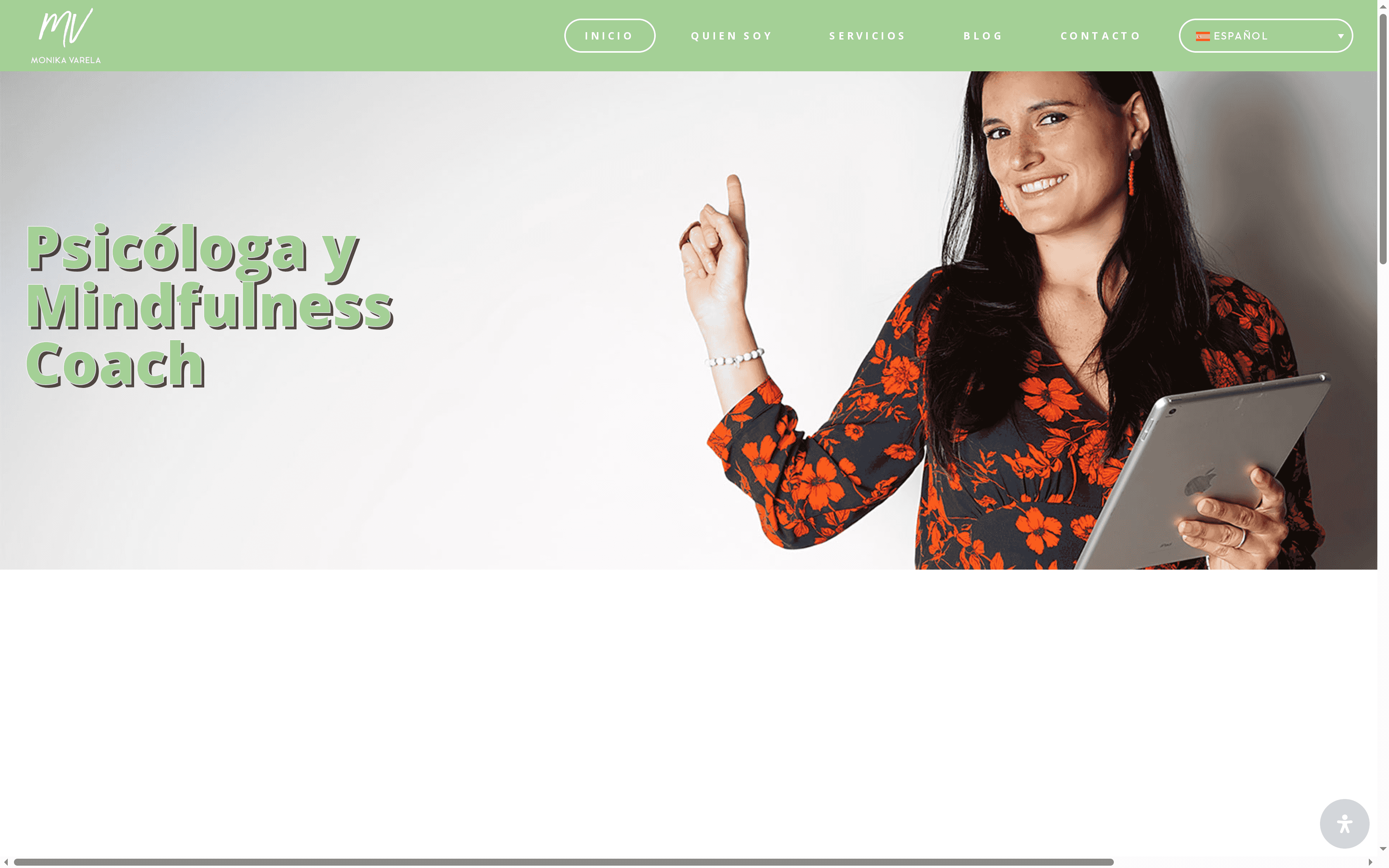
Take the next step toward lasting change by exploring our comprehensive resources and workshops available on Noticias archivos – Mónika Varela. Experience how integrating mindful habits into your routine can renew your energy and amplify your success. Visit Monika Varela today to book a consultation or learn more about our programs designed to empower professionals like you to thrive in demanding work environments.
Frequently Asked Questions
What is mindful breathing and how can it boost my productivity?
Mindful breathing is a technique that involves focusing on your breath to promote relaxation and mental clarity. To boost productivity, integrate 5 minutes of mindful breathing into your morning routine to enhance focus and emotional regulation.
How can I set intentional goals to improve my work performance?
To set intentional goals, identify three specific and actionable objectives each day that align with your broader professional aims. For example, aim to complete a specific report by a set time to maintain focus and reduce decision fatigue.
What are short, mindful breaks, and how do they affect productivity?
Short, mindful breaks are deliberate pauses taken during work to reset your mental state and improve cognitive performance. Adopt the 50/10 rule by working for 50 minutes and then taking a 10-minute break to engage in mindful activities like stretching or deep breathing.
How can I practice single-tasking to enhance my focus?
Single-tasking involves dedicating focused time to one task at a time, eliminating distractions. Schedule specific time blocks for each task and turn off notifications to enhance concentration and reduce cognitive fatigue.
Why is active listening important in professional conversations?
Active listening fosters deeper understanding and respect during conversations, transforming interactions into meaningful exchanges. To practice, focus fully on the speaker, avoid interruptions, and reflect on their message to improve workplace relationships.
How can I implement daily reflection to support my professional growth?
Daily reflection involves taking 10-15 minutes at the end of each workday to review your accomplishments and challenges. Ask yourself what you achieved, what challenged you, and how you can improve tomorrow to ensure continuous learning and growth.
Recommended
- Best 7 Mindfulness Tools for Professionals – Expert Comparison 2025 – Mónika Varela
- Complete Guide to Mindfulness in Professional Growth – Mónika Varela
- Mastering Mindfulness for Professionals: Complete Guide – Mónika Varela
- Role of Mindfulness in Organizations – Lasting Impact at Work – Mónika Varela





Aún no hay comentarios, ¡añada su voz abajo!