


Nearly 35 percent of adults say their minds feel cluttered before they even start the day. Creating mindful habits can change more than your mood. A clear, calm mind has lasting effects on your overall health, relationships, and ability to manage stress. If you want to bring more presence and peace into your daily routine, these practical steps break down mindfulness into simple actions that anyone can follow.
Table of Contents
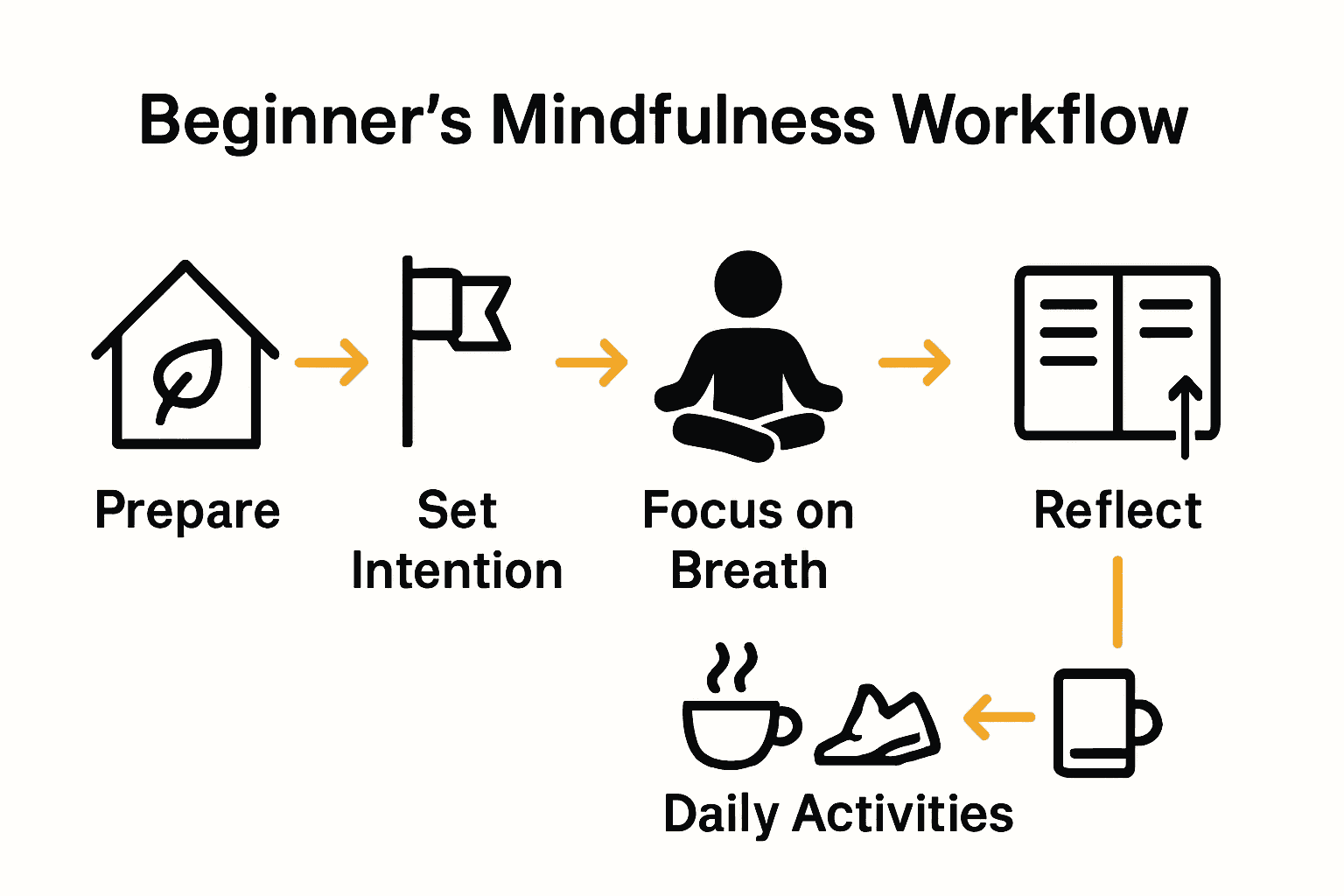
- Step 1: Prepare A Mindful Environment
- Step 2: Set Intentions And Goals
- Step 3: Practice Foundational Mindful Exercises
- Step 4: Integrate Mindfulness Into Daily Routines
- Step 5: Evaluate Progress And Adjust
Quick Summary
| Key Point | Explanation |
|---|---|
| 1. Create a Calm Mindful Space | Designate a quiet area in your home with minimal distractions, natural elements, and intentional decor to support mindfulness practice. |
| 2. Set Meaningful Intentions | Reflect on your core values and create positive, present-tense intentions that guide your mindfulness journey and daily actions. |
| 3. Practice Simple Mindful Exercises | Start with techniques like breath awareness and body scans to develop sustained awareness and train your mind to stay present. |
| 4. Integrate Mindfulness into Daily Life | Identify routine activities to anchor mindfulness moments, such as drinking coffee or walking, to cultivate present-moment awareness. |
| 5. Regularly Evaluate and Adjust | Keep a reflection journal to track your feelings and experiences, allowing you to adjust your practice with flexibility and kindness. |
Step 1: Prepare a Mindful Environment
Creating a mindful environment transforms your mental space from chaotic to calm. You will design a physical setting that supports your mindfulness practice and reduces external distractions.
According to positivity.org , designing a mindful space involves strategically incorporating natural elements and decluttering your surroundings. Start by selecting a dedicated area in your home that feels peaceful. This could be a quiet corner of your living room, a spare bedroom, or even a quiet spot near a window with natural light.
The key is minimalism and intentionality. Remove unnecessary items that create visual noise or mental clutter. Choose neutral colors like soft blues, gentle greens, or warm earth tones that promote relaxation. Add a few meaningful objects such as a small plant, a calming artwork, or a simple meditation cushion. Mental Health America recommends improving air quality and reducing ambient noise to support your mental well-being.
Pro tip: Keep your mindful space technology free. No phones, laptops, or electronic devices allowed. This boundary helps create a sanctuary for genuine presence and inner stillness.
Once you have your space prepared, you are ready to begin your mindfulness journey with a supportive physical environment that nurtures your practice.
Step 2: Set Intentions and Goals
Setting intentions transforms mindfulness from a practice into a purposeful journey of personal growth. In this step, you will learn how to create meaningful intentions that guide your mental and emotional landscape.
According to Cleveland Clinic, intentions differ from goals by focusing on your inner experience rather than external achievements. Start by reflecting on your core values and what truly matters to you. Ask yourself powerful questions: What qualities do I want to cultivate? How do I want to show up in my life? How can I be more present and compassionate?
The U.S. Department of Veterans Affairs recommends creating intentions that are positive, present tense, and personally meaningful. Instead of saying “I will stop being anxious,” reframe it as “I am calm and centered.” Write your intentions in a journal or speak them aloud. Choose one or two intentions that resonate deeply with your current life experience.
Pro tip: Review your intentions daily. Spend a few moments each morning reconnecting with the qualities you want to embody. This practice helps transform intentions from abstract thoughts to lived experiences.
With your intentions clarified, you are now ready to bring mindful awareness to your daily actions and inner landscape.
Step 3: Practice Foundational Mindful Exercises
Foundational mindful exercises are your gateway to developing sustained awareness and inner calm. You will learn simple yet powerful techniques that help train your mind to stay present and connected.
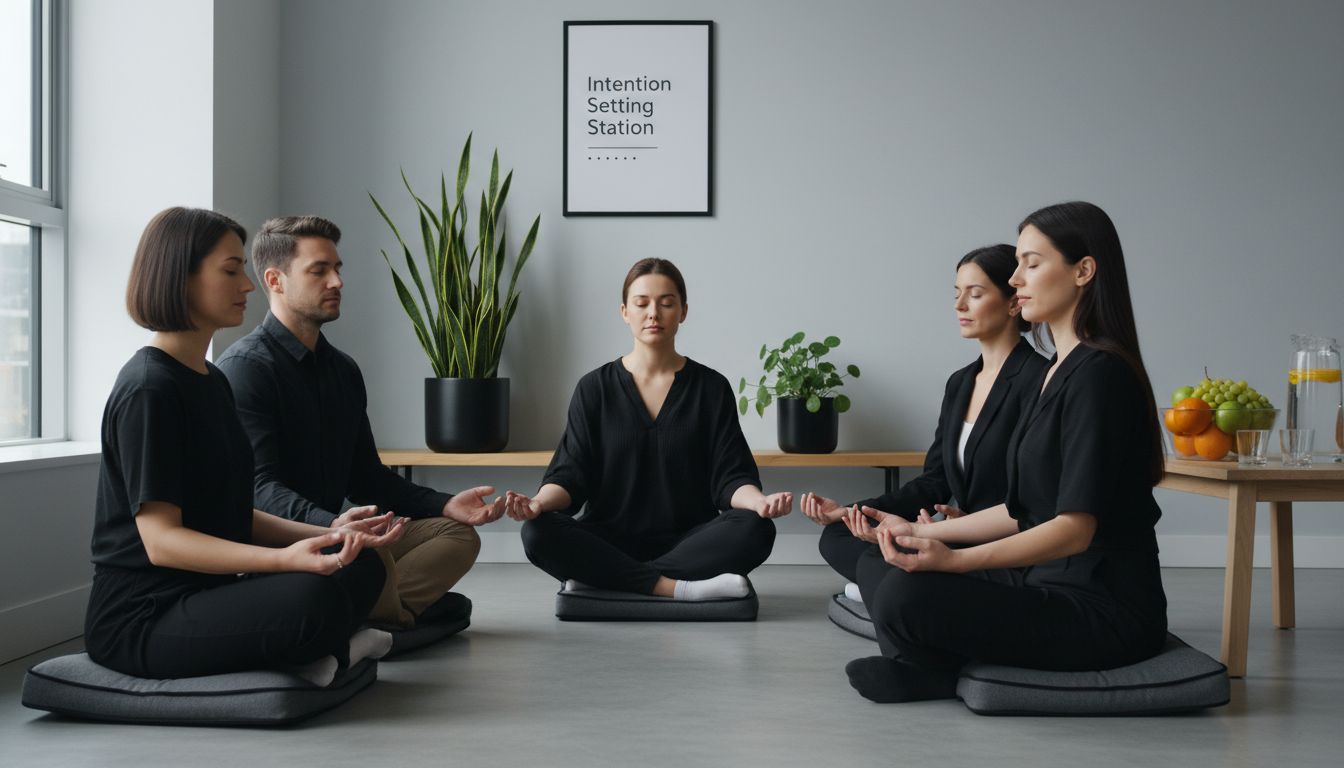
Mindful.org recommends starting with breath awareness as your primary mindfulness practice. Begin by finding a comfortable seated position. Close your eyes and bring your attention to your natural breathing pattern. Notice the sensation of air moving in and out of your lungs. When your mind wanders (and it will), gently redirect your focus back to your breath without judgment.
Another foundational exercise is the body scan technique. According to Mindful.org’s guide to changing habits, this practice helps develop awareness of physical sensations and emotional states. Start at the top of your head and slowly move your attention down through each body part. Observe any sensations without trying to change them. This exercise helps you become more attuned to your body’s signals and present moment experience.
Pro tip: Consistency matters more than duration. Even 5 minutes of daily practice is more beneficial than sporadic longer sessions. Set a gentle timer and commit to showing up for yourself.
These foundational exercises will gradually build your mindfulness muscle and prepare you for deeper meditation practices.
Step 4: Integrate Mindfulness into Daily Routines
Transforming mindfulness from a structured practice to a living experience happens through intentional integration into your everyday activities. You will learn how to weave mindful awareness into the fabric of your daily life.
Cambridge English suggests creating small intentional moments throughout your day. Start by selecting routine activities as mindfulness anchors. While drinking morning coffee, pause and fully experience the warmth of the mug. During your commute, notice the sensation of breathing instead of getting lost in thoughts. When washing dishes, feel the water temperature and observe the movement of your hands.
Choose three to five daily activities where you can practice moment-to-moment awareness. These might include brushing teeth, walking between rooms, waiting in line, or eating meals. The goal is not perfect meditation but gentle attention. Each time your mind wanders, kindly bring your focus back to the present sensory experience. This practice gradually rewires your brain to stay more connected and less reactive.
Pro tip: Use technology mindfully. Set occasional phone reminders that prompt you to take three conscious breaths or do a quick body scan.
By consistently practicing these micro moments of mindfulness, you will naturally develop a more present and intentional way of living.
Step 5: Evaluate Progress and Adjust
Mindfulness is a journey of continuous learning and self discovery. In this step, you will learn how to reflect on your practice without harsh self judgment and make meaningful adjustments that support your growth.
According to Mindful.org, evaluating your mindfulness practice is about understanding your experience rather than achieving perfection. Start by creating a reflection journal where you document your daily experiences. Note not just what happened during your practice but how you felt physically and emotionally. Were you restless? Calm? Distracted? Look for patterns without labeling them as good or bad.
Mindful Littles emphasizes the importance of regular reflection in mindfulness practices. Every week, review your journal entries and notice subtle shifts in your awareness. Perhaps you are becoming more patient or experiencing less reactivity. Adjust your practice based on these insights. If sitting meditation feels challenging, try walking meditation. If morning practices drain you, experiment with evening sessions. The key is flexibility and compassionate curiosity.
Pro tip: Be kind to yourself. Progress in mindfulness is not linear. Some days will feel easier than others and that is perfectly normal.
By consistently evaluating and adjusting your practice, you create a personalized approach to mindfulness that evolves with you.
Begin Your Mindfulness Journey with Expert Guidance
The journey to calm focus and mindful living begins with creating the right environment, setting clear intentions, and practicing foundational exercises as discussed in the article. If you find it challenging to stay consistent or need support in integrating mindfulness into your daily routines, you are not alone. Many beginners face difficulties maintaining focus or adapting practices that truly fit their unique lives. You deserve a personalized approach that respects your pace and nurtures your growth.

Discover how Monika Varela, a licensed psychologist and mindfulness coach, helps individuals just like you transform stress into calm presence. Through tailored psychotherapy, mindfulness workshops, and coaching sessions, she guides you toward achieving sustainable mental wellness and focused calm. Don’t wait to make mindfulness an empowering, lasting part of your life. Visit Monikavarela.com today to explore services designed for beginners and book your first session to start feeling centered now.
Frequently Asked Questions
How can I prepare a mindful environment at home?
Creating a mindful environment involves decluttering and selecting a calming space within your home. Start by removing unnecessary items, choosing soft colors, and incorporating a few meaningful objects like plants or artwork to promote relaxation.
What intentions should I set for my mindfulness practice?
When setting intentions, focus on your inner experience rather than external goals. Reflect on your core values and create affirmations in the present tense, such as “I am calm and centered,” which you can write down or say aloud to guide your mindfulness journey.
What foundational mindful exercises can I practice as a beginner?
Begin with breath awareness and body scan techniques to develop your mindfulness. Set aside just 5 minutes daily to focus on your breath or scan your body, paying attention to sensations without judgment, to slowly build your awareness and inner calm.
How can I integrate mindfulness into my daily routines?
You can integrate mindfulness by choosing everyday activities, like drinking coffee or washing dishes, as moments for mindfulness. Focus fully on the sensations during these tasks, such as the warmth of the mug, to transform routine activities into opportunities for present-moment awareness.
How do I evaluate my progress in mindfulness practice?
Evaluate your progress by keeping a reflection journal where you document your daily experiences and emotional states during practice. Review your entries weekly to identify patterns and adjust your approach, remaining flexible and compassionate with yourself.
What if I find consistency difficult in my mindfulness practice?
If consistency is a challenge, focus on shorter sessions rather than longer ones, and choose varied times throughout the day for practice. Aim for a gentle commitment, like 5 minutes daily, to gradually build a sustainable routine.





Aún no hay comentarios, ¡añada su voz abajo!