


A mindful morning routine can be a game changer for your entire day. Research shows that establishing just a few simple habits after waking boosts mental clarity and lowers stress, leading to better focus at work. Many people jump straight into emails or chores, missing a chance to reset their minds. Shifting your mornings toward intention helps you start the day centered and equipped to handle whatever comes next.
Table of Contents
- 1. Start Your Day With A Mindful Morning Routine
- 2. Practice Focused Breathing During Work Breaks
- 3. Incorporate Mindful Listening In Meetings
- 4. Use Body Scan Techniques To Relieve Tension
- 5. Apply Mindfulness To Manage Workplace Stress
- 6. Integrate Short Mindfulness Exercises Into Tasks
- 7. Reflect And Unwind With Evening Mindfulness
Quick Summary
| Takeaway | Explanation |
|---|---|
| 1. Start your day mindfully. | Begin your morning with intentional actions to enhance mental clarity and set a positive tone for the day. |
| 2. Practice focused breathing during breaks. | Use breathing techniques during work breaks to reduce stress and improve concentration. |
| 3. Engage in mindful listening in meetings. | Fully concentrate on conversations during meetings to foster understanding and improve communication. |
| 4. Incorporate short mindfulness exercises daily. | Integrate brief mindfulness practices into daily tasks for better mental awareness and stress management. |
| 5. Reflect with evening mindfulness practices. | End your day with mindfulness to process experiences and promote restful sleep. |
1. Start Your Day with a Mindful Morning Routine
Your morning sets the tone for everything that follows. Transforming those first waking moments into a deliberate, mindful practice can profoundly impact your mental clarity, stress levels, and overall professional performance.
According to University of Alabama’s Work Life Blog, creating an intentional morning routine involves five strategic steps that prepare your mind and body for the day ahead. These practices are designed to shift you from reactive mode into a proactive, centered state of awareness.
Implementing a Mindful Morning Routine begins with understanding how small, deliberate actions can recalibrate your entire day. When you wake up, resist the urge to immediately check your phone or jump into work mode. Instead, take a few moments to ground yourself through sensory awareness and intentional breathing.
Here are some practical strategies to create your mindful morning:
- Sensory Orientation: Upon waking, pause and notice your immediate environment. What do you hear? Feel the texture of your bedding. Observe the quality of light in the room.
- Mindful Breathing: Practice deep, intentional breaths. Inhale for four counts, hold for two, exhale for six. This technique signals your nervous system to calm down.
- Physical Grounding: Gentle stretching or humming can help release muscular tension and center your awareness.
- Daily Intention Setting: Before diving into tasks, articulate one clear intention for your day. This creates mental focus and purpose.
The beauty of a mindful morning routine is its flexibility. You do not need hours of meditation or complex rituals. Even five to ten minutes of intentional practice can dramatically improve your mental resilience and professional effectiveness.
Remember that consistency matters more than perfection. Start small, be patient with yourself, and gradually build a morning practice that feels authentic and supportive to your unique needs.
2. Practice Focused Breathing During Work Breaks
In the midst of demanding workdays, your breath becomes a powerful tool for reset and rejuvenation. Learning to use focused breathing techniques during work breaks can transform moments of stress into opportunities for mental restoration and increased productivity.
According to Cornell Health, purposeful breaks that incorporate mindful breathing are essential for refreshing both brain and body. These short interventions can significantly boost your energy levels and professional performance.
Understanding Focused Breathing goes beyond simple relaxation. When you intentionally direct your attention to your breath, you activate your parasympathetic nervous system, which counteracts the stress response triggered by intense work environments. The Greater Good Science Center at UC Berkeley recommends a practice of calmly redirecting attention to breathing as a powerful stress management technique.
Practical Breathing Strategies for Professionals:
- The 4-7-8 Technique: Inhale quietly through your nose for 4 seconds, hold the breath for 7 seconds, then exhale completely through your mouth for 8 seconds.
- Box Breathing: Breathe in for 4 seconds, hold for 4 seconds, exhale for 4 seconds, and pause for 4 seconds before the next breath.
- Micro Break Method: Take 60 seconds between tasks to focus solely on your breathing, closing your eyes and observing each inhale and exhale.
The goal is not to achieve perfect meditation but to create small windows of mental clarity. Even 2 to 3 minutes of focused breathing can reset your nervous system, improve concentration, and help you approach work challenges with greater composure.
By integrating these breathing techniques into your workday, you transform breaks from mere pauses into active recovery periods. Your mind becomes more resilient, your stress levels decrease, and your overall professional effectiveness increases.
3. Incorporate Mindful Listening in Meetings
Most professionals hear but rarely truly listen. Mindful listening transforms meetings from routine exchanges to meaningful conversations that foster genuine understanding and connection.
Monash University’s Daily Mindfulness Tips suggest using everyday sounds as opportunities to practice attentive presence. By approaching meetings with intentional awareness, you can dramatically improve communication and professional relationships.
Mindful Listening is about creating a deliberate space of receptivity. It means suspending judgment, setting aside personal agendas, and fully engaging with the speaker without preparing your response or getting distracted by internal narratives.
Key Strategies for Mindful Listening:
- Full Body Engagement: Face the speaker directly, maintain appropriate eye contact, and adopt an open posture.
- Sensory Anchoring: Use background sounds as reminders to refocus your attention when your mind starts to wander.
- Non Verbal Acknowledgment: Use subtle nods or gentle expressions to show you are genuinely present and absorbing the information.
- Pause Before Responding: Take a breath before formulating your response, allowing space for authentic understanding.
This approach does more than improve meeting dynamics. It builds trust, reduces misunderstandings, and creates an environment where team members feel genuinely heard and valued.
Practicing mindful listening is a skill that improves with consistent effort. Start small by committing to one fully present meeting per week, gradually expanding your capacity for deep, attentive communication.
4. Use Body Scan Techniques to Relieve Tension
Your body is a sophisticated communication system constantly signaling stress and discomfort. Body scan techniques offer a powerful method to intercept and release accumulated physical and emotional tension before it becomes chronic.
Monash University’s Daily Mindfulness Tips highlight body scan exercises as an effective way to increase awareness of bodily sensations and promote overall well-being. This practice transforms how you perceive and respond to internal physical experiences.
Body Scanning is a deliberate awareness practice where you systematically shift attention through different body regions, noticing sensations without judgment. Think of it as an internal reconnaissance mission where you learn to read your body’s subtle signals and release hidden stress.
Practical Body Scan Techniques for Professionals:
- Seated Scan: Perform a quick body scan while sitting at your desk, taking 3 to 5 minutes to notice tension in shoulders, neck, and lower back.
- Breath Synchronized Scan: Coordinate your body exploration with slow, deep breathing to enhance relaxation.
- Progressive Release: Start from your toes and move upward, consciously relaxing each muscle group.
- Quick Reset Method: When feeling overwhelmed, do a 60 second scan focusing on areas of maximum tension.
The goal is not perfection but awareness. By regularly practicing body scan techniques, you develop a more intuitive understanding of your physical and emotional states. This self knowledge becomes a powerful tool for managing stress, preventing burnout, and maintaining professional resilience.
Remember that body scanning is a skill. Start with short sessions and gradually increase duration as you become more comfortable with the practice. Your body will thank you for the attention and care.
5. Apply Mindfulness to Manage Workplace Stress
Workplace stress is an invisible enemy that slowly erodes professional performance and personal well being. Understanding how to apply mindfulness techniques can transform your relationship with stress from reactive overwhelm to intentional response.
Cornell Health recommends integrating mindfulness practices like deep breathing and light stretching directly into the workday as powerful strategies for managing stress and improving focus.
Mindfulness in Stress Management operates on a simple yet profound principle: awareness creates choice. When you learn to observe your stress responses without immediately reacting, you create space for more intentional and effective problem solving.
Practical Mindfulness Strategies for Workplace Stress:
- Emotional Observation: Pause and identify stress triggers without judgment. Name the emotion you are experiencing.
- Breath Anchoring: Use 4 6 8 breathing technique when feeling overwhelmed. Inhale for 4 seconds, hold for 6, exhale for 8.
- Micro Reset Moments: Take 2 minute breaks to do gentle stretches or mindful breathing between tasks.
- Mental Reframing: Transform stress statements from “This is impossible” to “This is challenging but manageable”.
The goal is not to eliminate stress completely but to develop a more resilient relationship with challenging workplace experiences. By practicing mindfulness, you train your brain to respond rather than react, maintaining professional composure and emotional balance.
Consistent practice is key. Start with small, achievable mindfulness interventions and gradually build your capacity to navigate workplace challenges with greater ease and intentionality.
6. Integrate Short Mindfulness Exercises into Tasks
Mindfulness does not require hours of meditation or complete withdrawal from work. Instead, it can be seamlessly woven into your daily professional routine through brief intentional practices that reset your mental state and enhance overall awareness.
Monash University’s Daily Mindfulness Tips recommend incorporating short mindfulness practices like observing five mindful breaths into routine activities to enhance presence and awareness.
Micro Mindfulness transforms ordinary moments into opportunities for mental recalibration. These short exercises act like quick system reboots for your brain, helping you maintain focus and emotional equilibrium throughout demanding workdays.
Quick Mindfulness Integration Strategies:
- Transition Breathing: Take five intentional breaths between different work tasks or meetings.
- Sensory Anchoring: During routine activities like waiting for a computer to load, focus entirely on your breathing or physical sensations.
- Routine Mindfulness: Practice full awareness during typically automatic actions like washing hands, drinking water, or walking between offices.
- Digital Pause: Before opening your email or starting a new digital task, take three conscious breaths.
The power of these micro practices lies in their simplicity and accessibility. You do not need special equipment or dedicated time slots. Just a moment of intentional awareness can interrupt stress patterns and restore mental clarity.
Consistency matters more than duration. Start with one or two micro mindfulness moments daily and gradually expand your practice. Your brain will thank you for these small but significant moments of reset and renewal.
7. Reflect and Unwind with Evening Mindfulness
The transition from work mode to personal time can be challenging. Evening mindfulness practices offer a powerful bridge between professional demands and personal restoration, helping you process the day and prepare for restful sleep.
Monash University’s Daily Mindfulness Tips recommend specific evening mindfulness activities like mindful breathing and body scans to support emotional processing and sleep preparation.
Evening Mindfulness serves as a psychological decompression chamber. It allows you to metabolize the day’s experiences, release accumulated stress, and create a clear boundary between work and personal time. This practice helps prevent work related anxieties from infiltrating your personal space and disrupting your sleep cycle.
Effective Evening Mindfulness Techniques:
- Reflective Breathing: Spend 10 minutes reviewing your day through conscious breathing, acknowledging challenges without judgment.
- Gratitude Meditation: Identify three positive moments from your day while practicing slow deep breathing.
- Body Scan Relaxation: Systematically release physical tension from toes to head before sleeping.
- Journaling with Intention: Write brief reflections on your day focusing on learning and personal growth.
The goal is not to achieve perfection but to create a gentle transition that honors your professional efforts while signaling to your nervous system that it is time to rest. Consistent evening mindfulness practices can significantly improve sleep quality, emotional resilience, and overall well being.
Start with just five minutes. Your mind and body will appreciate this small yet profound investment in self care.
Below is a comprehensive table summarizing the mindfulness techniques discussed in the article for improving mental clarity, reducing stress, and enhancing professional productivity.
| Practice | Description | Benefits |
|---|---|---|
| Mindful Morning Routine | Small actions like sensory awareness and intentional breathing. | Improves mental clarity and professional effectiveness. |
| Focused Breathing at Work | Techniques like 4-7-8 and box breathing during breaks. | Increases energy and concentration. |
| Mindful Listening in Meetings | Full engagement and non-verbal acknowledgment. | Enhances communication and builds trust. |
| Body Scan for Tension Relief | Attention through body regions with breathing. | Releases physical stress and promotes well-being. |
| Mindfulness for Stress | Emotional observation and breath anchoring. | Offers resilience against workplace stress. |
| Short Mindfulness Exercises | Micro practices like transition breathing and sensory anchoring. | Restores focus and emotional equilibrium. |
| Evening Mindfulness | Techniques like reflective breathing and gratitude meditation. | Improves sleep and emotional resilience. |
Elevate Your Professional Life with Mindfulness Guidance
Feeling overwhelmed by workplace stress or struggling to maintain focus during demanding days is a common challenge for many professionals. This article highlights key mindfulness practices like mindful breathing, body scans, and intentional routines that can help transform stress into resilience and improve your overall mental clarity. If you’re looking to deepen these techniques and build a personalized mindfulness practice tailored to your professional goals, expert support can make all the difference.
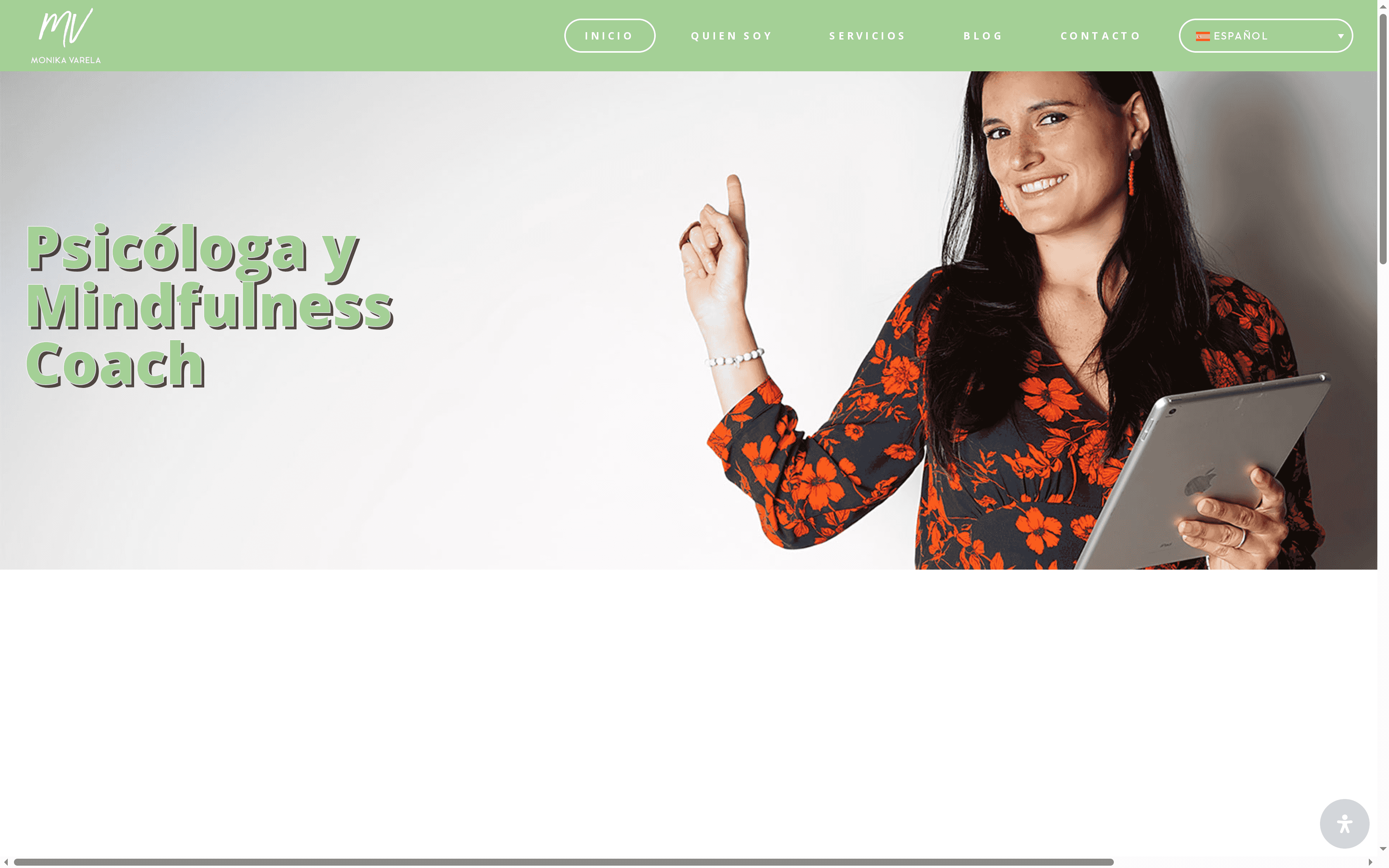
Discover how Monika Varela, a seasoned psychologist and mindfulness coach, can help you develop effective strategies through personalized therapy, workshops, and corporate training sessions. Visit Noticias archivos – Mónika Varela to explore valuable insights and updates that complement these practices. Take the next step toward empowerment and lasting wellbeing by visiting Monikavarela.com today where you can book a consultation, join mindfulness programs, and access resources designed for professionals like you.
Frequently Asked Questions
What are effective mindfulness practices to start my day as a professional?
Begin your day with a mindful morning routine that includes sensory awareness, intentional breathing, and setting a daily intention. Set aside just 5 to 10 minutes for these practices to enhance your mental clarity and resilience throughout the day.
How can I incorporate focused breathing techniques during work breaks?
Integrate focused breathing techniques like the 4-7-8 method or box breathing during your work breaks. Aim for 2 to 3 minutes of targeted breathing to reset your nervous system and improve concentration.
What are some key strategies for practicing mindful listening in meetings?
To enhance mindful listening, engage fully by facing the speaker, maintaining eye contact, and using non-verbal acknowledgments. Start by applying these strategies in one meeting per week to build your capacity for deep, attentive communication.
How can I use body scan techniques to relieve tension during a busy workday?
Implement body scan techniques by taking 3 to 5 minutes during your workday to notice tension in areas like your shoulders and lower back. By focusing on releasing tension regularly, you can promote overall well-being and prevent chronic discomfort.
What simple mindfulness exercises can I integrate into my daily tasks?
Incorporate micro mindfulness exercises, such as taking five intentional breaths between tasks or during routine activities. Start with one or two of these moments daily for a noticeable mental reset and improved emotional balance.
How can I create an effective evening mindfulness routine for better sleep?
Establish an evening mindfulness routine by practicing reflective breathing and doing a body scan for relaxation. Dedicate at least 5 to 10 minutes each evening to this routine to enhance sleep quality and emotional resilience.





Aún no hay comentarios, ¡añada su voz abajo!