



Nearly one out of every five american adults faces a mental health challenge each year, yet finding simple daily strategies that truly help can still feel confusing. With stress and emotional exhaustion on the rise, small habits can make a big difference in mental wellness. This guide gathers evidence-backed practices to strengthen resilience, from mindful breathing to building strong social connections, so you can improve your wellbeing one practical step at a time.
Table of Contents
- 1. Start Your Day With Mindful Breathing Techniques
- 2. Set Healthy Boundaries in Work and Personal Life
- 3. Practice Gratitude to Shift Your Perspective
- 4. Take Regular Breaks for Movement and Rest
- 5. Connect With Others for Social Support
- 6. Prioritize Sleep for Better Emotional Health
- 7. Seek Professional Help When Needed
Quick Summary
| Takeaway | Explanation |
|---|---|
| 1. Start your day with mindful breathing. | Practice intentional breathing for a few minutes each morning to reduce stress and improve mental clarity. |
| 2. Set healthy boundaries to protect your wellbeing. | Clearly communicate your limits to create a healthy separation between work and personal life, reducing stress. |
| 3. Practice daily gratitude for a positive mindset. | Engage in gratitude journaling or meditation to shift your focus from negativity to appreciation, enhancing overall wellbeing. |
| 4. Take regular breaks during work. | Implement structured breaks to refresh your mind and body; this boosts productivity and reduces burnout. |
| 5. Seek professional help when needed. | Recognize signs of distress, and consider therapy or counseling to gain support and improve your emotional health. |
1. Start Your Day With Mindful Breathing Techniques
Starting your day with intentional breathing isn’t just a wellness trend—it’s a powerful mental health strategy backed by scientific research. By dedicating just a few minutes each morning to mindful breathing, you can dramatically transform your stress response and mental clarity.
Research demonstrates remarkable benefits of breathwork interventions. A recent meta-analysis of randomized controlled trials revealed that consistent breathwork techniques are directly associated with lower self-reported stress levels. Moreover, a specific study investigating mindfulness breathing meditation found significant improvements in cognitive flexibility and substantial reductions in perceived stress after just four weeks of practice.
Why Breathing Matters:
- Your breath is a direct connection to your nervous system
- Controlled breathing can shift you from fight or flight mode to a calm state
- It requires zero equipment and can be done anywhere
How to Practice Morning Mindful Breathing
Here’s a simple three minute routine to kickstart your day:
- Sit comfortably with a straight spine
- Close your eyes and focus on your natural breathing rhythm
- Inhale slowly through your nose for four counts
- Hold breath gently for two counts
- Exhale completely through your mouth for six counts
Pro Tip: Consistency trumps perfection. Even imperfect practice yields mental wellness benefits. The cognitive research shows that regular intervention matters more than achieving a perfect technique.
By integrating mindful breathing into your morning routine, you’re not just reducing stress—you’re training your brain to respond more effectively to daily challenges. Start small, be patient with yourself, and watch how this simple practice transforms your mental landscape.
2. Set Healthy Boundaries in Work and Personal Life
Establishing clear boundaries is not about building walls but creating healthy spaces that protect your mental wellbeing and professional relationships. Understanding and implementing boundaries can transform how you interact with work and personal environments.
Why Boundaries Matter:
The Boundary Theory research highlights that maintaining flexible yet clear boundaries between work and personal spheres is critical for preventing stress and maintaining overall wellbeing. This means learning to create intentional separation between your professional responsibilities and personal life.
Key Strategies for Setting Boundaries:
-
Communication is Essential
Practicing bounded emotionality allows you to express emotions authentically while maintaining professional standards. This means communicating your limits clearly and respectfully. -
Physical and Digital Separation
Create distinct physical and digital spaces for work. This might mean:- Designating a specific workspace at home
- Turning off work notifications after hours
- Using separate devices or accounts for professional and personal communication
-
Time Management
Establish clear work hours and personal time. Communicate your availability to colleagues and family members. Learn to say no to requests that encroach on your designated personal time. -
Emotional Boundaries
Recognize that you are not responsible for managing everyone’s emotions. Offer support without taking on others emotional burdens.
Practical Implementation:
Start small. Choose one boundary to implement this week. Maybe it’s not checking work emails after 7 pm or setting a specific time for personal self care. Consistency matters more than perfection.
“Boundaries are a form of self care. They are not selfish. You are not a bad person for having needs.”
Remember that setting boundaries is a skill. It takes practice, patience, and self compassion. As you become more comfortable establishing and maintaining your boundaries, you will notice significant improvements in your stress levels, relationships, and overall mental wellness.
3. Practice Gratitude to Shift Your Perspective
Gratitude is more than a simple thank you—it is a powerful mental wellness strategy that can fundamentally transform your outlook on life. Recognizing and appreciating the positive aspects of your experience can create significant psychological and emotional benefits.
Research published in the Journal of Personality and Social Psychology reveals that practicing gratitude leads to increased well being and positive emotional states. The American Psychological Association further confirms that expressing gratitude can enhance positive emotions and substantially reduce stress.
Why Gratitude Works:
- Redirects focus from negative to positive experiences
- Rewires brain pathways toward optimism
- Reduces stress hormones
- Improves overall mental resilience
Practical Gratitude Techniques:
-
Daily Gratitude Journaling
Spend five minutes each morning or evening writing three specific things you appreciate. These can be small moments like a warm cup of coffee or larger experiences like supportive relationships. -
Gratitude Meditation
Take 10 minutes to sit quietly and mentally list things you are thankful for. Focus on the sensory and emotional details of these experiences. -
Verbal Appreciation
Regularly express genuine thanks to people in your life. This not only boosts their mood but also reinforces your own positive perspective.
Bonus Strategy: Create a “Gratitude Jar”. Write down moments of appreciation on small slips of paper and collect them throughout the year. On challenging days, read through these notes to remind yourself of life’s positive experiences.
Gratitude turns what we have into enough.
Remember that gratitude is a skill. Like any skill, it improves with consistent practice. Start small, be patient with yourself, and watch how this simple mental shift can dramatically enhance your overall sense of wellbeing and happiness.
4. Take Regular Breaks for Movement and Rest
In our hyperconnected world, continuous work might seem productive, but science tells a different story. Regular breaks are not a luxury—they are a critical strategy for maintaining mental wellness and optimizing your performance.
Research in the Journal of Occupational Health Psychology reveals that strategic breaks during work hours can significantly reduce stress and improve overall well being. Furthermore, studies in the Scandinavian Journal of Work, Environment & Health demonstrate that short physical activity breaks during the workday can enhance mental health and productivity.
Why Breaks Matter:
- Reset your mental focus
- Reduce physical and mental fatigue
- Improve cognitive performance
- Lower stress levels
- Prevent burnout
Effective Break Strategies:
-
Pomodoro Technique
Work for 25 minutes, then take a 5 minute break. After four cycles, take a longer 15 20 minute break. This method helps maintain high energy and concentration. -
Movement Breaks
Incorporate short physical activities:- Stretching at your desk
- Walking around your workspace
- Doing simple bodyweight exercises
- Practicing brief standing or walking meditation
-
Mindful Rest
Not all breaks require movement. Sometimes mental rest means:- Deep breathing exercises
- Brief meditation
- Listening to calming music
- Closing your eyes and disconnecting from screens
Pro Tips for Effective Breaks:
- Set reminders to take breaks
- Use break time intentionally
- Avoid checking work emails or social media
- Move your body
- Stay hydrated
Your brain needs rest to perform at its best. Breaks are not a sign of weakness—they are a strategy of the intelligent.
Remember that quality breaks are about intentionality. It is not about the quantity of time but how you use that time to recharge and reset. Start small, experiment with different break techniques, and discover what works best for your unique rhythm and needs.
5. Connect With Others for Social Support
Human connection is not just a social nicety—it is a fundamental pillar of mental wellness. Your relationships are powerful buffers against stress and critical sources of emotional resilience.
Research in the Journal of Health and Social Behavior highlights that social support plays a crucial role in mental health, serving as a protective mechanism against psychological strain. The American Psychological Association further confirms that strong social connections correlate with lower anxiety and depression levels and higher self esteem.
Why Social Connection Matters:
- Provides emotional validation
- Reduces feelings of isolation
- Offers different perspectives
- Creates a support network during challenges
- Boosts overall psychological resilience
Strategic Connection Techniques:
-
Quality Over Quantity
Focus on developing meaningful relationships rather than accumulating numerous superficial connections. Prioritize interactions that feel genuine and supportive. -
Diverse Connection Channels
Explore multiple ways to connect:- Join interest based groups
- Attend community workshops
- Participate in online forums
- Volunteer for local organizations
- Take classes that interest you
-
Vulnerability and Authenticity
Practice sharing your genuine experiences. Authentic communication creates deeper connections and reduces emotional isolation.
Communication Tips:
- Listen actively
- Show genuine interest
- Offer support without judgment
- Be willing to ask for help
- Respect personal boundaries
Connection is the energy that exists between people when they feel seen, heard, and valued.
Remember that building social support is a skill. Start small, be patient with yourself, and recognize that meaningful connections take time to develop. Your mental wellness journey is strengthened by the quality of your relationships.
6. Prioritize Sleep for Better Emotional Health
Sleep is not just a passive recovery period—it is an active restoration process that fundamentally shapes your emotional resilience and mental wellness. Your nighttime hours are when your brain processes emotions, consolidates memories, and prepares you for psychological challenges.
Research in the Journal of Clinical Sleep Medicine reveals that adequate sleep is essential for emotional regulation, with sleep deprivation directly linked to increased emotional reactivity. The American Psychological Association warns that chronic sleep disruption can trigger significant mood disturbances and elevate mental health disorder risks.
Why Sleep Matters for Emotional Health:
- Regulates emotional processing
- Reduces stress hormone levels
- Improves cognitive flexibility
- Enhances mood stability
- Supports psychological recovery
Strategic Sleep Optimization Techniques:
-
Consistent Sleep Schedule
Aim to go to bed and wake up at the same time every day. Your body craves predictable rhythms. -
Create a Relaxation Routine
Develop a calming pre sleep ritual:- Dim lights 1 hour before bedtime
- Avoid screens
- Practice gentle stretching
- Read a physical book
- Use relaxation breathing techniques
-
Environment Optimization
Transform your bedroom into a sleep sanctuary:- Keep room temperature between 60 65 degrees
- Use blackout curtains
- Minimize noise
- Invest in comfortable bedding
Sleep Quality Indicators:
- Wake feeling refreshed
- Fall asleep within 15 20 minutes
- Stay asleep with minimal interruptions
- Feel energized during daytime
Sleep is the golden chain that binds health and our bodies together.
Remember that improving sleep is a gradual process. Be patient with yourself, experiment with different strategies, and listen to your body’s unique rhythms. Your emotional health will thank you for prioritizing rest.
7. Seek Professional Help When Needed
Mental health is not a solo journey. Recognizing when you need additional support is a sign of strength, not weakness. Professional help offers specialized guidance to navigate complex emotional landscapes.
Research in the Journal of Consulting and Clinical Psychology demonstrates that seeking professional mental health services can significantly improve psychological well being and reduce mental disorder symptoms. The American Psychological Association further emphasizes the critical role of professional therapy in addressing mental health challenges and promoting overall wellness.
Signs You Might Need Professional Support:
- Persistent feelings of sadness or anxiety
- Difficulty managing daily responsibilities
- Significant changes in sleep or eating patterns
- Experiencing trauma or major life transitions
- Feeling overwhelmed or stuck
Approaches to Finding Support:
-
Types of Professional Support
Explore different mental health resources:- Individual therapy
- Group counseling
- Online therapy platforms
- Workplace employee assistance programs
- Specialized mental health clinics
-
Overcoming Barriers
Address common hesitations:- Understand that therapy is confidential
- Research sliding scale payment options
- Check insurance coverage
- Consider telehealth alternatives
-
Finding the Right Fit
Tips for selecting a therapist:- Check professional credentials
- Schedule initial consultations
- Trust your comfort level
- Be open about your expectations
Practical First Steps:
- Talk to your primary care physician
- Ask trusted friends for recommendations
- Use professional therapist directories
- Verify therapist specializations
Seeking help is not a sign of weakness. It is a courageous step toward understanding and healing yourself.
Remember that mental health professionals are trained allies in your wellness journey. Every conversation is a step toward greater self understanding and emotional resilience. You do not have to face challenges alone.
Below is a comprehensive table summarizing the key mental wellness strategies discussed throughout the article.
| Strategy | Implementation | Benefits/Outcomes |
|---|---|---|
| Mindful Breathing | Start with a simple 3-minute routine: Sit comfortably, focus on breath, inhale through nose, hold, and exhale through mouth. | Reduces stress, improves cognitive flexibility, enhances mental clarity. |
| Set Boundaries | Communicate limits, separate physical and digital workspaces, manage time, and maintain emotional boundaries. | Protects mental well-being, reduces stress, improves work-life balance. |
| Gratitude Practice | Use journaling, meditation, and verbal appreciation. Consider creating a gratitude jar. | Increases well-being, reduces stress, enhances positive emotions. |
| Regular Breaks | Use the Pomodoro Technique, incorporate movement, and take mindful rests. | Improves focus and cognitive performance, reduces fatigue and stress. |
| Social Connection | Develop quality relationships, explore diverse connection channels, be authentic. | Boosts emotional resilience, reduces feelings of isolation, provides support. |
| Prioritize Sleep | Maintain a consistent schedule, create a relaxation routine, optimize sleep environment. | Enhances mood stability, supports emotional regulation, reduces stress levels. |
| Seek Professional Help | Explore therapy options, overcome barriers, find the right therapist fit. | Improves psychological well-being, assists with managing mental health challenges. |
Transform Your Mental Wellness Journey Today
Feeling overwhelmed by stress or struggling to set healthy boundaries can hold you back from lasting wellbeing. This article highlights essential strategies like mindful breathing, gratitude, and seeking support that can help you regain control of your mental health and emotional resilience. If you find it challenging to practice these tips on your own or want expert guidance to customize these approaches, you are not alone.
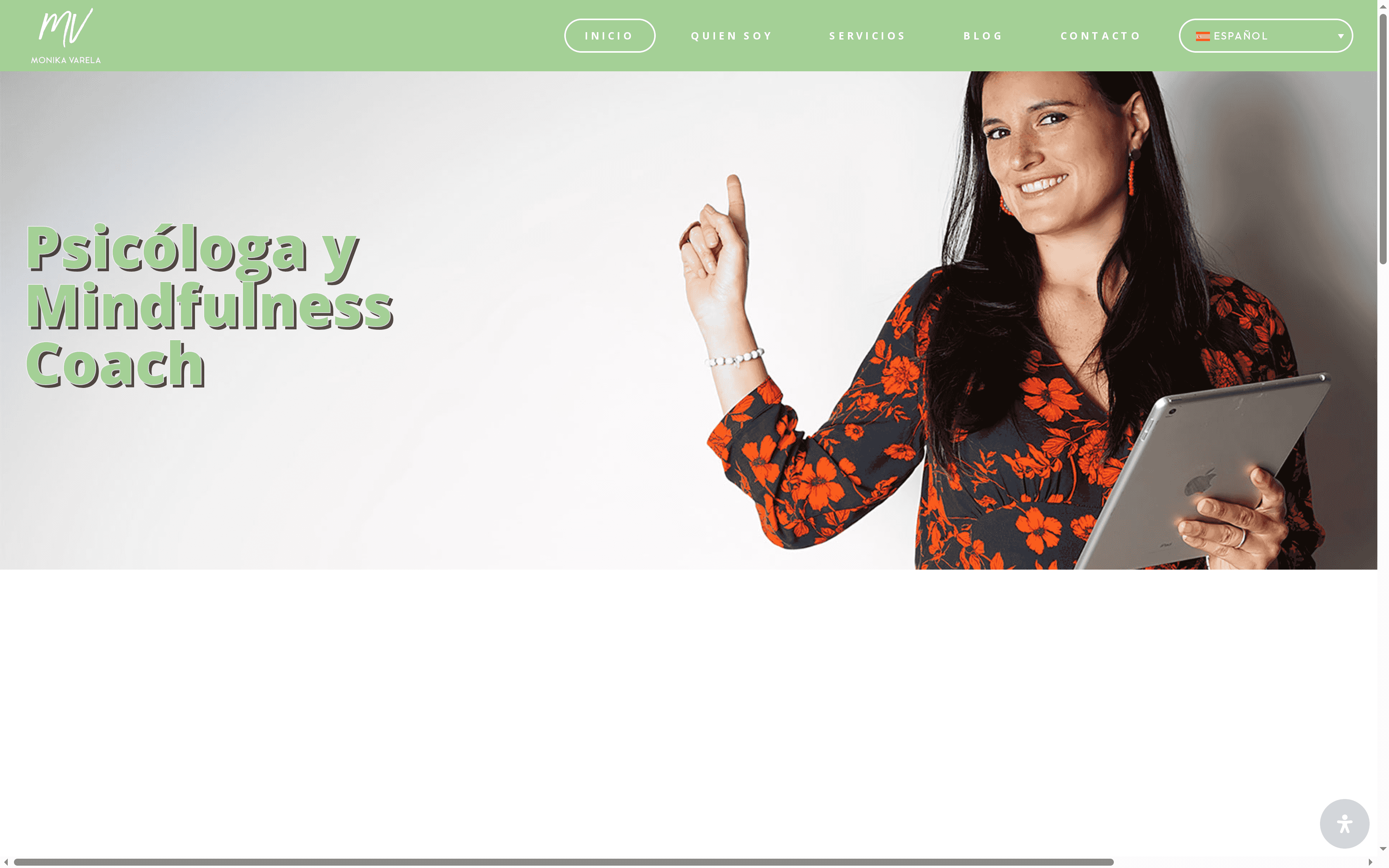
Discover personalized support and professional guidance at Monika Varela’s website. As a psychologist and mindfulness coach, Monika offers tailored psychotherapy, mindfulness workshops, and communication skills training designed to empower your mental wellness journey. Take the critical step now to improve your emotional health and build stronger relationships by exploring her therapeutic and coaching services. Your path to lasting wellbeing begins with expert care and compassionate coaching. Visit Monika Varela and start transforming your life today.
Frequently Asked Questions
How can I incorporate mindful breathing techniques into my morning routine?
Starting your day with mindful breathing techniques can be easy. Set aside three minutes each morning to practice a simple routine of inhaling through your nose, holding your breath, and exhaling through your mouth to promote relaxation.
What are some effective ways to set healthy boundaries at work?
To establish healthy boundaries at work, start by communicating your limits clearly. For instance, decide on specific work hours and stick to them, ensuring both you and your colleagues respect this schedule.
How can I practice gratitude daily for better mental wellness?
You can practice gratitude daily by maintaining a gratitude journal. Spend five minutes each morning or evening writing down three things you appreciate, which can help shift your mindset towards positivity and resilience.
What are the best strategies for taking breaks during work hours?
Incorporate the Pomodoro Technique by working for 25 minutes and then taking a 5-minute break. Use this break to stretch or take a quick walk to help reset your focus and reduce fatigue.
When should I seek professional help for my mental health?
If you experience persistent feelings of sadness or anxiety that interfere with your daily life, it may be time to seek professional help. Look for a therapist or counselor who aligns with your needs, and take the first step towards understanding and healing yourself.
How can I improve my sleep quality for better emotional health?
To improve your sleep quality, aim for a consistent sleep schedule. Try going to bed and waking up at the same time every day, and create a relaxing bedtime routine that helps signal to your body that it’s time to rest.






Aún no hay comentarios, ¡añada su voz abajo!