


Nearly 60 percent of all communication failures can be traced back to misunderstandings and missed signals. Every conversation becomes more meaningful when we truly listen, pause before replying, and choose words that support connection instead of conflict. These practical communication skills matter whether you want to avoid workplace tensions, build stronger relationships, or simply feel heard. Discover how simple techniques can transform daily interactions and lead to deeper trust with others.
Table of Contents
- Listening Without Interrupting
- Pausing Before Responding
- Using Non-Judgmental Language
- Practicing Empathy in Conversation
- Asking Open-Ended Questions
- Expressing Needs Calmly and Clearly
- Reflecting and Paraphrasing for Clarity
Quick Summary
| Takeaway | Explanation |
|---|---|
| 1. Listen Without Interrupting | Listening fully respects the speaker and enhances trust. |
| 2. Pause Before Responding | A brief pause reduces emotional reactions, fostering clarity. |
| 3. Use Non-Judgmental Language | Non-judgmental words open up inclusive and respectful dialogue. |
| 4. Practice Empathy in Conversations | Empathy deepens connections by validating others’ emotional experiences. |
| 5. Ask Open-Ended Questions | Open-ended queries encourage deeper engagement and richer dialogue. |
1. Listening Without Interrupting
True communication is an art form that begins with mastering the skill of listening. Listening without interrupting represents a fundamental yet profound approach to meaningful dialogue that transforms how we connect with others.
When you interrupt someone, you effectively silence their voice and communicate that your thoughts are more important than theirs. Research from Psychological Science Online University emphasizes that active listening involves creating space for the speaker to fully express themselves without judgment or premature interjection.
Key strategies for listening without interrupting include:
- Maintain eye contact to show genuine engagement
- Use nonverbal cues like nodding to demonstrate you are processing their message
- Physically position your body to face the speaker
- Resist the urge to formulate your response while they are talking
Successful listening requires patience and self discipline. By allowing others to complete their thoughts, you demonstrate respect and create an environment where people feel truly heard. This approach not only improves communication but also builds deeper trust and understanding in personal and professional relationships.
Practice mindful listening by consciously pausing before responding. Take a breath after someone finishes speaking. This small moment allows you to process their message and craft a more thoughtful response rather than jumping in with an immediate reaction.
2. Pausing Before Responding
In the fast paced world of communication, our immediate reactions can often derail meaningful conversations. Learning to pause before responding is a powerful skill that transforms how we interact with others.
According to Biri Publishing, pausing creates critical space between a stimulus and our response. This momentary break allows us to shift from reactive to reflective communication, enabling more thoughtful and intentional interactions.
Benefits of pausing before responding include:
- Reducing emotional reactivity
- Creating space for deeper understanding
- Preventing impulsive or hurtful statements
- Demonstrating respect for the speaker
Practically speaking, a pause can be as short as two to three seconds. During this time, take a deep breath and consciously choose your words. This small intervention can prevent misunderstandings and help you communicate with greater empathy and clarity.
Imaging a heated discussion where emotions run high. By pausing, you give yourself permission to respond strategically rather than defensively. You become the master of your communication instead of being controlled by immediate emotional impulses. The pause is your secret weapon for more meaningful and productive conversations.
3. Using Non-Judgmental Language
Language has incredible power. The words we choose can either build bridges of understanding or create walls of misunderstanding. Non-judgmental language represents a compassionate approach to communication that opens doors to genuine connection.
Research from Women in Technology highlights that non-judgmental language is crucial for creating inclusive dialogue. According to Wikipedia’s Active Listening entry, this communication style fosters empathy and understanding, especially when discussing complex or sensitive topics.
Strategies for using non-judgmental language include:
- Replace accusatory statements with observation based descriptions
- Use “I” statements to express your perspective without blaming
- Ask curious questions instead of making assumptions
- Validate others’ experiences without trying to fix or minimize them
Imaging someone shares a challenging personal experience. A judgmental response might sound like “You should have done X.” A non-judgmental approach would be “That sounds really difficult. How are you feeling about it?” This subtle shift demonstrates respect and creates space for genuine understanding.
Practicing non-judgmental language requires self awareness and intentional communication. Start by catching yourself when you feel the urge to criticize or evaluate. Pause. Reframe your thoughts with curiosity and compassion. Your relationships will transform as you master this powerful communication skill.
4. Practicing Empathy in Conversation
Empathy transforms ordinary conversations into profound human connections. More than just listening, empathy involves genuinely understanding another person’s emotional experience from their perspective.
Research exploring communication dynamics suggests that empathetic interactions create deeper engagement. A fascinating study from ArXiv examining social robot interactions reveals how sentiment based responses can significantly enhance communication quality and emotional understanding.
Core elements of practicing empathy include:
- Listening without trying to immediately solve problems
- Reflecting back what you hear to confirm understanding
- Acknowledging the emotions behind someone’s words
- Suspending judgment and personal assumptions
Imagine your friend shares a challenging work experience. An empathetic response would sound like “That sounds incredibly stressful. It seems like you are feeling overwhelmed right now” instead of “You should just quit your job.” This approach validates their emotional experience and creates psychological safety.
Empathy is a skill that requires consistent practice. Start by being curious about others’ experiences. Ask open ended questions. Pay attention to nonverbal cues. Listen not to respond, but to understand. With time, you will develop a more nuanced and compassionate approach to human interaction.
5. Asking Open-Ended Questions
Open-ended questions are the secret weapon of meaningful conversations. Unlike closed questions that can be answered with a simple yes or no, these powerful queries invite deep reflection and rich dialogue.
Research from ArXiv exploring interview techniques highlights how open-ended questions dramatically enhance user engagement and elicit comprehensive responses. According to Wikipedia’s Backchannel linguistics research, these questions serve as conversational catalysts that encourage speakers to elaborate and share more nuanced perspectives.
Characteristics of effective open-ended questions include:
- Starting with “how” or “what” instead of “did” or “are”
- Avoiding questions that can be answered in one word
- Focusing on the speaker’s experience and feelings
- Demonstrating genuine curiosity
Instead of asking “Did you enjoy your vacation?” an open-ended approach would be “What was the most memorable moment of your trip?” This small shift transforms a potential one word response into an invitation for storytelling and deeper connection.
Practicing open-ended questions requires curiosity and intentional listening. Start by replacing your typical closed questions with queries that begin with “how” and “what.” You will be amazed at the rich conversations and insights that emerge when you create space for more expansive responses.
6. Expressing Needs Calmly and Clearly
Communicating your needs effectively is an art that requires emotional intelligence and self awareness. When you express yourself calmly and clearly, you create an environment of mutual understanding and respect.
According to Biri Publishing, pausing before responding is crucial in expressing needs without escalating tension. This approach transforms potentially confrontational conversations into collaborative dialogues.
Key strategies for expressing needs effectively include:
- Use “I” statements to focus on your experience
- Avoid blaming or accusatory language
- Be specific about what you need
- Remain calm and regulated emotionally
- Invite dialogue rather than demand compliance
Imagine you are feeling overwhelmed at work. Instead of saying “You never help me,” a more effective approach would be “I am feeling stressed and could use some support with these projects. Could we discuss how we might redistribute some tasks?”
Practicing calm and clear communication is a skill that improves with intention and practice. Start by noticing your emotional state before important conversations. Take deep breaths. Choose words that are direct yet kind. Your relationships will transform as you master this powerful communication approach.
7. Reflecting and Paraphrasing for Clarity
Reflecting and paraphrasing are communication superheroes that transform misunderstandings into moments of genuine connection. These powerful techniques help ensure that what you heard matches what the speaker actually intended to communicate.
Research from ArXiv examining group discussions reveals how reflective practices significantly enhance understanding. Wikipedia’s Active Listening entry further emphasizes that paraphrasing serves as a critical tool for verifying comprehension and demonstrating genuine engagement.
Effective reflection strategies include:
- Restating the speaker’s main points in your own words
- Using phrases like “So what I hear you saying is…”
- Checking for understanding before responding
- Asking clarifying questions when details seem unclear
- Maintaining a neutral tone while reflecting
Imagine a friend shares a complex work situation. Instead of immediately offering advice, you might respond “It sounds like you are feeling frustrated because your team is not collaborating effectively. Is that correct?”
Practicing reflection requires vulnerability and genuine curiosity. Start by listening without preparing your response. Focus on understanding the emotional landscape behind the words. Your relationships will deepen as you master this compassionate communication skill.
Below is a comprehensive table summarizing the key communication strategies and techniques discussed in the article.
| Strategy | Implementation | Expected Benefits |
|---|---|---|
| Listening Without Interrupting | Maintain eye contact, use nonverbal cues, resist formulating responses while listening. | Builds trust, demonstrates respect, and improves communication. |
| Pausing Before Responding | Pause for 2-3 seconds, breathe, and choose words carefully. | Reduces impulsivity and emotional reactions, enhances clarity. |
| Using Non-Judgmental Language | Use “I” statements, ask questions, validate experiences. | Fosters empathy, avoids conflict, and encourages openness. |
| Practicing Empathy in Conversation | Reflect emotions, suspend judgment, ask open questions. | Deepens connections and emotional understanding. |
| Asking Open-Ended Questions | Begin with “how” or “what,” demonstrate curiosity. | Elicits detailed responses and enriches conversations. |
| Expressing Needs Calmly and Clearly | Use calm tone, “I” statements, invite dialogue. | Promotes understanding and cooperation. |
| Reflecting and Paraphrasing for Clarity | Restate points, ask clarifying questions, check understanding. | Enhances comprehension and reduces misunderstandings. |
Enhance Your Mindful Communication Skills Today
Struggling to truly listen without interrupting or find the calm to express your needs clearly can leave you feeling unheard and disconnected. This article highlights the challenges of staying present in conversations and the power of techniques like pausing before responding and using non-judgmental language. If you want to move beyond momentary tips and develop lasting mindful communication habits that deepen your personal and professional relationships, support is just a click away.
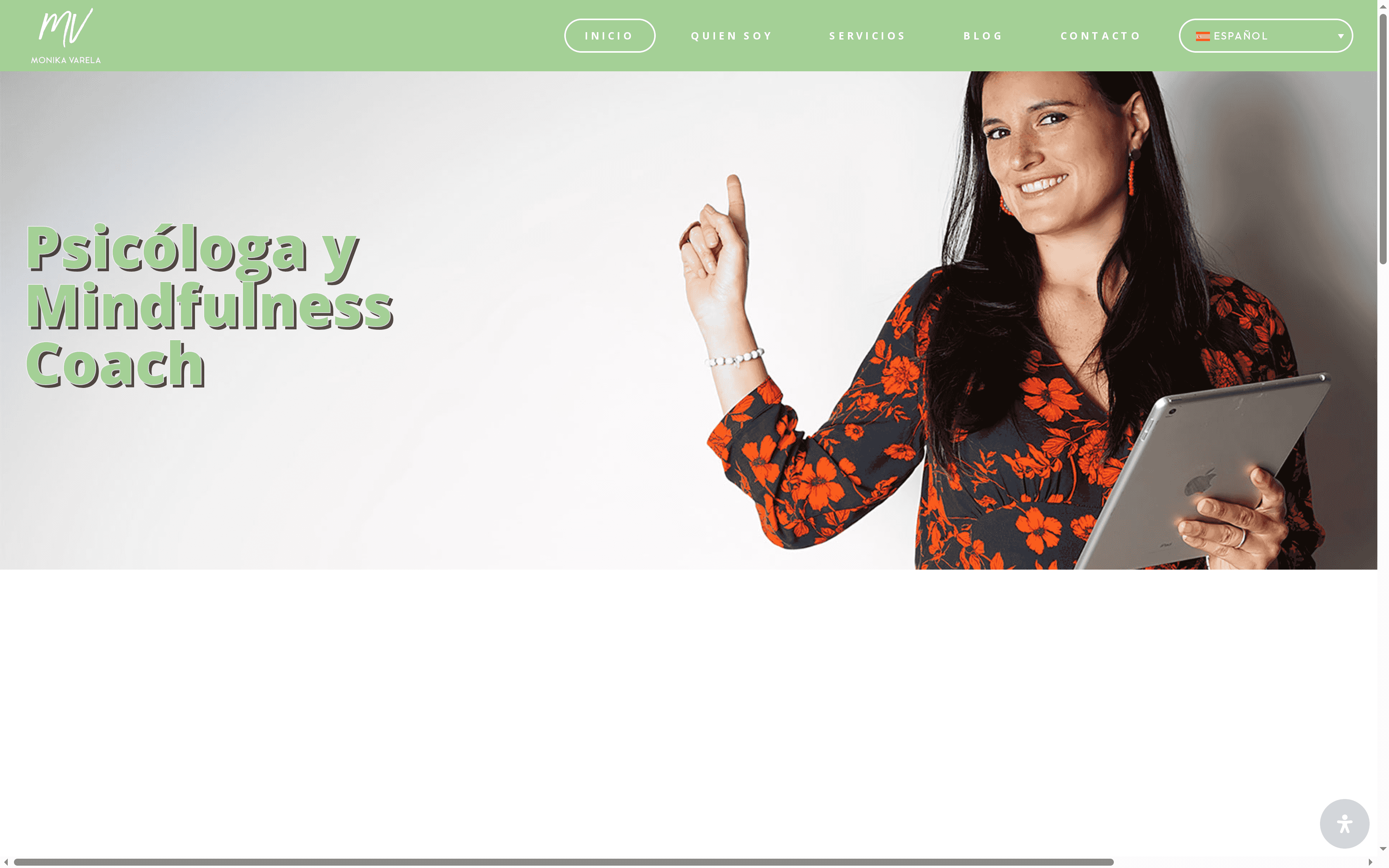
Explore expert guidance and tailored mindfulness training by visiting Noticias archivos – Mónika Varela where you can access valuable insights and updates. Take the next step towards mastering empathy, reflection, and open-ended questioning by booking a session or workshop through Mónika Varela’s homepage. Start transforming your communication now and create the meaningful connections you deserve.
Frequently Asked Questions
How can I practice listening without interrupting during conversations?
To practice listening without interrupting, focus on maintaining eye contact and using nonverbal cues like nodding. Consciously resist the urge to formulate your response while the other person is speaking to create a space for them to fully express their thoughts.
What are some effective ways to pause before responding in a conversation?
To effectively pause before responding, take a deep breath and count to three after the speaker finishes talking. This brief pause allows you to reflect on what has been said, leading to more thoughtful and intentional responses.
How do I use non-judgmental language in my everyday conversations?
Using non-judgmental language involves making observations rather than accusations and asking curious questions. Shift your phrasing from “You should have” to “How are you feeling about that?” to foster a more open and respectful dialogue.
What are some examples of open-ended questions I can ask?
Examples of open-ended questions include “What was the most memorable moment of your trip?” or “How did that experience affect you?” These types of questions invite deeper exploration and more meaningful conversations.
How can I express my needs clearly and calmly during discussions?
To express your needs clearly, use “I” statements to focus on your own experiences, such as “I feel overwhelmed and need support.” Being specific about what you need will encourage constructive dialogue without escalating tension.
Why is reflecting and paraphrasing important in conversations?
Reflecting and paraphrasing are crucial for confirming understanding and ensuring effective communication. Practice by restating the speaker’s main points in your own words to demonstrate genuine engagement and clarify potential misunderstandings.






Aún no hay comentarios, ¡añada su voz abajo!