


Over 70 percent of people report feeling distracted or overwhelmed by their thoughts each day. In a world filled with constant noise, learning how to focus your attention can transform the way you manage stress and connect with yourself and others. Discover the science behind mindfulness, practical techniques you can start right away, and the real impact these practices have on emotional resilience and mental clarity.
Table of Contents
- Defining Mindfulness Techniques And Concepts
- Key Types Of Mindfulness Practices
- Step-By-Step Mindfulness Exercises
- Benefits Of Mindfulness For Individuals And Teams
- Common Pitfalls And How To Avoid Them
Key Takeaways
| Point | Details |
|---|---|
| Mindfulness Definition | Mindfulness is a deliberate mental practice focused on present awareness, enhancing emotional regulation and cognitive functioning. |
| Core Components | Key aspects include observing experiences without reactivity, describing sensations, acting with awareness, and accepting experiences non-judgmentally. |
| Practice Types | Diverse methods such as focused meditation, loving-kindness meditation, and movement meditation cultivate present-moment awareness and emotional resilience. |
| Benefits for Individuals and Teams | Mindfulness improves emotional regulation and cognitive flexibility for individuals, while fostering empathy and collaboration in team dynamics. |
Defining Mindfulness Techniques and Concepts
Mindfulness is a transformative mental practice that involves deliberately focusing one’s awareness on the present moment with curiosity and without judgment. Contemplative neuroscience reveals that these practices fundamentally change how our brain processes experiences, creating profound shifts in emotional regulation and cognitive functioning.
Core Components of mindfulness include:
- Observing internal and external experiences without reactivity
- Describing sensations, thoughts, and emotions with precision
- Acting with awareness instead of operating on autopilot
- Accepting experiences without immediate criticism or resistance
The Kentucky Inventory of Mindfulness Skills KIMS provides a structured framework for understanding these components, highlighting how mindfulness is not just a passive state but an active, intentional approach to experiencing life. By systematically training attention and cultivating non-judgmental awareness, practitioners develop remarkable capacities for emotional resilience and mental clarity.
Practicing mindfulness isn’t about achieving a perfect state of calm, but about developing a compassionate relationship with your inner experiences. It’s learning to observe your thoughts like passing clouds, acknowledging them without getting swept away. This skill transforms how we respond to stress, challenges, and our own internal narratives, creating space between stimulus and reaction.
Key Types of Mindfulness Practices
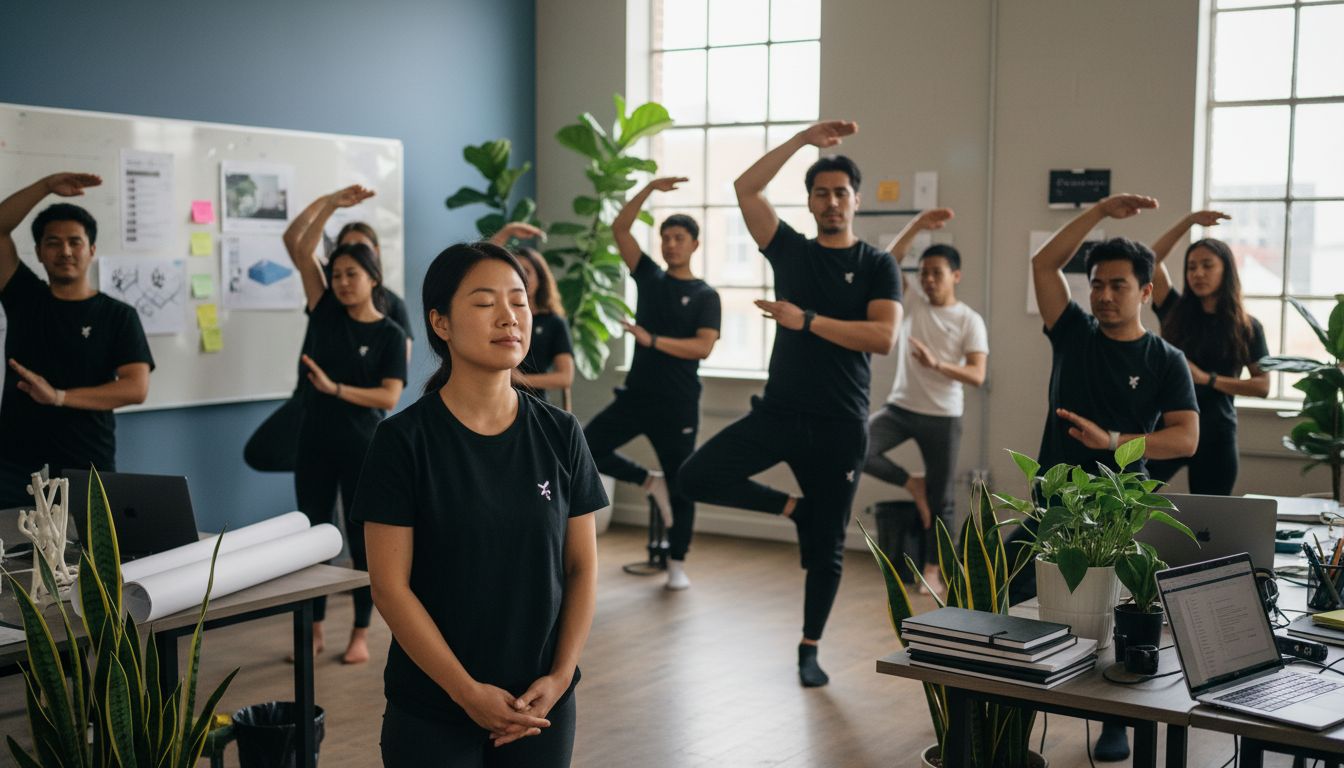
Mindfulness is a diverse field with multiple practices designed to cultivate present-moment awareness and inner peace. Healthline highlights several key approaches that help practitioners develop different aspects of mental well-being and cognitive flexibility.
Key Mindfulness Practice Types include:
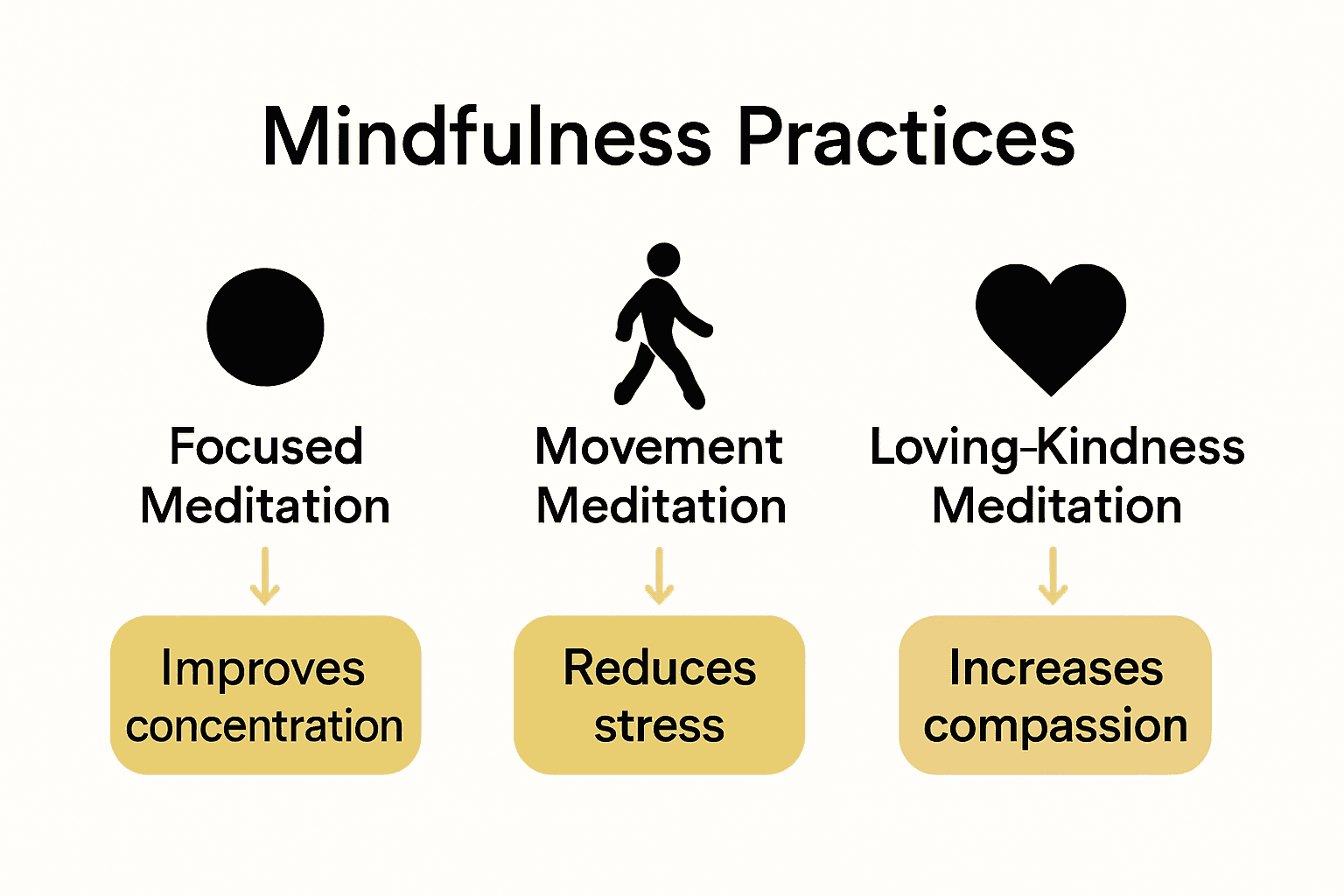
- Focused Meditation: Concentrating on a single point of reference
- Movement Meditation: Integrating mindful awareness during physical activity
- Loving-Kindness Meditation: Developing compassion toward self and others
- Mantra Meditation: Using repeated sounds or phrases to anchor attention
- Visualization Meditation: Creating mental images to promote relaxation
Spiritual meditation offers a profound approach for those seeking deeper connection with their inner self or a higher spiritual dimension. Unlike traditional relaxation techniques, these practices go beyond stress reduction, aiming to create fundamental shifts in perception and emotional processing. Practitioners learn to observe thoughts without attachment, developing a more spacious and compassionate relationship with their inner experiences.
Progressive relaxation and transcendental meditation represent additional sophisticated techniques that help individuals systematically release physical tension and mental turbulence. By training attention and cultivating non-judgmental awareness, these practices enable practitioners to navigate life’s challenges with greater emotional resilience and mental clarity. The goal isn’t achieving a perfect state of calm, but developing a more balanced, responsive approach to living.
Step-By-Step Mindfulness Exercises
Mindfulness is not a distant concept but a practical skill anyone can develop through consistent practice. ArXiv Research suggests that sustainable mindfulness emerges from integrating brief exercises and maintaining social accountability in your daily routine.
Beginner Mindfulness Exercises:
-
Breath Awareness Meditation
- Find a quiet, comfortable space
- Sit in a relaxed position with your spine straight
- Close your eyes and focus on your natural breathing rhythm
- When thoughts arise, gently redirect attention back to your breath
-
Body Scan Practice
- Lie down or sit comfortably
- Start at your toes and progressively move attention upward
- Notice physical sensations without judgment
- Release tension with each exhale
Consistent practice is key to developing mindfulness skills. Just like physical exercise builds muscle memory, mental training strengthens your ability to stay present and engaged. Research indicates that even short 5-10 minute daily sessions can produce significant cognitive and emotional benefits. The goal isn’t perfection but persistent, compassionate self-observation.
Advanced practitioners recommend creating personal accountability through techniques like journaling, sharing experiences with supportive groups, or working with a mindfulness coach. By transforming mindfulness from an occasional activity to a lifestyle approach, you’ll gradually develop greater emotional resilience, improved focus, and a deeper understanding of your inner landscape.
Benefits of Mindfulness for Individuals and Teams
Mindfulness offers transformative benefits that extend far beyond personal stress reduction, impacting both individual performance and collective team dynamics. ArXiv Research demonstrates how innovative techniques like artistic visualization of physiological signals can significantly enhance relaxation and stress management effectiveness.
Individual Benefits of Mindfulness:
- Improved emotional regulation
- Enhanced cognitive flexibility
- Reduced anxiety and depression symptoms
- Increased self-awareness
- Better decision-making capabilities
For teams, mindfulness creates a powerful collective environment of empathy, communication, and resilience. When individual team members develop mindful practices, they become more adaptable, emotionally intelligent, and capable of navigating complex interpersonal challenges. This translates into improved collaboration, reduced workplace conflicts, and a more supportive organizational culture.
Advanced research suggests that Mastering Mindfulness for Professionals goes beyond personal development—it becomes a strategic approach to workplace wellness. By cultivating present-moment awareness, professionals can transform potential stress triggers into opportunities for growth, creativity, and meaningful connection. The ultimate goal isn’t just individual calm, but creating resilient, compassionate systems where human potential can truly flourish.
Common Pitfalls and How to Avoid Them
ArXiv Research highlights that mindfulness practice involves complex psychological processes where practitioners can easily encounter subtle challenges that may impede their progress. Understanding these potential pitfalls is crucial for developing a sustainable and effective mindfulness approach.
Key Mindfulness Practice Pitfalls:
- Unrealistic Expectations: Believing mindfulness will instantly solve all problems
- Forcing Concentration: Trying too hard to control thoughts
- Inconsistent Practice: Treating mindfulness as an occasional activity
- Self-Criticism: Judging yourself harshly during meditation
- Spiritual Bypassing: Using mindfulness to avoid confronting real emotional issues
According to neuroimaging research from ArXiv, different meditation styles activate distinct brain regions, suggesting that a one-size-fits-all approach can be counterproductive. Practitioners should remain flexible and open to exploring various techniques that resonate with their individual cognitive and emotional landscape.
To truly benefit from mindfulness, approach your practice with curiosity, compassion, and patience. Recognize that occasional mental wandering is normal, and each moment of returning to awareness is itself a valuable part of the practice. Why Join Mindfulness Workshops can provide structured guidance to help navigate these common challenges and develop a more nuanced, sustainable mindfulness practice.
Discover How Mindfulness Can Transform Your Life Today
If you have read “Mindfulness Techniques Explained: Complete Guide,” you know how challenging it can be to develop consistent mindfulness practice without clear guidance. The article highlights common struggles like unrealistic expectations, self-criticism, and the need for compassionate, patient awareness. These are real obstacles that can leave you feeling stuck or overwhelmed.
At Monikavarela.com, Monika Varela specializes in helping individuals and professionals overcome these hurdles through tailored mindfulness workshops and coaching. Her approach focuses on building emotional resilience, improving cognitive flexibility, and nurturing a sustained, meaningful connection with your present experience.
Take control of your mental wellness and break free from stress patterns by exploring Mindfulness Workshops designed to fit your unique needs. Starting your mindful journey now means gaining tools that can change not only how you respond to challenges but also how you thrive in daily life. Visit Monikavarela.com and book your first step toward lasting inner clarity and peace.
Frequently Asked Questions
What are the core components of mindfulness?
The core components of mindfulness include observing experiences without reactivity, describing sensations and emotions accurately, acting with awareness instead of on autopilot, and accepting experiences without judgment.
What types of mindfulness practices are available for beginners?
Beginners can explore various mindfulness practices such as focused meditation, movement meditation, loving-kindness meditation, mantra meditation, and visualization meditation.
How can I start practicing mindfulness exercises?
You can start practicing mindfulness exercises by incorporating simple techniques like breath awareness meditation or a body scan practice into your daily routine, dedicating 5-10 minutes each day to these exercises.
What are common pitfalls in mindfulness practice and how can I avoid them?
Common pitfalls include having unrealistic expectations, forcing concentration, inconsistent practice, self-criticism, and spiritual bypassing. To avoid these, approach mindfulness with curiosity and compassion, allowing yourself to be flexible and patient during practice.





Aún no hay comentarios, ¡añada su voz abajo!