


Over 80 percent of American employees say workplace communication problems hurt their productivity. Strong leadership is grounded in clear, purposeful conversation that fuels both trust and results. When leaders communicate with intention and listen actively, teams become more engaged and solutions-focused. This guide lays out actionable ways to improve every interaction, from mastering clarity in your first words to adapting your approach for every audience.
Table of Contents
- 1. Start Conversations With Clarity And Purpose
- 2. Practice Active Listening In Every Interaction
- 3. Use Empathy To Build Strong Relationships
- 4. Give Constructive Feedback With Respect
- 5. Adapt Your Communication Style For Each Audience
- 6. Manage Conflict With Calm And Mindfulness
- 7. Encourage Open Dialogue And Team Trust
Quick Summary
| Takeaway | Explanation |
|---|---|
| 1. Start with clarity using BLUF model | Present your core message first to ensure understanding and engagement from the start. |
| 2. Master active listening techniques | Engage fully with speakers to build trust and resolve conflicts effectively. |
| 3. Practice empathetic communication | Recognize and validate team members’ emotions to foster strong, collaborative relationships. |
| 4. Provide respectful constructive feedback | Focus on specific behaviors and create a supportive environment for growth. |
| 5. Adapt communication style to your audience | Tailor your approach to suit the communication preferences and backgrounds of different team members. |
1. Start Conversations with Clarity and Purpose
As a leader, your first words can set the entire tone and trajectory of a communication exchange. The Bottom Line Up Front (BLUF) communication model offers a powerful strategy for initiating conversations with precision and impact.
Effective leadership communication demands that you present your core message immediately, eliminating unnecessary buildup or ambiguity. According to research from International Research Journal , structured messages facilitate better understanding and team engagement.
Key Implementation Steps:
- State your primary objective within the first 30 seconds
- Use clear, direct language that leaves no room for misinterpretation
- Frame your message around the specific outcome you want to achieve
Imaging walking into a meeting and saying “I need your team to reduce project completion time by 15% over the next quarter” instead of meandering through background details. This approach signals professional intentionality and respects your colleagues’ time and cognitive bandwidth.
The BLUF method transforms communication from passive information sharing to active problem solving. By leading with your central point, you create immediate context, reduce potential misunderstandings, and demonstrate confident leadership.
2. Practice Active Listening in Every Interaction
True leadership transcends talking and requires mastering the art of listening. Active listening is not just hearing words but understanding the complete message your team members communicate.
According to research from Center for Creative Leadership, active listening involves fully concentrating on the speaker, comprehending their underlying message, and responding thoughtfully. This skill is crucial for building trust and resolving potential conflicts within your team.
Practical Active Listening Techniques:
- Maintain consistent eye contact
- Avoid interrupting the speaker
- Ask clarifying questions
- Provide verbal and nonverbal feedback
- Reflect back what you heard to confirm understanding
Research from Michigan State University highlights that leaders who practice active listening demonstrate profound respect for their team members’ perspectives. This approach fosters a positive work environment and significantly enhances team dynamics.
Importantly, active listening is not about agreeing with everything said but about creating a safe space for genuine communication. By showing you truly hear and value your team’s input, you transform conversations from transactional exchanges into meaningful dialogues that drive collective success.
3. Use Empathy to Build Strong Relationships
Empathy is the secret weapon of extraordinary leaders. More than just understanding emotions, empathetic leadership transforms workplace interactions from transactional exchanges to meaningful connections.
Research from International Research Journal reveals that empathetic leadership communication significantly strengthens organizational culture by acknowledging and valuing diverse perspectives. According to ArXiv Research, emotional intelligence particularly empathy is crucial for building cohesive and motivated teams.
Empathy Implementation Strategies:
- Pause and listen without immediately offering solutions
- Ask open ended questions about team members experiences
- Validate feelings before problem solving
- Practice perspective taking during challenging conversations
- Recognize individual team members unique working styles
Empathy does not mean agreeing with everyone or becoming overly emotional. Instead, it means creating psychological safety where team members feel genuinely heard and understood. By demonstrating that you care about their experiences and perspectives, you build trust that transcends professional boundaries.
When leaders approach interactions with authentic empathy, they unlock powerful team dynamics. Your willingness to understand before being understood becomes the foundation of resilient, collaborative relationships that drive exceptional organizational performance.
4. Give Constructive Feedback with Respect
Mastering the art of constructive feedback is a critical leadership skill that can make or break team performance. Respectful communication transforms potentially challenging conversations into opportunities for genuine growth and development.
According to research from the Center for Creative Leadership, providing constructive feedback requires clear communication that focuses on specific behaviors and offers actionable guidance for improvement. International Research Journal confirms that respectful feedback from leaders directly enhances team performance while maintaining positive relationships.
Constructive Feedback Framework:
- Begin with positive observations
- Describe specific behaviors not personal characteristics
- Offer clear suggestions for improvement
- Create a collaborative improvement plan
- Follow up with supportive monitoring
The goal of constructive feedback is not to criticize but to illuminate potential. When you approach feedback as a supportive dialogue rather than a judgment, you create a safe environment where team members feel valued and motivated to grow. Your words become a tool for professional development rather than a weapon of criticism.
Remember that great leaders see feedback as a two way street. By modeling openness to receiving feedback yourself, you demonstrate vulnerability and create a culture of continuous improvement and mutual respect.
5. Adapt Your Communication Style for Each Audience
Effective leadership requires more than a one size fits all communication approach. Communication flexibility is the hallmark of exceptional leaders who can seamlessly navigate diverse interaction scenarios.
According to Motivating Language Theory, successful leaders blend direction giving, empathetic, and meaning making language to suit different audiences. Research from the International Research Journal confirms that tailoring communication styles enhances message clarity and engagement.
Audience Adaptation Strategies:
- Assess your audience’s communication preferences
- Adjust your tone and complexity based on listener’s background
- Use technical language with experts
- Simplify explanations for broader audiences
- Pay attention to nonverbal communication cues
Think of communication like speaking multiple languages. An engineer might appreciate detailed technical explanations, while a creative team member might respond better to narrative driven descriptions. Your ability to switch between these communication modes demonstrates true leadership intelligence.
By becoming a communication chameleon, you create an inclusive environment where everyone feels understood. Your message becomes less about how you want to speak and more about ensuring your audience truly receives and connects with what you are saying.
6. Manage Conflict with Calm and Mindfulness
Conflict is inevitable in any professional environment, but how you handle it defines your leadership effectiveness. Mindful conflict management transforms potential explosions into opportunities for understanding and growth.
According to research from the International Research Journal, approaching conflicts with mindfulness allows leaders to address issues thoughtfully, reducing tension and promoting meaningful resolution.
Mindful Conflict Resolution Techniques:
- Pause and take three deep breaths before responding
- Listen to understand not to defend
- Acknowledge emotions without becoming emotional
- Seek common ground and shared objectives
- Separate the person from the problem
Mindfulness during conflict is not about suppressing emotions but about creating space between stimulus and response. When you remain calm, you signal emotional intelligence and create an environment where difficult conversations can happen productively. Your composure becomes a powerful tool that transforms potential confrontations into collaborative problem solving sessions.
Remember that great leaders do not eliminate conflict they navigate it with grace, empathy, and a commitment to mutual understanding. By practicing mindfulness, you turn challenging interactions into opportunities for team growth and collective learning.
7. Encourage Open Dialogue and Team Trust
Trust is the invisible foundation of high performing teams. Open dialogue transforms workplace interactions from transactional exchanges to collaborative partnerships where everyone feels genuinely heard and valued.
Research from the Center for Creative Leadership reveals that active listening by leaders encourages open dialogue and demonstrates that team members inputs are truly appreciated. According to Michigan State University, leaders who foster open communication create environments of profound trust and collaboration.
Trust Building Communication Strategies:
- Create regular opportunities for team feedback
- Respond to input with genuine curiosity
- Acknowledge team members perspectives
- Share organizational context transparently
- Demonstrate vulnerability by admitting your own limitations
Open dialogue is not about agreeing with everything but creating psychological safety. When team members believe their voices matter and will be heard without judgment, they become more engaged innovative and committed to collective success.
Remember that trust is not built through grand gestures but through consistent small interactions. Your commitment to genuine dialogue signals that you view your team not as resources but as valued partners in achieving meaningful outcomes.
Below is a comprehensive table summarizing the key leadership communication strategies and their implementation as discussed in the article.
| Strategy | Implementation | Expected Results |
|---|---|---|
| Start Conversations with Clarity | Use the BLUF model, state objectives upfront, use direct language | Clear communication, reduced misunderstandings, confident leadership |
| Practice Active Listening | Maintain eye contact, avoid interruptions, ask questions, provide feedback | Builds trust, resolves conflicts, enhances team dynamics |
| Use Empathy | Listen without offering solutions, validate feelings, ask open-ended questions | Stronger relationships, team cohesion, improved organizational culture |
| Give Constructive Feedback | Begin positively, focus on behaviors, offer suggestions, plan collaboratively | Team growth, safe environment, motivation |
| Adapt Communication Style | Assess audience, adjust tone, use technical language appropriately | Improved message clarity, enhanced engagement |
| Manage Conflict Mindfully | Pause before responding, seek common ground, separate person from problem | Reduced tension, productive conversations, mutual understanding |
| Encourage Open Dialogue | Create feedback opportunities, respond with curiosity, share context | High trust, innovation, engaged team members |
Elevate Your Leadership Communication with Expert Mindfulness and Coaching
Leaders often struggle with expressing clarity, practicing active listening, and managing conflict calmly. The article highlights core challenges like delivering the Bottom Line Up Front, giving respectful feedback, and adapting communication style to diverse audiences. If you want to break free from misunderstandings and foster deep trust and engagement within your team, developing these essential communication skills is a must. You deserve support that not only teaches techniques but also nurtures emotional intelligence and mindfulness.
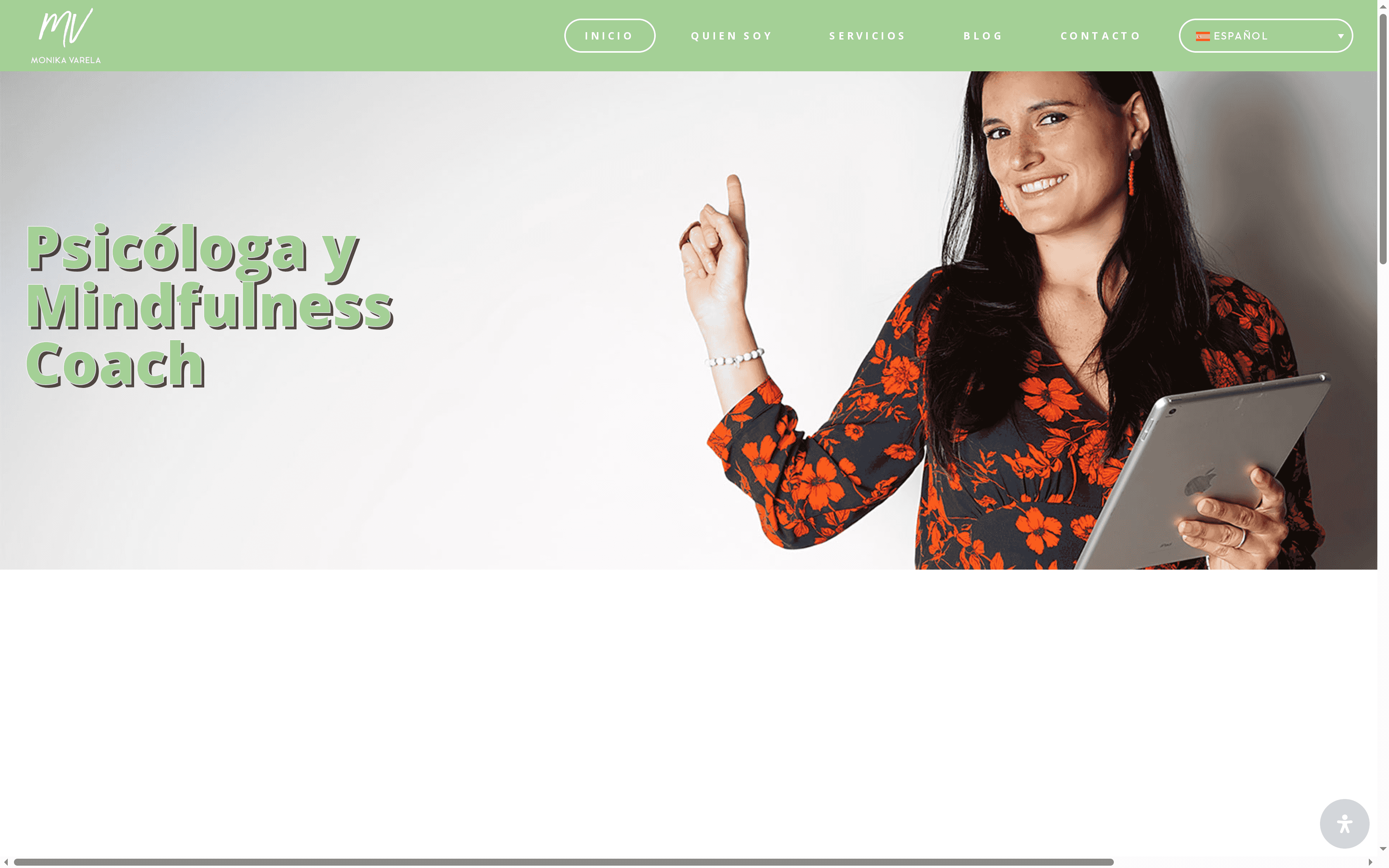
Unlock your potential with personalized guidance from Monika Varela, a psychologist and mindfulness coach who specializes in professional communication and leadership development. Explore transformative mindfulness workshops and tailored coaching to build empathy, calm conflict, and lead with confidence. Take the next step toward empowered communication and visit Monika Varela today to book a session or learn more about her unique approach. Your team and your future self will thank you.
Frequently Asked Questions
How can I apply the BLUF communication model in my leadership style?
Using the BLUF model means communicating your main point right away, which sets a clear tone for conversations. Start meetings by stating your primary objective within the first 30 seconds to ensure everyone understands your intentions immediately.
What are effective techniques for practicing active listening as a leader?
To practice active listening, maintain eye contact, avoid interruptions, and ask clarifying questions. Make it a habit to reflect back what you heard to confirm understanding, and try implementing these techniques consistently in your next team meeting.
How do I give constructive feedback without diminishing my team’s morale?
Start with positive observations, focus on specific behaviors rather than personal attributes, and suggest actionable improvements. Aim to create a supportive dialogue, ensuring team members feel valued and motivated by scheduling regular feedback sessions.
What strategies can I use to adapt my communication style for different audiences?
Assess your audience’s background and adjust your language accordingly, using technical terms for experts and simpler explanations for broader audiences. Practice this flexibility by preparing your messages tailored to the specific needs of each group you interact with.
How can I manage conflicts effectively in my team?
Approach conflicts with mindfulness by taking deep breaths and listening to understand rather than just defend your position. Use these techniques during any conflict scenario to create a calm environment conducive to productive discussions.
What steps can I take to encourage open dialogue and build trust with my team?
Create regular opportunities for team feedback and respond to input with genuine curiosity. Demonstrating vulnerability by sharing your own limitations can also foster a safe space for open communication and strengthen team relationships.





Aún no hay comentarios, ¡añada su voz abajo!