


Over half of American adults report feeling stressed most days according to recent surveys. In a world filled with constant distractions and fast-paced demands, finding effective ways to maintain mental clarity is more crucial than ever. This guide gathers practical mindful habits designed for American readers who want less stress and more balance, blending science-backed techniques with everyday ease so you can cultivate calm no matter where your day takes you.
Table of Contents
- 1. Start With Daily Mindful Breathing Sessions
- 2. Set Clear Intentions For Each Day
- 3. Incorporate Gentle Mindful Movement
- 4. Practice Non-Judgmental Self-Awareness
- 5. Integrate Mindful Communication At Work
- 6. Use Mindfulness Tools And Apps Consistently
- 7. Reflect And Adjust Your Checklist Regularly
Quick Summary
| Key Insight | Explanation |
|---|---|
| 1. Start Mindful Breathing Daily | Practicing mindful breathing for 5 to 20 minutes daily can enhance your mental well-being and reduce stress. |
| 2. Set Daily Intentions | Begin each day with clear intentions to cultivate mindfulness and align your actions with your values. |
| 3. Incorporate Mindful Movement | Engage in gentle movements like yoga or walking meditation to connect your body and mind deeply. |
| 4. Practice Non-Judgmental Awareness | Observe your thoughts and emotions without criticism to foster compassion and reduce mental suffering. |
| 5. Reflect and Adjust Regularly | Regularly assess your mindfulness practices to ensure continuous growth and adaptation in your journey. |
1. Start with Daily Mindful Breathing Sessions
Breathing is more than just a biological function it can be a powerful tool for mental wellness and stress reduction. Mindful breathing transforms an unconscious process into a deliberate practice of awareness and calm.
The power of mindful breathing lies in its simplicity and accessibility. When you intentionally focus on your breath, you create a direct pathway to reducing stress and increasing present moment awareness. Research from UK Healthcare suggests practicing mindful breathing for 5 to 20 minutes once or twice daily can significantly improve mental well-being.
How to Practice Mindful Breathing:
- Choose a Quiet Space: Find a comfortable location where you won’t be disturbed
- Sit Comfortably: Maintain an upright posture with relaxed shoulders
- Set a Timer: Start with 3 to 5 minutes and gradually increase duration
- Focus on Breath: Observe your natural breathing rhythm without trying to change it
- Gently Redirect Wandering Thoughts: When your mind drifts, return attention to your breath
“A single mindful breath can reconnect you to the present moment and alleviate stress.”
Begin with the University of Utah Health’s ‘Three Mindful Breaths’ technique. This simple practice involves setting reminders throughout your day to pause and take three deliberate, conscious breaths. These moments of mindfulness can help reset your nervous system, reduce anxiety, and improve overall emotional regulation.
Remember that mindful breathing is a skill. Be patient with yourself as you develop this practice, and understand that consistency matters more than perfection.
2. Set Clear Intentions for Each Day
Intentionality transforms ordinary moments into meaningful experiences. Setting clear daily intentions provides a roadmap for mindful living and helps you align your actions with your deepest values.
Mindful practices reveal that intention setting is more than wishful thinking it is a deliberate strategy for creating purpose and direction in your day. By connecting with your breath and reflecting on your goals, you create a powerful mental framework that guides your thoughts and actions.
Why Intentions Matter:
- Provide Mental Clarity: Intentions help focus your mind and reduce scattered thinking
- Create Emotional Resilience: Clear goals help manage stress and unexpected challenges
- Promote Proactive Behavior: You become an architect of your day instead of a passive participant
Practical Intention Setting Process:
- Morning Reflection: Take 3 to 5 minutes after waking to connect with your breath
- Speak Intentions Aloud: Use positive affirmations that resonate with your goals
- Visualize Success: Picture yourself moving through the day with grace and purpose
- Choose a Daily Mantra: Examples include “I am calm and focused” or “Everything flows easily today”
“Your intention creates the blueprint for your daily experience.”
Start small. Even one intentional thought can transform your entire day. The goal is not perfection but consistent mindful awareness. As you practice, you will develop a more intuitive sense of how to guide your energy and attention.
3. Incorporate Gentle Mindful Movement
Movement is not just exercise it is a profound pathway to connecting your body and mind through intentional awareness. Gentle mindful movement transforms physical activity from a mechanical routine into a deeply meditative practice.
Why Mindful Movement Matters:
- Reduces Physical Tension: Helps release stored stress in muscle groups
- Increases Body Awareness: Develops a deeper connection between mental and physical experiences
- Promotes Emotional Regulation: Creates space for processing feelings through intentional motion
- Improves Overall Flexibility: Both in body and mental perspectives
Gentle Movement Options:
- Yoga: Slow flow sequences with focused breathing
- Walking Meditation: Deliberate steps with full attention to bodily sensations
- Stretching: Mindful movements that emphasize breath and bodily awareness
- Tai Chi: Fluid motions combining physical and mental concentration
Key Principles for Mindful Movement:
- Move slowly and with full attention
- Synchronize breath with each motion
- Notice physical sensations without judgment
- Allow your body to guide the movement
- Maintain a curious and compassionate inner dialogue
“Movement is the song of the body.”
Start with just 10 minutes daily. Your practice does not need to be perfect it simply needs to be present. Listen to your body and move in ways that feel natural and comfortable. Remember that mindful movement is about experiencing the present moment through physical awareness.
4. Practice Non-Judgmental Self-Awareness
Self-awareness is not about critiquing yourself it is about understanding your inner landscape with compassion and curiosity. Mindful observation allows you to witness your thoughts and emotions without getting entangled in their narrative.
What Non-Judgmental Awareness Means:
- Observe Without Criticism: Watch your thoughts like passing clouds
- Accept Your Current Experience: Recognize feelings without labeling them good or bad
- Develop Emotional Neutrality: Create space between stimulus and response
- Reduce Unnecessary Mental Suffering: Stop fighting against your inner experiences
Practical Strategies for Non-Judgmental Awareness:
- Meditation Technique: Sit quietly and observe thoughts without engaging
- Breathing Anchor: Use breath as a neutral point of focus
- Mental Labeling: Gently name emotions without attaching stories
- Compassionate Self-Talk: Replace harsh inner critic with kind understanding
Key Awareness Principles:
- Thoughts are not facts
- Emotions are temporary experiences
- You are not your thoughts
- Acceptance does not mean agreement
“Awareness is the first step toward transformation.”
Start small. Spend just 5 minutes daily practicing non-judgmental observation. Your goal is not to change anything but simply to witness your inner world with gentle curiosity. Remember that self-awareness is a skill it improves with consistent practice.
5. Integrate Mindful Communication at Work
Workplace communication is an art that goes beyond simply exchanging words it involves creating genuine connections and understanding. Mindful communication tools can transform ordinary interactions into opportunities for deeper understanding and collaboration.
Core Principles of Mindful Communication:
- Active Listening: Fully engage without preparing your response
- Suspend Judgment: Create space for diverse perspectives
- Speak with Intention: Choose words that convey respect and clarity
- Observe Non Verbal Cues: Notice body language and emotional undertones
Practical Communication Strategies:
- Pause Before Responding: Take a breath to center yourself
- Use ‘I’ Statements: Express feelings without blaming
- Practice Empathetic Reflection: Validate others’ experiences
- Maintain Emotional Neutrality: Separate facts from emotional reactions
Workplace communication requires setting clear intentions and adopting positive mental frameworks. Begin each interaction by visualizing a constructive dialogue and approaching conversations with an open mind.
Communication Mindset:
- Curiosity over certainty
- Understanding over being right
- Connection over competition
- Compassion over criticism
“True communication happens when we listen with our entire being.”
Start small. Choose one meeting or conversation where you will consciously practice mindful communication. Remember that mastery comes through consistent gentle practice.
6. Use Mindfulness Tools and Apps Consistently
Technology offers powerful allies in our mindfulness journey. Mindfulness practices become more accessible and sustainable when supported by digital tools that guide and track your progress.
Benefits of Consistent Digital Mindfulness:
- Structured Learning: Guided sessions and progressive modules
- Accountability: Tracking and reminder systems
- Flexibility: Practice anytime and anywhere
- Personalized Experience: Adaptive content matching your skill level
Selecting Effective Mindfulness Tools:
- Look for Scientifically Validated Apps: Prefer tools developed with expert input
- Choose User Friendly Interfaces: Intuitive designs reduce friction
- Prioritize Quality Content: Seek apps with diverse meditation styles
- Check Offline Capabilities: Ensure you can practice without internet
Breathing techniques form the cornerstone of digital mindfulness resources. These tools can help you master controlled breathing patterns that reduce stress and increase mental clarity.
Consistency Strategies:
- Set daily reminders
- Start with short 5 minute sessions
- Experiment with different meditation styles
- Create a dedicated practice time
“Technology when used mindfully becomes a bridge to inner peace.”
Begin with one app. Commit to a 30 day practice and observe how digital mindfulness tools can transform your mental landscape.
7. Reflect and Adjust Your Checklist Regularly
Mindfulness is a dynamic practice that requires ongoing refinement and self awareness. Mindfulness strategies evolve as you grow, making regular reflection and adjustment essential for sustained personal development.
Why Regular Reflection Matters:
- Tracks Personal Growth: Understand your progress and challenges
- Prevents Stagnation: Keep your mindfulness practice fresh and relevant
- Increases Self Awareness: Recognize patterns and behavioral shifts
- Maintains Motivation: Celebrate achievements and recalibrate goals
Reflection Techniques:
- Weekly Review: Set aside 15 minutes to assess your mindfulness practice
- Journaling: Document insights observations and emotional patterns
- Honest Self Evaluation: Assess what works and what needs adjustment
- Compassionate Perspective: Approach reflection without self criticism
Daily intention setting provides a powerful framework for ongoing mindfulness refinement. The University at Buffalo recommends speaking intentions aloud and envisioning their unfolding, which helps maintain a positive and adaptable mindset.
Adjustment Principles:
- Be flexible
- Stay curious
- Embrace imperfection
- Focus on progress
“Reflection is the lamp of the heart. If it departs the heart becomes dark.”
Start small. Choose one aspect of your mindfulness checklist to review each week. Remember that growth is not linear it is a continuous journey of discovery and self compassion.
Below is a comprehensive table summarizing the practices and principles of mindfulness as discussed throughout the article.
| Practice | Key Points & Actions | Benefits/Outcomes |
|---|---|---|
| Daily Mindful Breathing | Choose a quiet space, sit comfortably, set a timer, focus on breath, redirect thoughts. | Reduces stress, increases present moment awareness. |
| Setting Clear Intentions | Morning reflection, speak intentions aloud, visualize success, choose a mantra. | Provides mental clarity, emotional resilience, promotes proactive behavior. |
| Gentle Mindful Movement | Yoga, walking meditation, stretching, Tai Chi. | Reduces physical tension, increases body awareness, promotes emotional regulation. |
| Non-Judgmental Self-Awareness | Observe without criticism, accept experiences, develop emotional neutrality. | Reduces mental suffering, increases self-understanding. |
| Mindful Communication | Active listening, suspend judgment, intentional speaking, observe nonverbal cues. | Deepens understanding and connection at work. |
| Mindfulness Tools & Apps | Use scientifically validated apps, user-friendly interfaces, quality content. | Offers structured learning, accountability, flexibility. |
| Reflection & Adjustment | Weekly review, journaling, honest self-evaluation. | Tracks growth, prevents stagnation, maintains motivation. |
Unlock Your Mindfulness Potential with Expert Guidance
Building an effective mindfulness checklist is a powerful way to reduce stress and tune into the present moment, but sustaining this practice requires support and personalized strategies. If you find yourself struggling with non-judgmental self-awareness, setting clear intentions, or integrating mindfulness consistently into your busy life, Monika Varela offers professional coaching and therapeutic services designed to empower your journey. Her evidence-based methods focus on developing gentle mindful movement, mindful communication, and practical breathing techniques that align with your unique needs and goals.
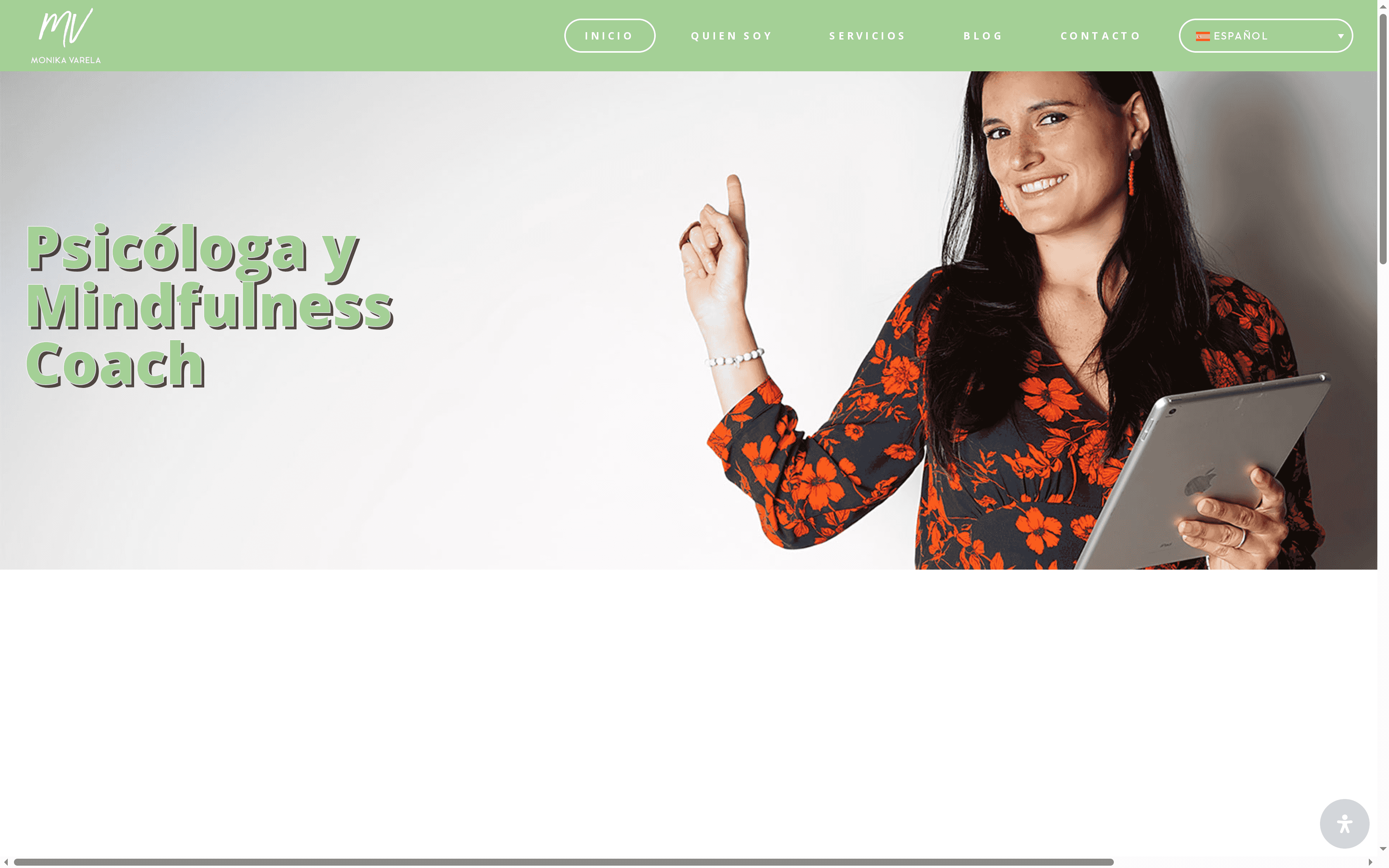
Take the next step to transform your mental wellness by visiting Monika Varela’s website. Explore expert insights and stay updated through her Noticias archivos – Mónika Varela. Ready to create lasting positive change? Discover accessible mindfulness tools and tailored workshops that fit your lifestyle and help you grow with compassion and consistency. Make your mindfulness checklist a living practice today by accessing trusted resources and professional guidance available at monikavarela.com.
Frequently Asked Questions
How can I start my mindfulness checklist?
Begin by incorporating daily mindful breathing sessions into your routine. Set aside 5 to 20 minutes each day to focus on your breath and cultivate awareness.
What intentions should I set for my mindfulness practice?
Choose clear and specific intentions that resonate with your personal values. For example, you might decide to practice patience or kindness throughout your day, updating your intentions each morning.
What types of mindful movements can I add to my checklist?
Include gentle movements such as yoga, walking meditation, or tai chi. Aim to practice these for at least 10 minutes daily to enhance your physical and mental awareness.
How can I practice non-judgmental self-awareness?
Dedicate time to observe your thoughts and feelings without criticism. Spend 5 minutes each day practicing meditation to become familiar with your inner landscape without engaging with your narratives.
What are some examples of mindful communication strategies?
Use active listening techniques and ‘I’ statements to express your thoughts clearly. In each interaction, aim to validate others’ experiences and maintain emotional neutrality to foster better connections.
How often should I reflect on and adjust my mindfulness checklist?
Schedule a weekly review to assess your mindfulness efforts and celebrate your progress. Spend about 15 minutes reflecting on what worked well and what might need adjustment to stay aligned with your goals.
Recommended
- What Are Mindfulness Workshops? Complete Guide 2024 – Mónika Varela
- Why Mindfulness Matters in 2025: Complete Guide – Mónika Varela
- Best 7 Mindfulness Tools for Professionals – Expert Comparison 2025 – Mónika Varela
- Why Join Mindfulness Workshops: The Definitive Guide – Mónika Varela
- Note-Taking Strategies Step by Step for Maximum Retention
- The Essential Guide to Content Marketing Checklist – Paul Baguley
- Building Healthy Habits Naturally: A Step-by-Step Guide – naturessoulshop





Aún no hay comentarios, ¡añada su voz abajo!